

One of the most common misconceptions about Auracast is that it requires a large expenditure and replacing existing electronic devices such as televisions and stereo systems.
We have had multiple conversations over the past year with people who have been concerned at having to invest in a new setup. This is understandable, as for years consumers have had to buy the products created by hearing aid manufacturers if they wanted to connect to televisions, telephones and mobile phones.
When someone has spent thousands on a hearing aid, this reaction is understandable even though there is some very clever technology in the devices to enable the connection.

However, Auracast changes things. It’s now possible to buy a wide range of Auracasters to suit your budget, and your needs.
While the newest smartphones and TVs come with native support, 2026 has seen an explosion of Auracasters and dongles that bring this technology to older hardware for a fraction of the price of a new device.
For users who aren’t ready to replace a perfectly good laptop or television, these low-cost solutions are the gateway to the broadcast revolution.
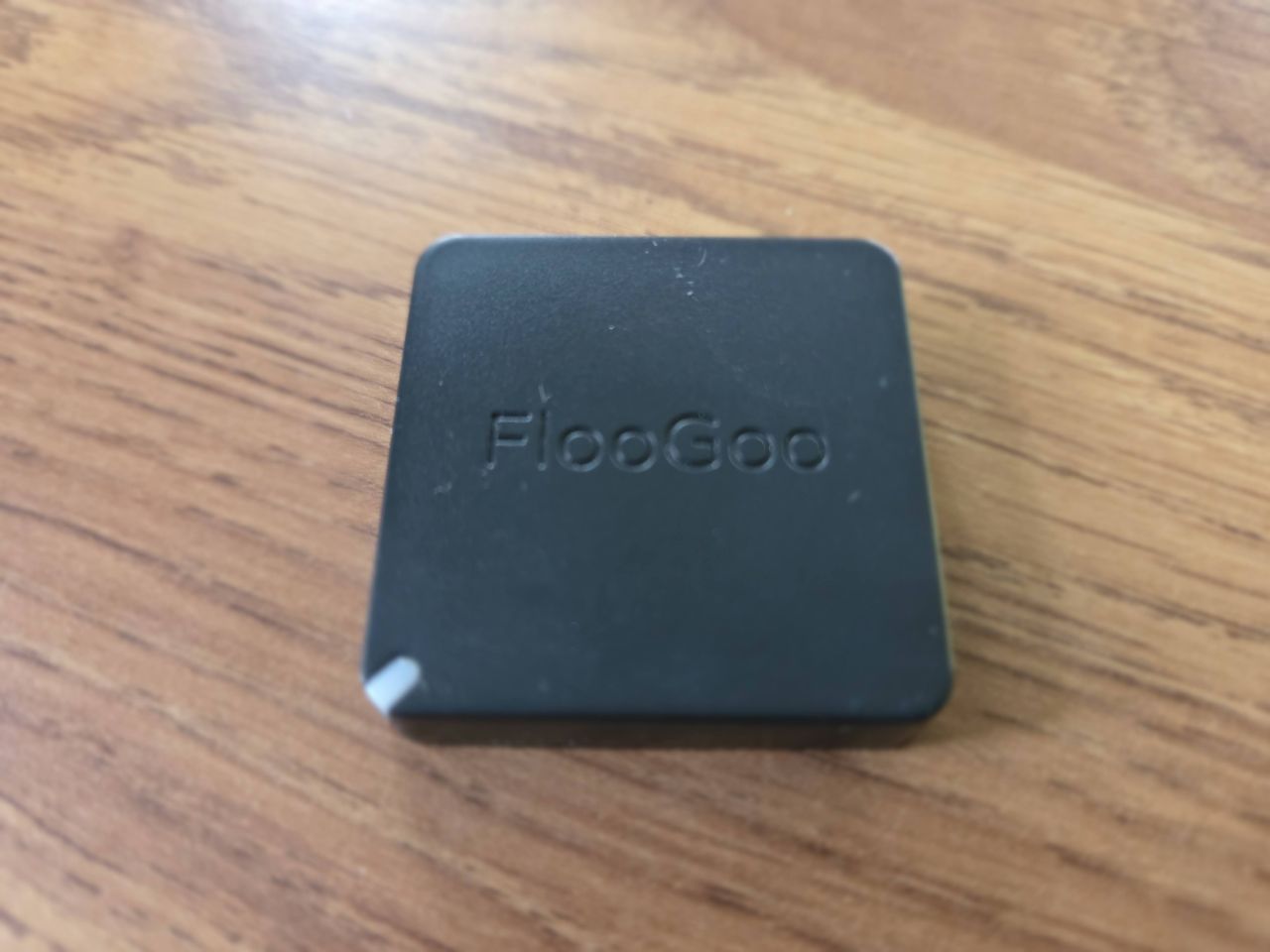
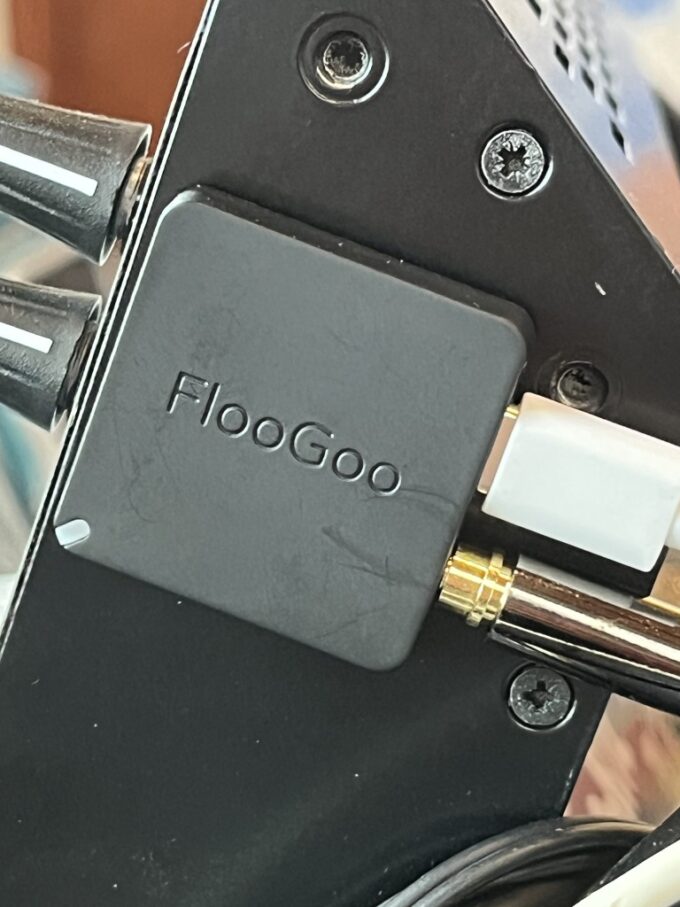
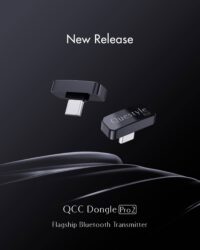
For computer users, the most popular entry point is the USB Auracast Dongle (such as the FlooGoo FMA120 or MoerLink). These small devices, often costing between £50 and £70, plug into any standard USB-A or USB-C port. They essentially act as a secondary, high-performance sound card that speaks LE Audio.
Once plugged in, your computer sees it as a standard audio output. You can then use a simple button on the dongle or a small software utility to Auracast your Zoom calls, YouTube videos, or Spotify playlists directly to your Auracast-enabled hearing aids or earbuds. This is a game-changer for remote workers who struggle with the lag and “cut-outs” of traditional Bluetooth.
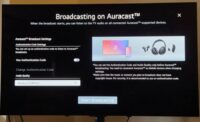
For home entertainment, TV Transmitters (like the HomeSpot, MoerDuo or TV hearMore have become the “Swiss Army Knife” of audio. These units typically connect to your TV’s optical (Toslink) or 3.5mm headphone jack … and can also be pressed into use with computers, hi-fi systems and even AV desks. We have tried some – and will continue to review devices as they come out.
Once connected, they broadcast the TV audio to anyone in the room with compatible receivers. This eliminates the need for expensive, brand-specific TV Streamers” that often cost £200 or more.
Because Auracast is an open standard, a single £50 transmitter can serve a household where one person uses ReSound hearing aids and another uses Sony earbuds. The low entry cost also means that it is possible to put transmitters into every television in a house. Handy if you have a TV set in the lounge, another in the kitchen and a third in the bedroom.
Finally, for those who don’t yet own Auracast-capable headphones, Portable Receivers are the most affordable bridge.
Devices like the FlooGoo FMA120 or MoerDuo Plus are small, battery-powered clips about the size of a postage stamp that receive an Auracast signal and output it through a standard 3.5mm jack. This allows you to “Auracast-enable” your favourite pair of high-quality wired headphones or even an older car stereo.
The MoerDuo Plus has a second string to its bow: it can act as a miniature loop, and when worn with a neckloop can be used by those with a Telecoil in their hearing aids.
These tools have made accessibility affordable, ensuring that the benefits of clean, broadcast audio aren’t locked behind a “premium” paywall.
Just a word of warning: hearing aids will pick up Auracasts at 24kHz, to preserve battery life. At the time of writing, only Oticon hearing aids can convert a 48kHz signal to work with its hearing aids. This means some gadgets, which only transmit at 48kHz won’t work with hearing aids. For more on this, click here.
For our list of stockists, suppliers and other Auracast-related items, click here.

Aurahear in your inbox!









Hi Phil, this is clear and to the point, thanks