

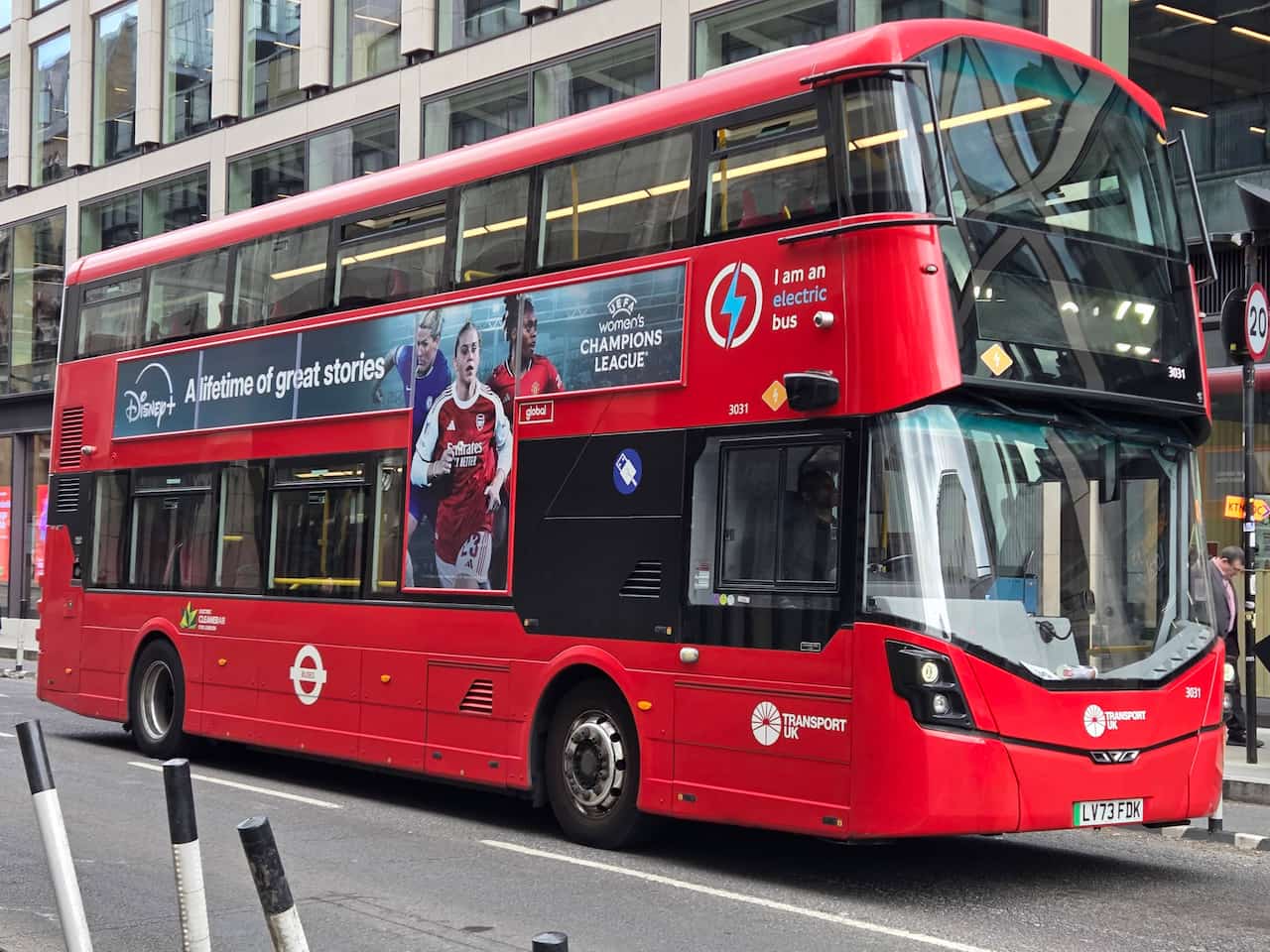
London’s buses are a true symbol of the capital city, and now they are to get a 21st-century makeover thanks to Auracast.
There are nearly 9,000 red double-decker buses on the streets, transporting around 1.8 billion passengers every year over 670 routes. Every day, they carry 6 million people on multiple journeys.
So clearly, they are a lifeline for many, but they are not as accessible as they could be. They might have audio announcements and iBus screens that show the next stop, but the buses are frequently crowded, the screens obscured, or passengers stand with their backs to it.
And unlike areas like Reading Buses, where routes are coloured coded, and buses wrapped in the same colour so it’s easy to tell which one is ‘yours’, London’s buses are all red. Unless you know where you are going and where you stop, navigating the system is incredibly difficult.
Admittedly, colour coding is difficult when you have so many routes to run, but there has to be a better solution than all buses being red and relying on passengers having local knowledge to get the right bus to the right destination from the right side of the street.
Ways in which Auracast can help with public transport
Auracast in public transport is a great solution for many reasons.
It can announce stops to anyone with Auracast-enabled headphones, hearing aids, earbuds, or Cochlear devices. Anyone can open their Auracast Assistant and tune in to the announcements. It could mean more details can be shared on the next stops – what possibilities for onward travel, landmarks and tourist destinations, for example.
And it can also open the door to live announcements, such as traffic delays or seating information – if there are spaces upstairs, for example.
It could even open up TfL for culture moments: its own radio station?
The bottom line is that Auracast on buses would be a massive step forward. As we have detailed before, some buses have Telecoils built in, but you have to sit in defined areas and the mechanics of the bus itself cause electrical interference – a buzzing – making the sound distorted. No such issue with Auracast, so this is a big step forward.
What is Transport for London doing about Auracast?
Auracast in railway stations is not new. An ongoing trial is taking place at Bristol Temple Meads, while Munich plans to install the technology in trains currently under construction and expected to enter service from 2028.
But buses? So far, little movement.
The brilliant journalist Liam O’Dell has been contacting transport companies about their Auracast plans, and Transport for London has confirmed it will test the Bluetooth LE Audio standard.
Mark Evers, TfL’s lead on customer insight, strategy and experience, told him: “We are planning a trial of Auracast on buses, which would allow service announcements to be broadcast directly to customers’ compatible headphones and hearing aids”.
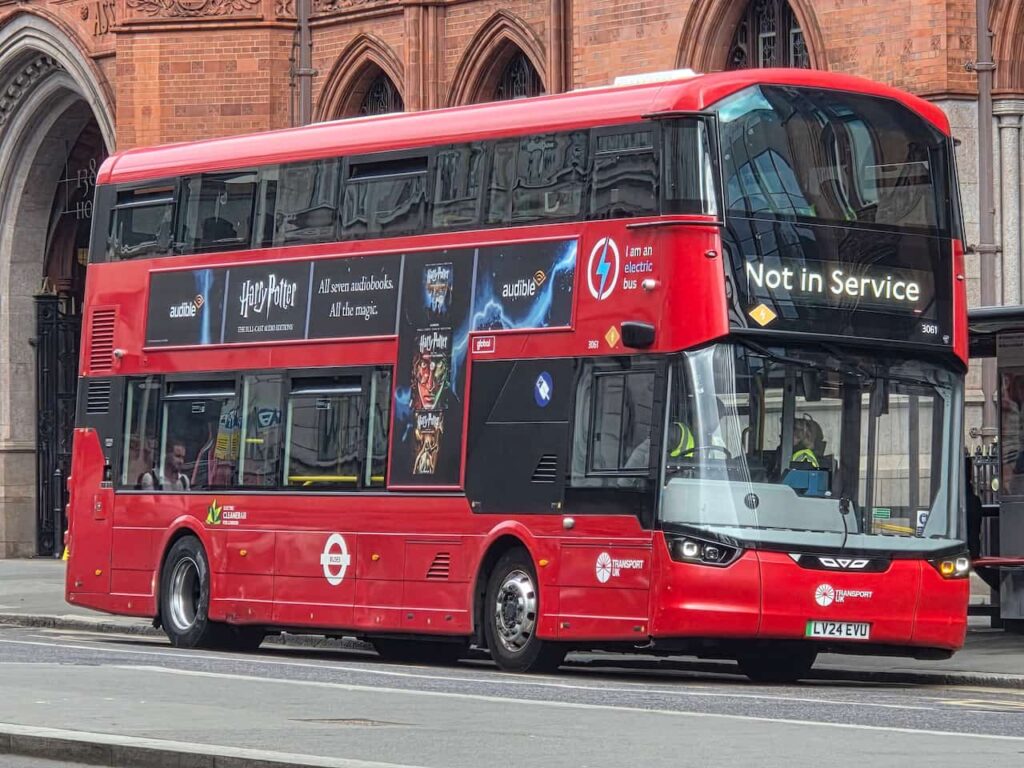
The results of this trial will determine whether there will be wider take-up across its network, including Underground services and overground trains. However, it is not yet known when this trial will launch, and which routes will be affected.
Liam’s blog post can be read here. https://liamodell.com/2026/04/29/transport-for-london-tfl-buses-auracast-bluetooth-deaf-accessibility/












Leave a comment