

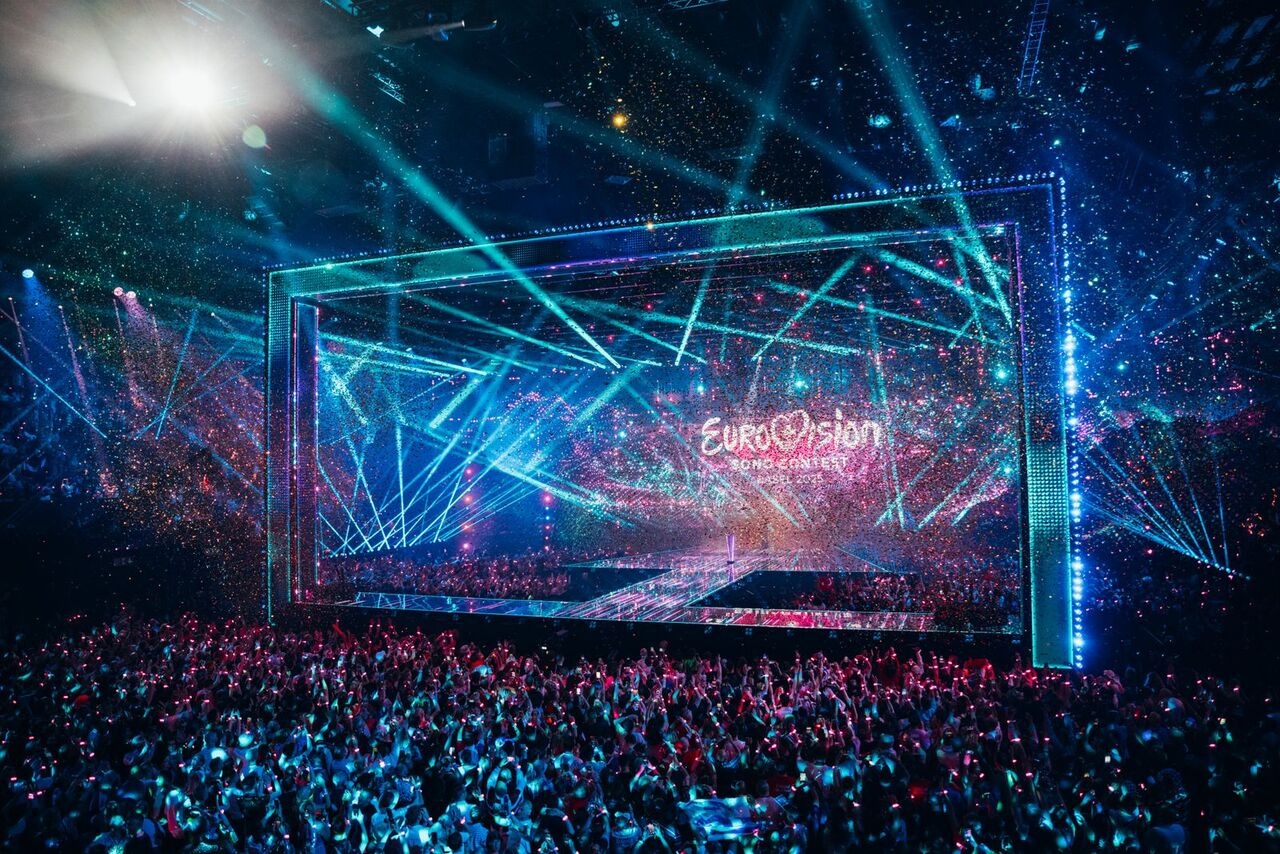
The Eurovision Song Contest 2026 final takes place in Vienna on Saturday, 16 May, and Auracast will be centre stage for those lucky enough to be in the arena.
This is the 70th contest, and will see the Wiener Stadhalle welcome 35 different countries to take part, including Bulgaria, Moldova and Romania. It will be hosted by Victoria Swarovski and Michael Ostrowski and take place on a stage shaped like a curved leaf.
The contest consists of three parts: two semi-finals – on Tuesday, 12 May, and Thursday, 14 May – and the finals. The Big Four countries – France, Germany, Italy and the United Kingdom – and Austria, as hosts, automatically qualify for the final, while the remaining countries will vie for the remaining 19 places.
The acts taking part have already been confirmed and can be seen in this video:
The most accessible Eurovision ever
The Eurovision Song Contest has always been about bringing people together through song. From its earliest days, when Cliff Richard was singing about Congratulations, and Sandie Shaw was a Puppet On A String, Europe enjoyed coming together to choose a winning entry.
Now, the Contest is bigger than ever, and Austrian broadcaster ORF and the city of Vienna say they are committed to making the 2026 Eurovision fully inclusive, regardless of the event people attend.
That includes International Sign Language interpretations of the songs, as well as audio description and subtitles.
To make music physically accessible to hearing-impaired attendees, vibration vests will be provided to Eurovision fans during the Live Shows. These allow users to feel sound through skin vibrations.
Additional on-site services for people with disabilities will be provided, including information service points, staff training on disability awareness and support, and online resources.
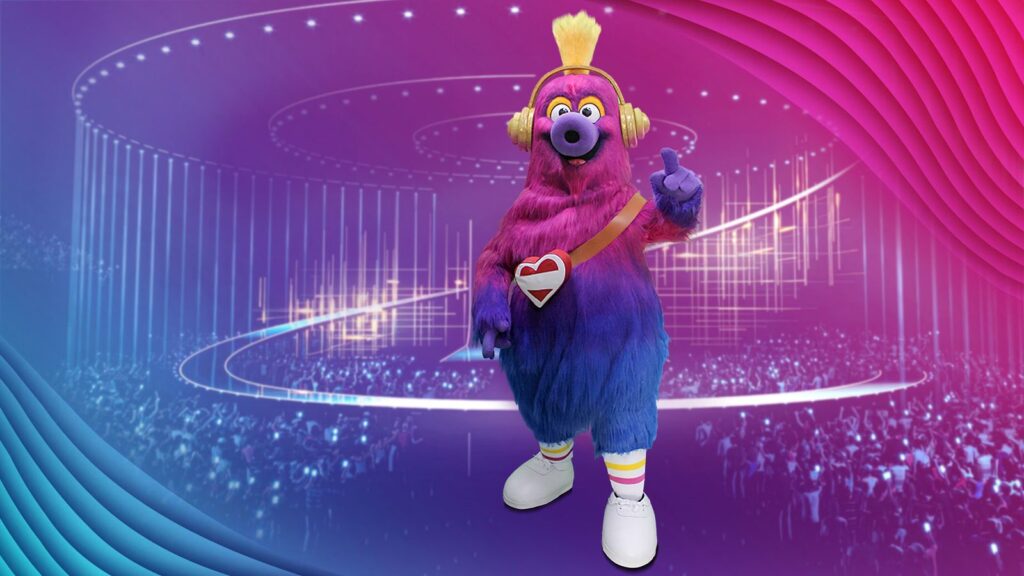
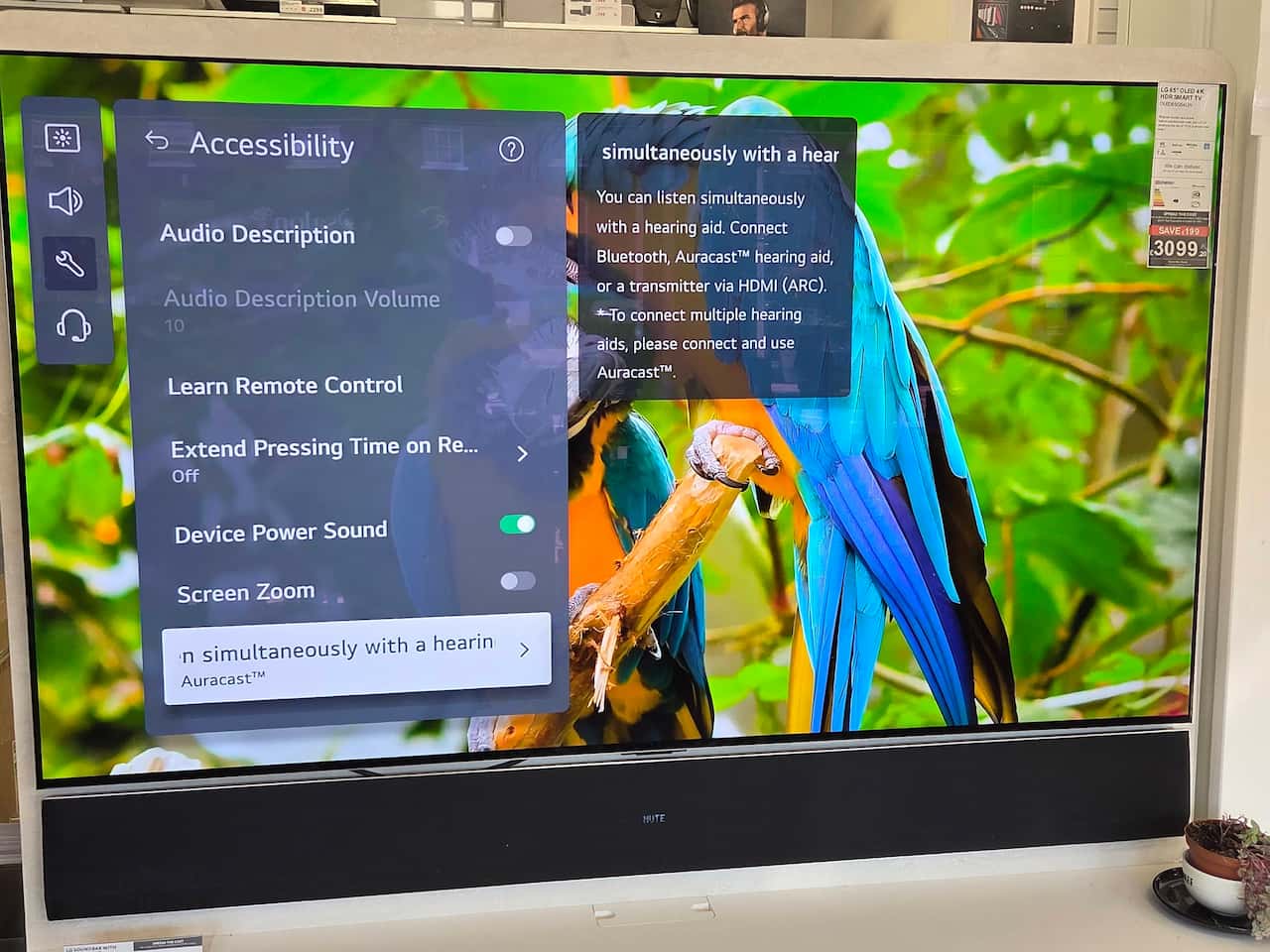
The Auracast system is to be provided by Opus Technologies. Delegates will be able to use the AuraGate system. Those without Auracast-enabled headphones, hearing aids or earbuds will be able to tap into its AuraSTRX system.
Auracast allows venues to offer multiple streams, so it is entirely possible that people will be able to hear simultaneous translations of what is happening on stage. That is helpful when not all participants speak English or French.
In a post on social media, Opus wrote: “We are proud to announce that our AuraSTRX and AuraGate solutions have been deployed at the Eurovision Song Contest 2026. An international event of this scale requires reliable and innovative technologies to deliver the best possible experience to millions of attendees.
“Powered by Auracast, our solutions help enhance on-site audio distribution and accessibility, creating a more immersive and inclusive experience.”
Announcing its determination to be a barrier-free experience for Eurovision fans, Vienna 2026 Executive Producer Michael Krön said: “We want to make the Eurovision Song Contest in Vienna accessible to everyone.
“This not only fulfils the public service mandate of ORF but also represents a commitment to what the Eurovision Song Contest has stood for throughout the decades: diversity, inclusion, and European cohesion.”









Leave a comment