

A new research project aims to help the uptake of Auracast in theatres.
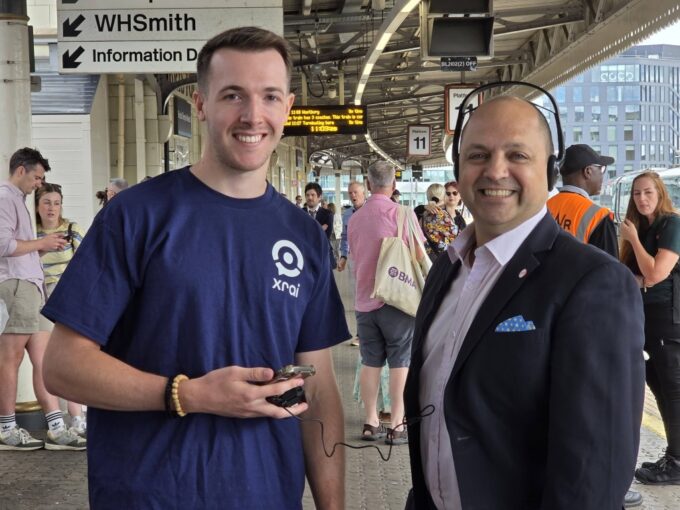
The RNID – the Royal National Institute for the Deaf – is a UK-based charity that helps people who are deaf, have hearing loss or tinnitus. They have been exploring the benefits of the Bluetooth LE Audio technology, including inviting people to demonstration events at St Paul’s Cathedral and Bristol Temple Meads railway station.
Now they are investigating a best practice for installing Auracast in theatres and want to work with theatre professionals to find out what it could be.

This is probably one of the most common everyday use cases the public will encounter: venues that want to offer an assistive listening solution can install a professional-grade system compatible with Auracast-enabled devices, hearing aids with Telecoils, and wired headphones. This ensures that virtually everyone will have a way to access the Auracast.
But just as everyone’s hearing loss is different, so too is every venue. Some will date back over a hundred years – London’s Drury Lane has hosted entertainment since 1663, with its current incarnation nearly 200 years old; the Teatro Olimpico in Vicenza, Italy, is even older, dating back to between 1580 and 1585. Some venues are much newer. They will also be different shapes and sizes, from small studio theatres to larger venues: the biggest, according to the Guinness World Records, is The Great Auditorium inside The Great Hall of the People in Beijing, China. This venue can hold 10,000 people.
The RNID’s study aims to find out what Auracast in Theatres is like when done properly – in terms of look, sound, and feel.
It is calling for theatre professionals to help with its research – both those who have already installed Auracast, and those who haven’t even heard of it just yet.
The way in which Auracast is deployed in a venue will be determined by hundreds of individual factors, including technical specifications, installation and configuration options, mix decisions, automation and system monitoring, as well as online information, venue signage and staff training.
Those who have already installed Auracast can share their experiences to help others understand potential issues and how to overcome them.
The RNID is also keen to find theatre professionals at the early stages of their Auracast journey and is interested in testing some new resources.
For more details, and to sign up, log on to: https://lnkd.in/erdV9a82
The RNID also runs a Research Panel for members of the public who want to share their lived experience of hearing loss to help with this research.
For more details, log on to: https://lnkd.in/eNdBA4xc

Aurahear in your inbox!












Leave a comment