

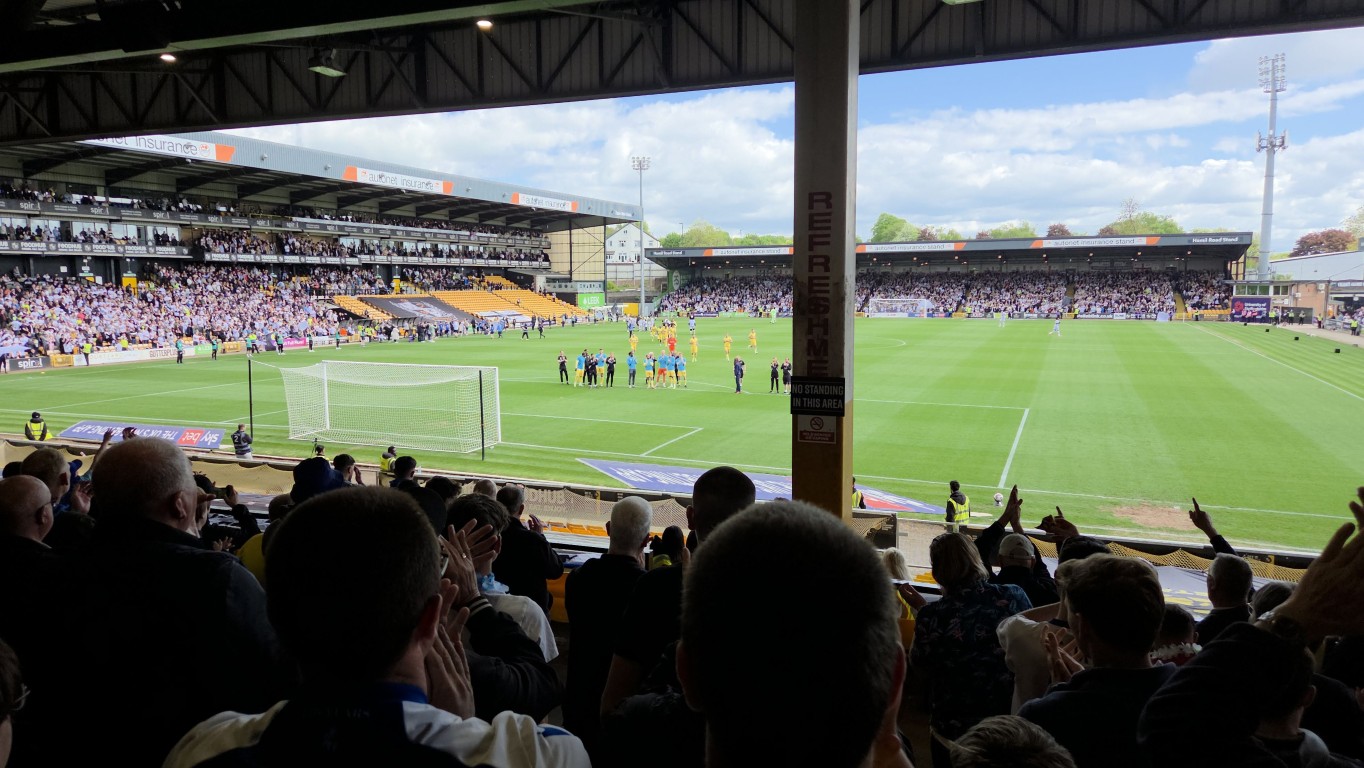
English football fans with World Cup withdrawal symptoms are anxiously awaiting Saturday, 15 August, when the new English Football League season starts. First, there are some League Cup ties to play this weekend. But are stadiums accessible for those with hearing issues? Not really.
Aurahear.com has been investigating what clubs are required to do for deaf and hard-of-hearing fans, and what some are already doing. Full disclosure: it comes from experience of following League Two football team Gillingham and visiting stadiums of all shapes and sizes over the years.
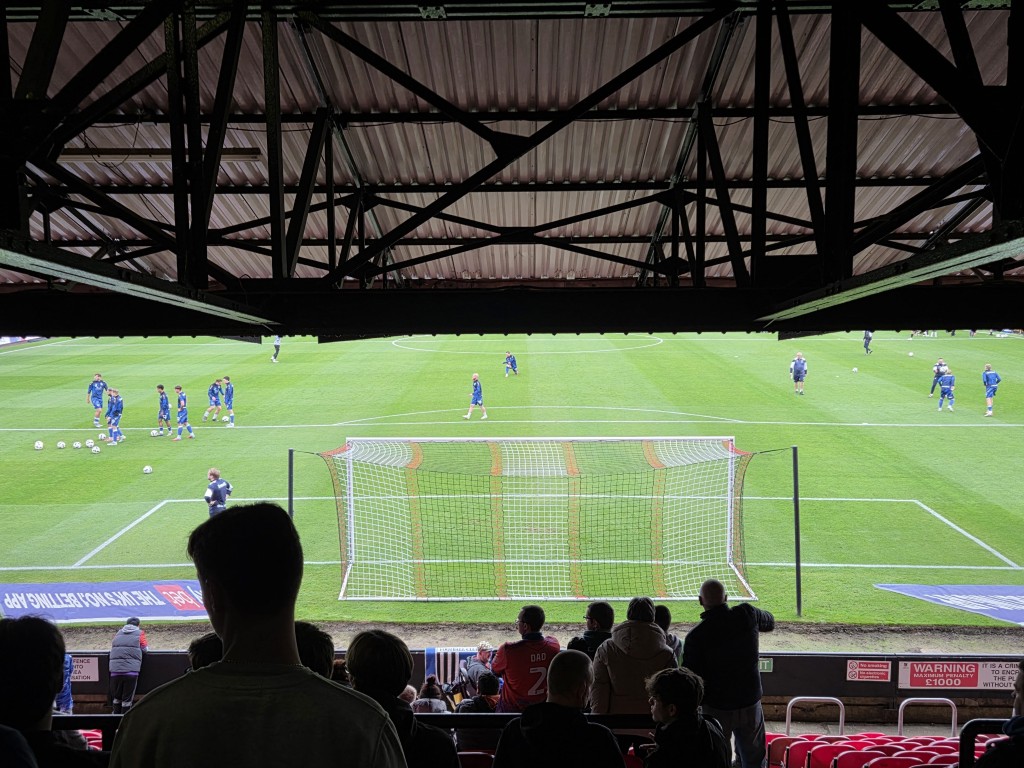
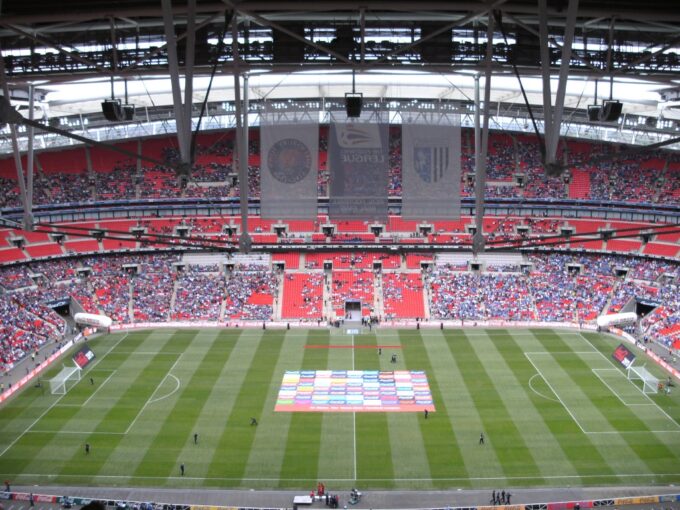
Every weekend, around 80,000 fans pack stadiums across England to watch their favourite team bid for glory. It’s fair to say that the stadiums in which they gather come in all shapes and sizes, some with history, and some so new they are still being bedded in.

Some stadiums are state-of-the-art, while others boost temporary stands that have been temporary for more than 20 years. Some are all-seater; others still have historic terraces where generations have gathered. While in some stadiums, it won’t matter if it rains as fans are undercover, in others you’ll need your strongest waterproofs.
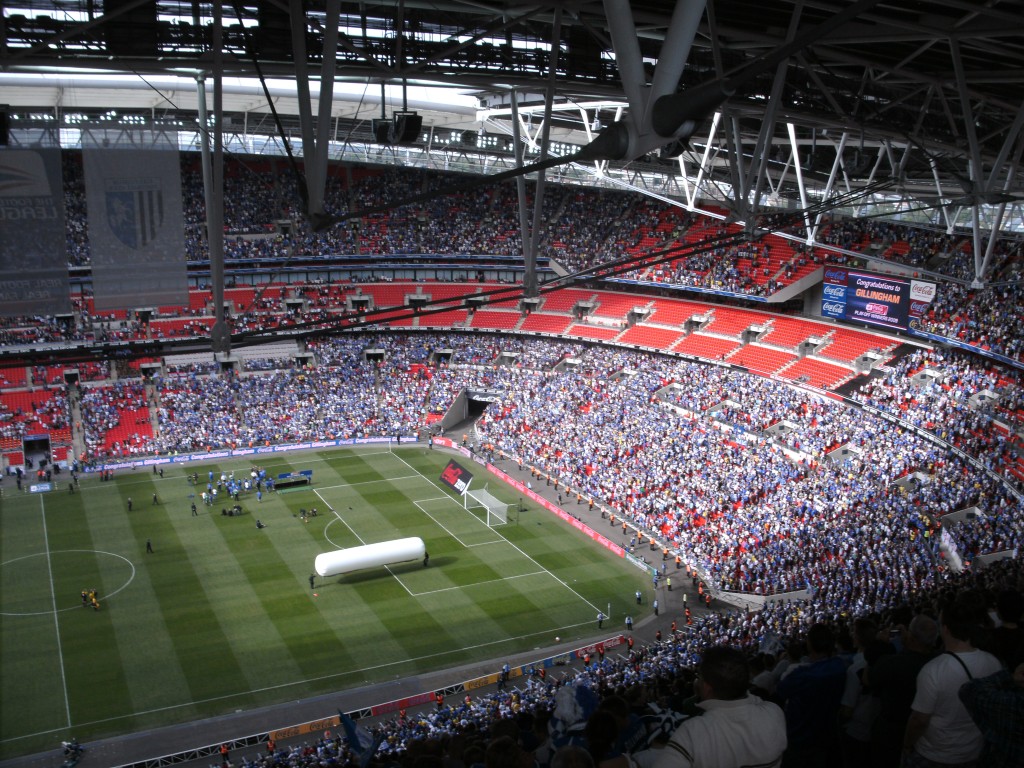
And some venues offer panoramic views whether you’re closer to the sky than the ground, while others have pillars and blind spots blocking parts of the action.
They have their own quirks, and passionate fans who want to see their team go top of the league. But when it comes to accessibility – especially for fans with hearing impairments, or who are deaf – many venues are languishing at the bottom of the table.
This is despite myriad accessibility guidelines published over the years.
For this article, we are focusing on assistive listening solutions. It is important to acknowledge that there are other groups of supporters who may need additional help to enjoy matchdays, and guidelines are made available from the same links provided below. A second article in this series will look at some of the solutions in use.
European body UEFA notes: “Impaired hearing is by far the most prevalent single disability, and this is often overlooked when designing facilities and providing services”. We believe that Auracast provides an easy win to get around this.
What is the aim of boosting accessibility in football stadia?
Removing barriers is the main aim of boosting accessibility and making the matchday experience the best it can be for everyone. UEFA wants to see segregation removed, noting that it “is an unimaginative and non-inclusive solution to existing barriers”. That’s no small undertaking when an estimated 16% of the world’s population has a disability of some kind – 1.3 billion people.
In his introduction to its latest accessibility guide, Michele Uva, UEFA director of social and environmental sustainability, notes: “By ensuring that the football environment and its infrastructure are accessible to everyone who wants to take part, we are welcoming ALL.”
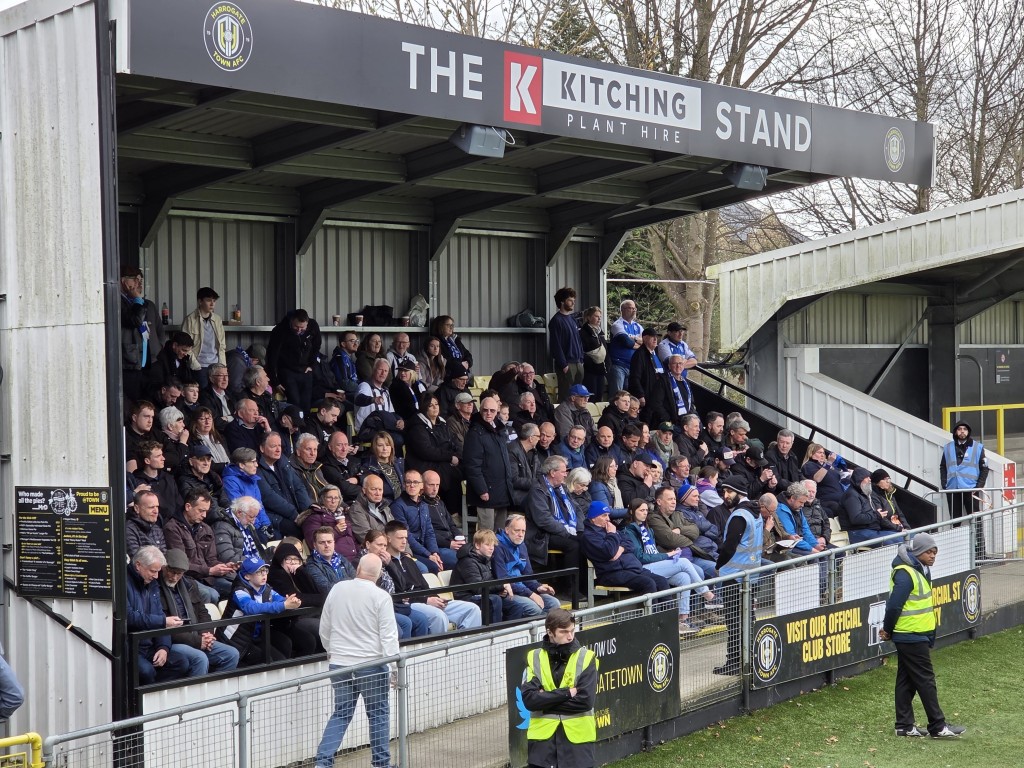
In the same document, Olivier Jarosz, Chief Executive Officer of AccessibAll (formerly CAFE (Centre for Access to Football in Europe)), said the non-profit organisation “understands the positive impact that attending a live match can have on a disabled person’s self-confidence, empowerment and sense of inclusion”, and that it “has been a driving force in ensuring that disabled supporters and fans across Europe can attend and enjoy football matches. Its aim is to facilitate a seamless and inclusive experience for everyone”.
The group says it has appraised more than 100 stadia across Europe, advocated for equality and inclusion and worked with key stakeholders and clubs to create a collaborative environment.
Clubs, UEFA notes, should have a Disability Access Officer to support the provision of inclusive, accessible facilities and services. They will be a dedicated point of contact for home and away fans, especially on matchdays, to ensure that everyone visiting will be able to have the best possible experience. If the DAO role is paired with the supporter liaison officer role, they must have a thorough knowledge of disability legislation and accessible building regulations.
There is a DAO portal for those who have this role: https://www.accessiball.com/Pages/Category/dao-portal/
The onus on clubs to provide assistive listening solutions
FIFA says that “all stadiums should provide facilities for deaf and hard-of-hearing people”, pointing out that hearing aids work best in “close conversational settings, where there is little background noise and where the user is close to the source of sound”.
The organisation called on clubs to use Assistive Listening Systems, noting that without it “the hearing aid alone in a busy setting amplifies all sounds, including background noise, which may lead to stressful and distressing experiences for its user … assistive listening systems should be provided to ensure an accessible environment”.
European body UEFA has a Football Sustainability Strategy 2030, and as part of this has published a PDF outlining its accessibility requirements to clubs. This has been in place since at least 2013, with the most recent published in 2023, and takes into account its long-term partnership with AccessibAll.
To help achieve its aims, customer service and matchday staff at all clubs should receive suitable training to support deaf and hard-of-hearing spectators. Those who take telephone queries need training in the use of relay systems.
When it comes to the difficult-to-hear PA systems, UEFA says: “Stadiums need to ensure that their public address systems are designed to cater for hard of hearing and deaf spectators”. Their immediate solution is to ensure there are as many speakers as possible so hard-of-hearing spectators can be closer to them, increasing clarity.
But these speakers are outdoors and in noisy environments… a football stadium with fans in full voice is not an exam hall where silence is golden. In this situation, assistive listening solutions can come into their own.
UEFA tells clubs: “new and improved technologies are continually being developed. It is therefore important to be familiar with the latest equipment available”, and specifically notes that such a system can be beneficial within stadium bowls (where the fans sit or stand), as well as in ticket offices, kiosks and in meeting rooms including media facilities. The document was written before Auracast transmitters were available, so it’s great that this looks to the future, while also acknowledging what exists today.
Looking at other assistive listening solutions, they note: Infrared systems are “inappropriate for stadium bowls as their efficiency can be affected by direct sunlight”, while an induction loop system is “strongly advised” and “regarded as the most suitable solution for stadium bowls and public-facing points”. In all cases, clubs should have appropriate signage detailing such systems being available: “large and visible among crowds”.
There is also a call for real-time captioning and, where possible, sign language on all main screens and scoreboards throughout the stadium. Few lower league clubs have video walls, with some only offering basic scoreboards, so not all can follow this advice.
But clubs already provide assistive listening solutions … audio descriptive commentaries
Many clubs provide audio descriptive commentaries for visually impaired fans, lending them radio headsets. Some clubs request that they are booked up to a week ahead of matchday, meaning a last-minute decision to attend the game could result in disappointment should the available systems be fully booked.
UEFA notes that in some stadiums the provision is limited to select seats, much as in some theatres a Telecoil loop is only available in a special penned area. In this case, they note: “it is not inclusive as it does not allow disabled spectators to choose where they sit or with whom. It also limits the number of listeners to the number of designated seats”.
Another limitation is the method of delivery. If a commentary is over WiFi, it is possible that the venue may not have enough capacity due to the number of people attempting to log on at the same time. “It is essential that the stadium’s WiFi or mobile network supports rapid delivery of the commentary, since any delay is likely to mean that listeners will miss key moments of the match,” UEFA notes.
Auracast operates on Bluetooth and is a separate connection, meaning it does not rely on local Wi-Fi bandwidth or cellular network capacity. Because Auracast functions as a one-to-many broadcast mechanism over Bluetooth LE Audio, an unlimited number of nearby receivers can tune into the audio stream simultaneously without congesting the network or introducing playback latency.
What is the situation in the UK?
The UK advocacy group Level Playing Field details minimum access standards for stadia on its website. Some of this information is more than 20 years old. This means it refers to the Disability Discrimination Act, which has now been superseded by the Equality Act 2010.
The information from the Premier League, which was published in 2009, states: “Induction loops and text phones should be installed in ticket offices and at other points of sale” and makes no reference to the stadium bowl itself. Similarly, the Football League (which covers the Championship and Leagues One and Two) says clubs need at least one induction loop and textphone in ticket offices and kiosks. This guidance was published in 2010.
Both the Premier League and the EFL don’t appear to have dedicated sections on their websites showing the most up-to-date guidelines.
Level Playing Field released its own guidelines for clubs, noting that all clubs should have a disability policy that includes deaf supporters and is publicly accessible, along with an annual access strategy or business plan for improvements. On loops, it again sticks to the suggestion that the ticket office and kiosks are enough, while hospitality areas should be considered. In all cases, the equipment should be tested regularly and staff given regular refresher courses in their use.
Like UEFA, they do urge clubs to “consider new technologies” to allow spectators to sit anywhere in the stadium.
Auracast is the new technology to consider
We have written before about how Auracast can benefit stadiums. Our piece from September last year, Why Auracast is the victory desperately needed, looked at an installation of the technology in Stadium Taranaki’s TSB Stand in New Zealand.
As someone who is deaf, every new stadium brings with it a new set of anxieties.
Quite simply, the question I have is “Will I hear?”
When it comes to those stadium announcements – be it team line-ups, safety instructions, man of the match, or goal updates – the sound system is just not up to it. Crackly speakers are usually positioned high above the stands, and they struggle to give fans clear audio, leaving many in the dark.
As UEFA notes, installing infrared won’t work in direct sunlight. FM systems can be tuned into by anyone who knows the frequency, while installing a loop in a stadium that can seat anywhere between 8,000 and 80,000 people means running weatherproof wires everywhere, making it impractical.
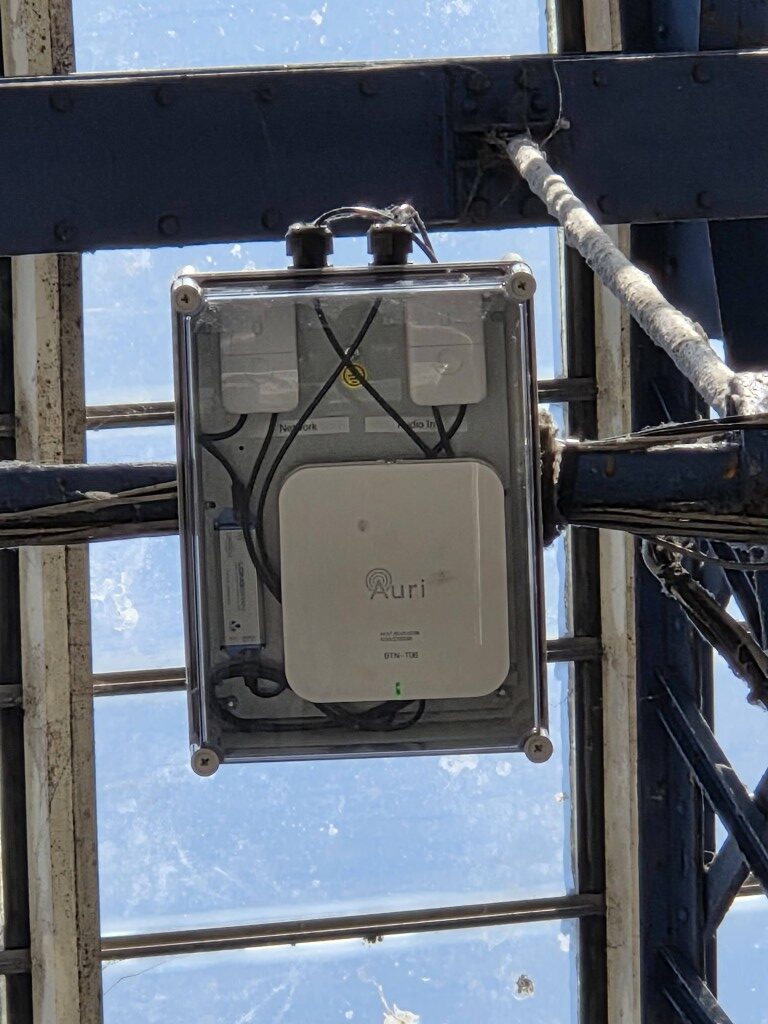
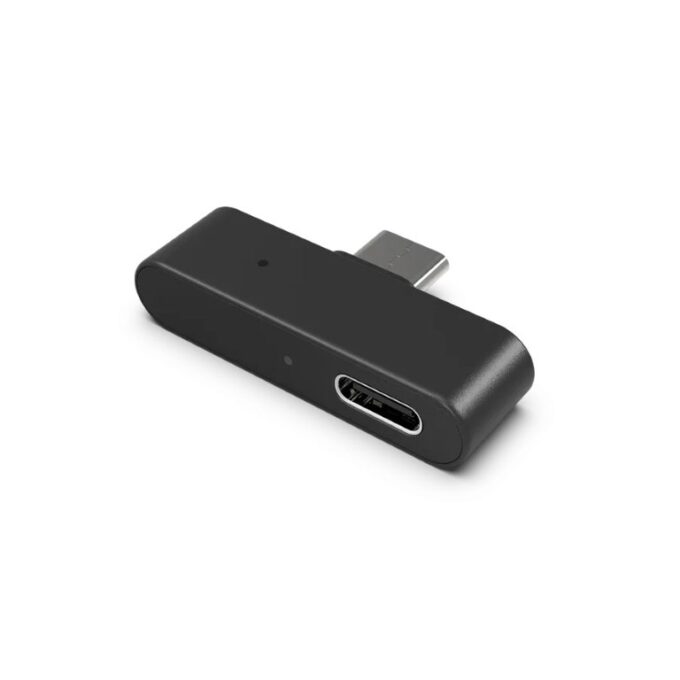
Auracast has an advantage in that it is wireless, it’s portable, and it can be installed in outdoor venues – even with the great British weather. The transmitters are put into weatherproof boxes, so even if the rain is torrential, the audio will still work.
It is possible to offer multiple streams: home and away commentaries, plus home and away audio descriptions, for example, and fans can sit anywhere in the stadium – no blind spots. It ends the segregation that penned areas cause.
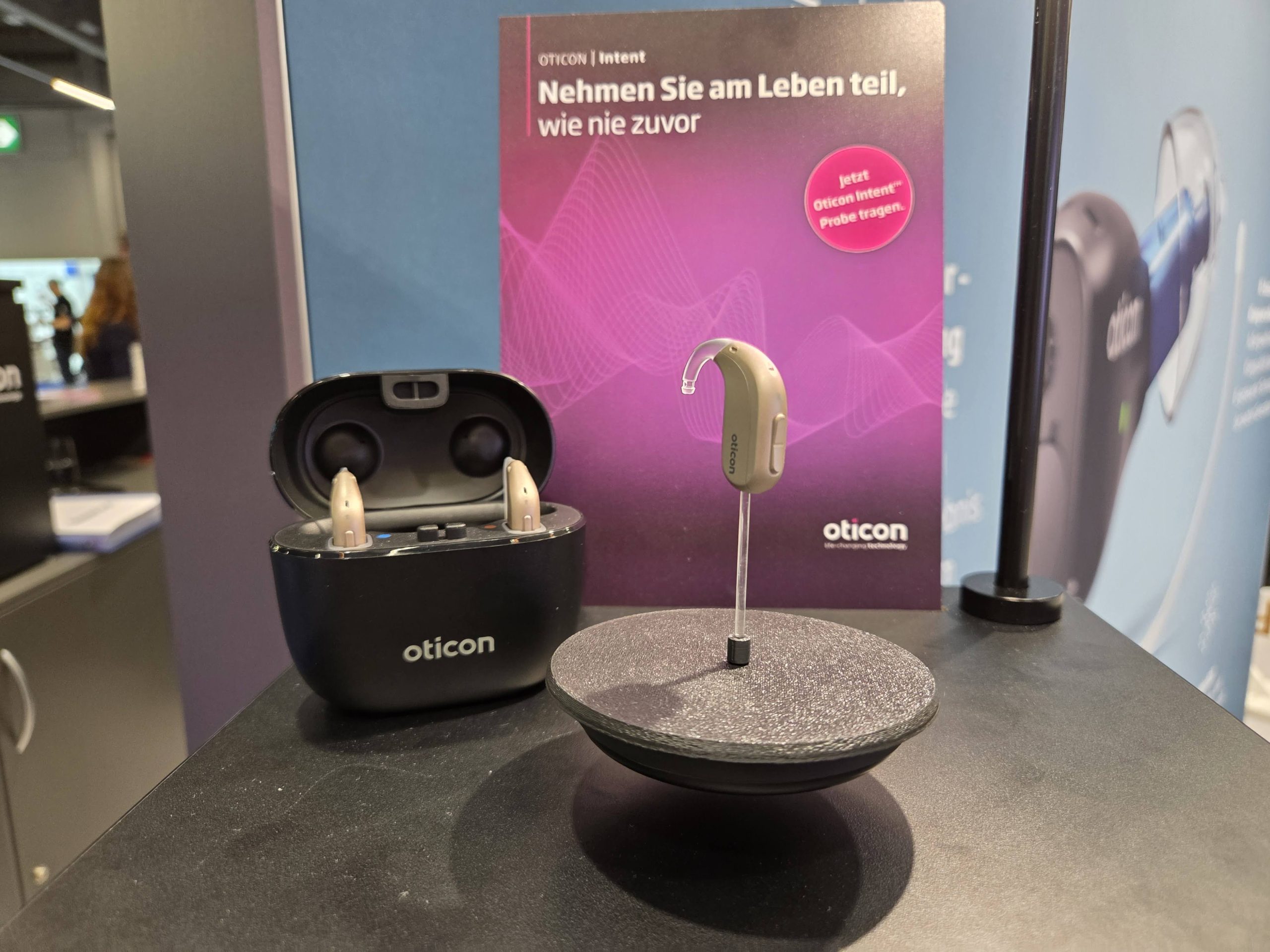
People can bring their own devices, rather than having to borrow receiver units, and if they do, there is no need to book ahead to reserve any equipment. Being able to use their own devices is better for many as they are using items they are already familiar with and happy to use.
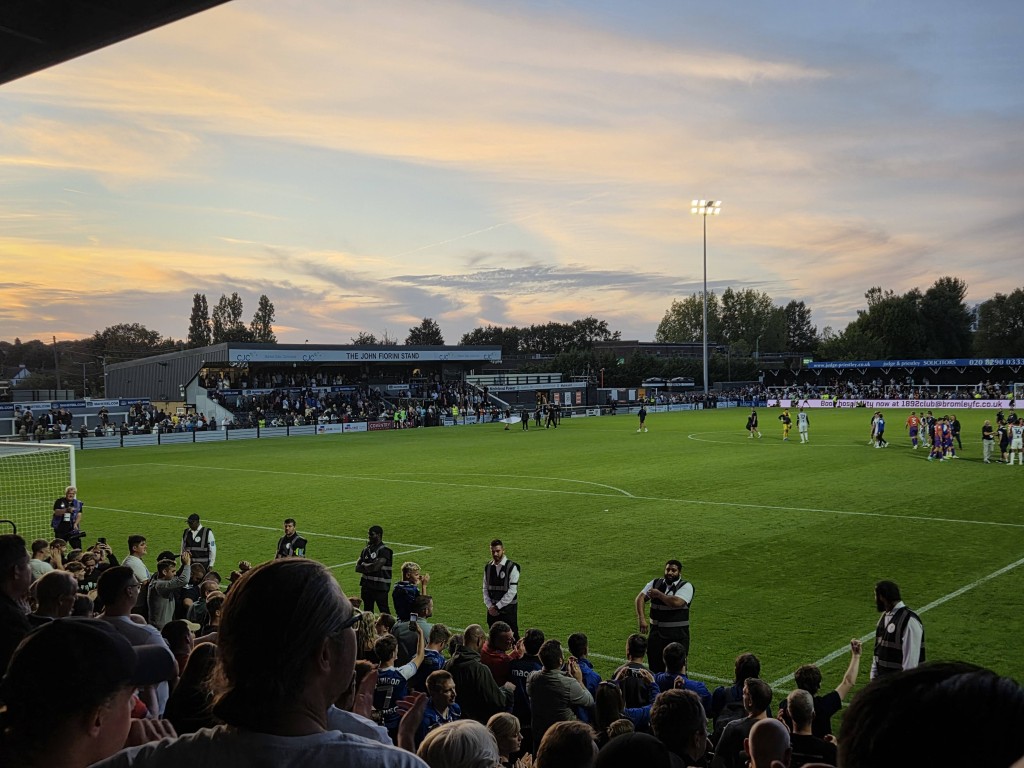
While some may pine for loop installations, the bottom line is it’s impractical to wire up a whole stadium. So few clubs offer a Telecoil that we are already at ground zero when it comes to assistive listening installations. Given that Auracast allows people with Telecoiled-enabled listening devices to borrow receiver units from clubs, there is compatibility with existing solutions.
We’re aware this is a long piece, looking at specific advice from different levels of football’s governing bodies. As such, in a separate article, we’ll be looking at what some clubs are already providing when it comes to accessibility for people who need help to hear.
Read the second article in the series here.

Aurahear in your inbox!









Leave a comment