

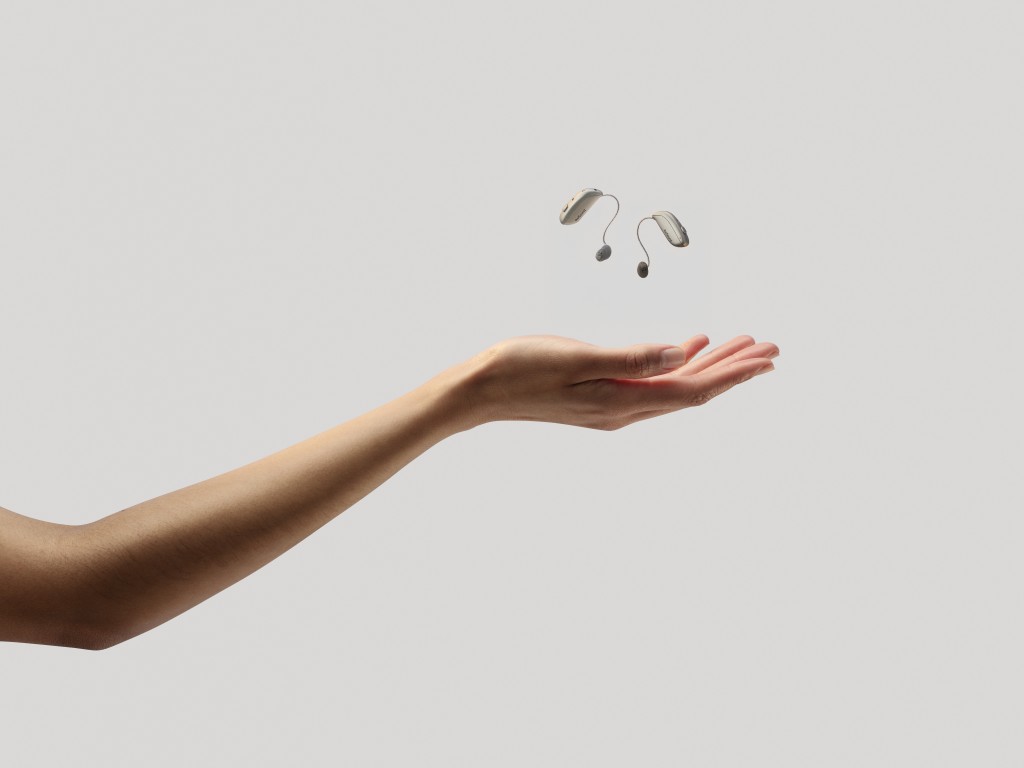
GN is preparing to release an all-new hearing aid, the ReSound Sensia, which promises a fusion of three technologies to create Intelligent All-Around, making it easier for people to hear the speech they want to focus on. Oh, and it includes Auracast.
The hearing is the world’s smallest AI hearing aid, and research shows it delivers clarity in noisy and quiet environments and steps in automatically so people can hear what they want to hear, no matter the environment.
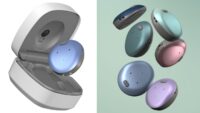
The ReSound Sensia launches in the US, Canada, Germany, and Austria later this month, with other countries to follow. It will be available in a range of styles including microRIE (Receiver-in-Ear), RIE (Receiver-in-Ear) styles with ZincAir 312 and 13 batteries, non-wireless CIC (Completely-in-Canal) custom-made style, wireless ITC (In-the-Canal) custom-made style, and rechargeable ITC (In-the-Canal) and ITE (In-the-Ear) custom-made styles.

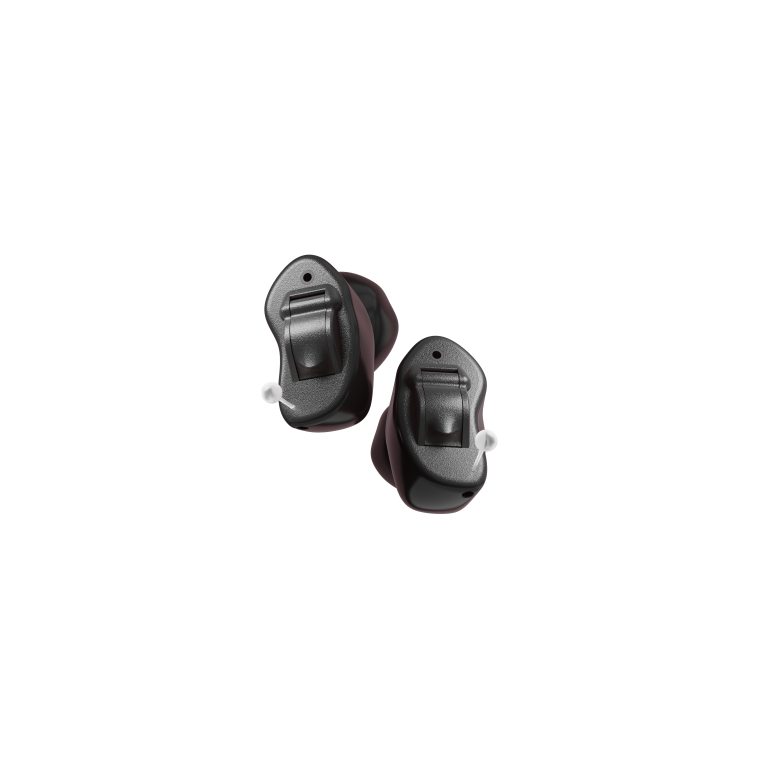
It builds on the company’s work with the ReSound Vivia, and features a new AI platform, Intelligent All-Around. For this, GN says the ReSound Sensia combines the world’s most accurate environmental classifier, an advanced four-microphone directional beamformer and Deep Neural Network (DNN) noise reduction.
GN says that at the heart of the Intelligent All-Around is AcoustIQ, which can classify the sound environment in real time, with 88% greater accuracy in classification and feature engagement than other hearing aids.
Research by GN has found that 91% of hearing aid users found annoying sounds making it hard for them to hear in noisy environments … with the most common being other conversations blending in to the one they were having. While hearing aids can increase audibility of desired sounds, they also do the same for undesired ones. Directional microphones can help, and the ReSound Sensia takes a new approach.
GN notes that training a a deep neural network (DNN) to segregate speech from background noise gives good results: “once the algorithm has gathered enough information, it can make its own decisions, without the need for explicit instructions or manual input from a human writing or operating the algorithm” notes the research.
The result helps the listener in challenging situations.

Peter Justesen, President of GN’s Hearing division, said: “Hearing aids that use DNN noise reduction can suppress background noise, but most do so without reference to what the listener actually wants to hear.
“In practice, this means the loudest voice in the environment is amplified, even though it is often not the one the user is trying to follow. ReSound Sensia highlights the speech people want to focus on – automatically, accurately, proven. This is made possible with a new AI platform in combination with a trio of leading technologies.”
To ensure the ReSound Sensia claims stack up, GN approached independent researchers at Hörzentrum Oldenburg to test the hearing aids and its Intelligent All-Around system. This, they say, works: the four-microphone beamforming technology that allows users to focus on what they want to hear by simply facing the speech source, and the new DNN denoising approach automatically helps lift conversations. This means it can deliver the best audibility of the intended speaker rather than hearing the loudest speech from anywhere in the environment.
Laurel Christensen PhD, Chief Audiology Officer at GN, is looking forward to the hearing aids being put into use across the world.
“We’ve taken a user-centred approach with ReSound Sensia, building in multiple technical innovations that are orchestrated by AcoustIQ, which accurately classifies the listening environment and activates each feature when the user needs it,” she said.
“ReSound Sensia can be trusted to engage the features that best improve hearing in noise when they are needed while not making the decision of what to hear for the listener. For HCPs (hearing care professionals), this automatic engagement translates into practice outcomes as performance in difficult environments no longer depends on the patient remembering to change programmes.”
All-day battery life
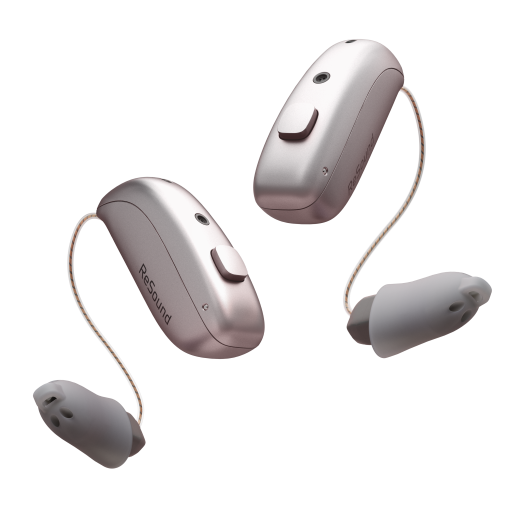
Those choosing the rechargeable versions of the ReSound Sensia microRIE and ITC/ITE styles are promised 24 hours of battery life, even with the DNN feature working automatically in the background. This means that patients can benefit from advanced hearing-in-noise support without compromising all-day performance.
The RIE version can take ZincAir 312 and 13-sized batteries.
Also available will be non-wireless CIC (Completely-in-Canal) custom-made style, wireless ITC (In-the-Canal) custom-made style, and rechargeable ITC (In-the-Canal) and ITE (In-the-Ear) custom-made styles.
ReSound Sensia is also for Cochlear…
GN says that in addition to the ReSound Sensia launch as a standalone hearing aid, it is introducing the ReSound Sensia Bimodal and ReSound Enzo IA Bimodal, designed to work with Cochlear Nucleus sound processors to support integrated performance, reliable connectivity and a seamless bimodal hearing experience.
This latest step in GN’s collaboration with Cochlear through the Smart Hearing Alliance reflects the shared dedication to the journey and commitment to delivering state-of-the-art bimodal solutions.

And there are updates to the fitting software
GN is updating its ReSound Smart Fit software to version 2.4. Used by audiologists when fitting hearing aids to patients, this includes some updates that it says will simplify consultations and allow more time to be spent with patients.
The interface has been simplified, making it easier to get to frequently used functions, while also featuring the proprietary Audiogram+ alongside the gold-standard NAL-NL3 prescriptive framework for more personalised, data-driven fittings.
For more details
The ReSound Sensia family goes on sale in the US, Germany and Austria from Thursday, 20 August. The worldwide rollout will follow.
For more details, log on to: www.gnhearing.com/en/products/hearing-aids/sensia

Aurahear in your inbox!










Leave a comment