

Earlier this year, we attended the launch of Auracast at two gates in Frankfurt Airport. The trial has been designed to make announcements easier to hear in busy, noisy, crowded spaces. The same technology could transform air travel too.
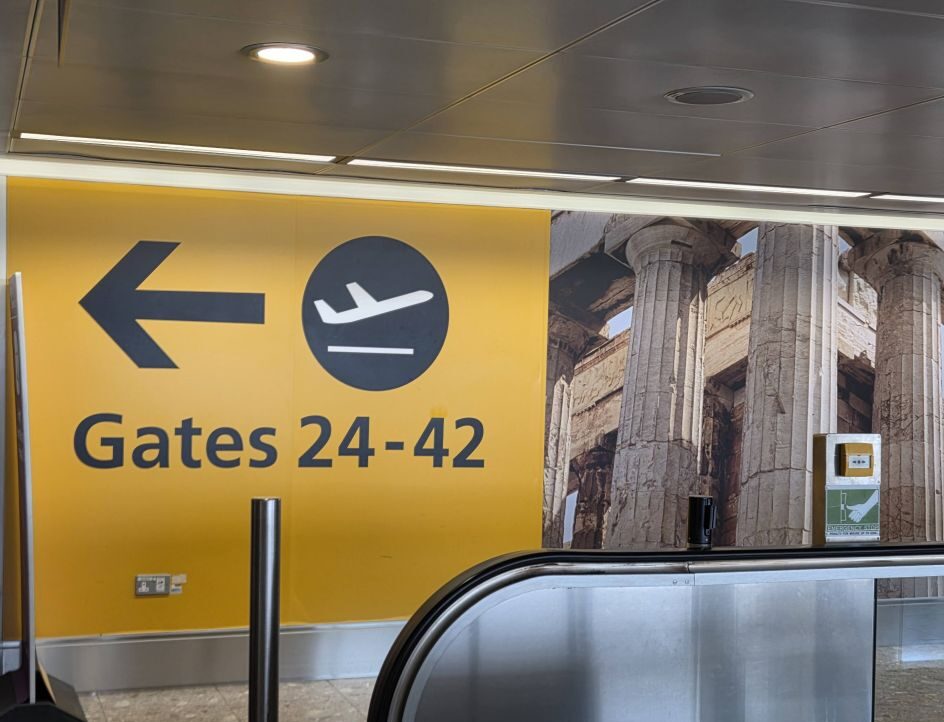
We recently travelled from London Heathrow to Seoul’s Incheon Airport to attend the World Congress of Audiology, and the journey outlined why we need Auracast technology in airports.
It is possible for people with additional needs, including hearing loss and deafness, to register with the airline before travelling so that extra support can be provided. Of the three flights this has been requested for so far, only one has actually translated to tangible help – and that was on the flight itself.

For someone who has hearing loss, how much support I need is an interesting question. After all, most will be able to read announcements on screens and see people are queuing to board the plane.
As discussed with the Frankfurt Airport trial, Auracast removes the uncertainty.
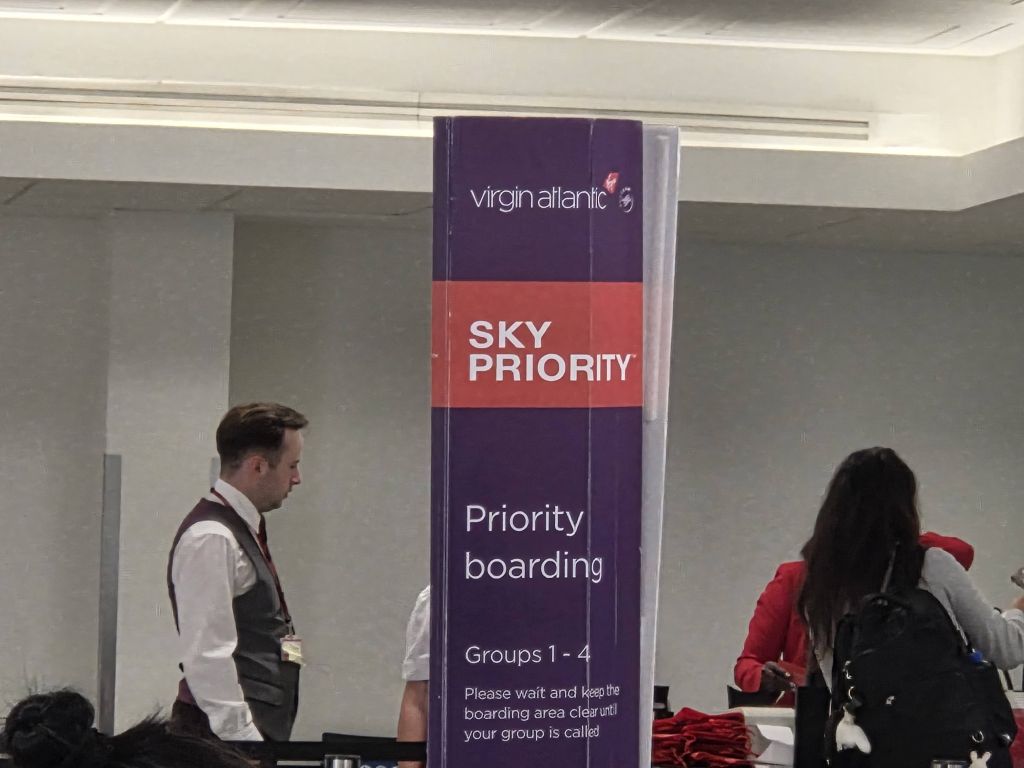
Being able to hear gate announcements makes a massive difference, with Bluetooth LE Audio providing clarity and the ability to hear in different languages.
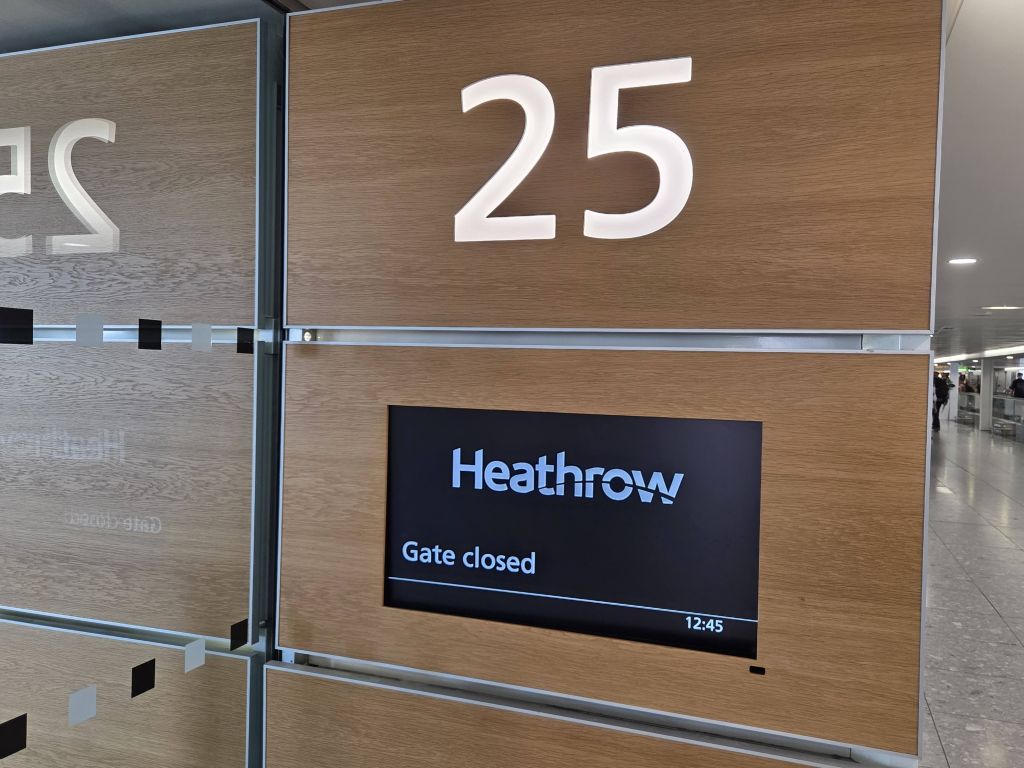
Contrast that to the gate used at Heathrow’s Terminal 3, which was a dismal, miserable experience. Aside from a vending machine and seats, there was precious little else going on. A few drab posters on blank walls and a melee of people wanting to board their plane.
While we did receive a text message telling us the gate was open, we didn’t receive a further message indicating when our group was boarding. With unclear announcements, we once again queued up and hoped for the best.
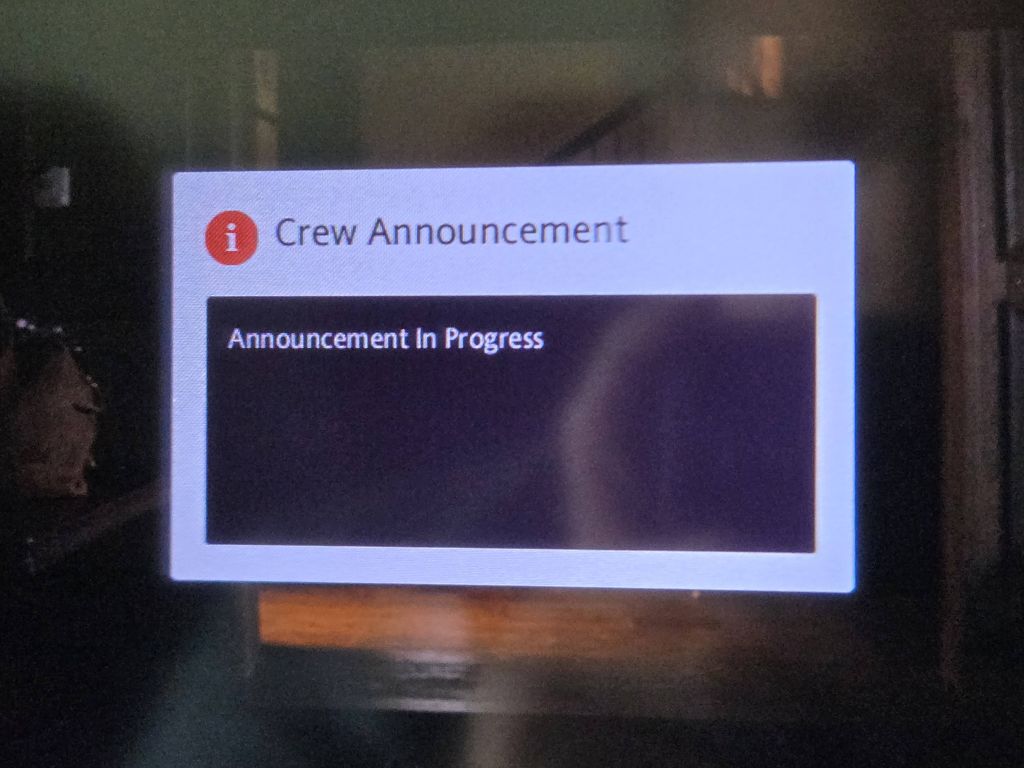
On board, there were a host of announcements throughout the flight, including periods when seatbelts had to be worn due to turbulence. We switched on Google Live Transcribe, but even it couldn’t decipher what the crew was telling us. Had the announcements been made via Auracast as well as on the public address system, it would have been possible to offer the announcement that anyone can hear, as well as translations and, using a speech-to-text converter, a generated text message.
With none of that, it was really hard to understand what was going on, not helped by ears needing to go ‘pop’.
Unfortunately, staff didn’t check in on two deaf passengers during that flight – we were one of them. And that meant any query we had, aside from the drink and food trolleys, went unasked.
It could also be possible to fit Auracast transmitters to each seatback screen, and to ensure that all content is captioned – only a handful of films were. This would go a long way to helping passengers.
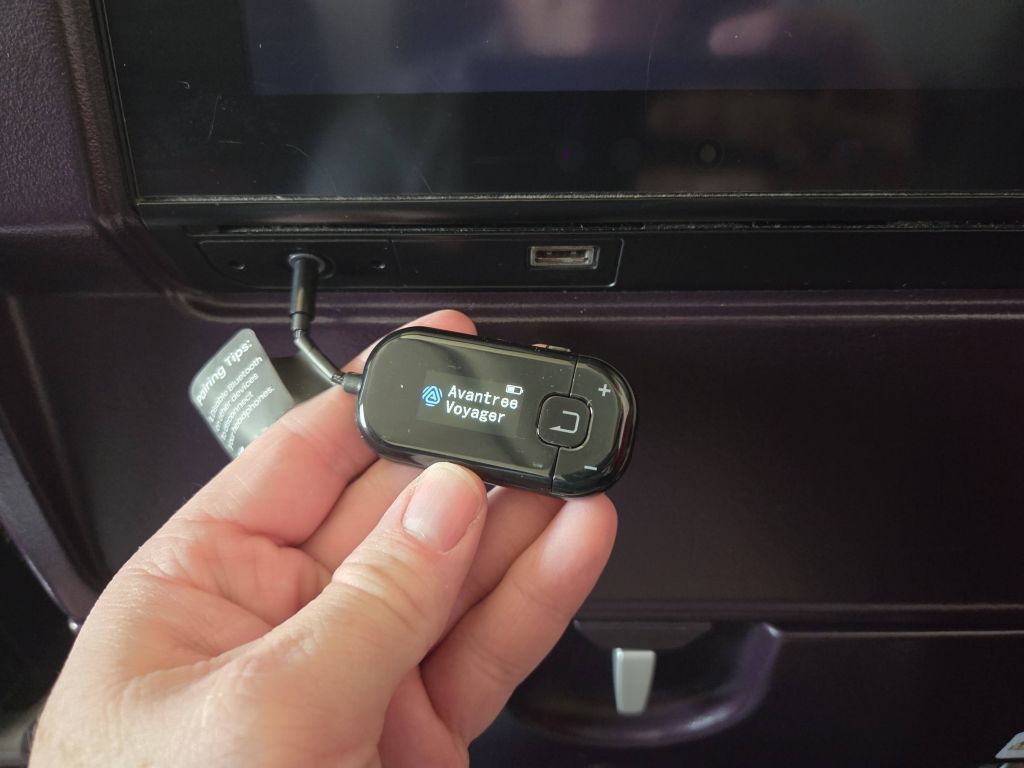
For our journey, we plugged in an Avantree Voyager (review coming soon) and GN ReSound’s MultiMic+, allowing us to hear without subtitles. The effort of concentrating on the speech in a movie while there is a lot of background noise was just too much.
Air travel is stressful enough for many, but introducing Auracast will make a difference and transform passengers’ lives. We can’t wait for it to take flight.

Aurahear in your inbox!









Leave a comment