

It’s been a year since we last looked at Apple’s plans for Auracast. We’re still hopeful that the technology will be forthcoming, even though it was missed off a round of Accessibility updates from the company.
In February 2025, an update to AirPods Pro 2 was made to allow them to function as hearing aids, albeit with an eight-hour battery life. Users can take a test in the app that generates a personalised hearing profile, which can be manually adjusted.
Around the same time, journalist Liam O’Dell reported that Apple’s senior director of Global Accessibility Policy and Initiatives, Sarah Herrlinger, said the company was ‘super excited’ about Auracast. Despite these warm words, nearly 18 months on, there is still no roadmap for Auracast orientation: WWDC25 was big on iOS 26 and other accessibility features, but short on Bluetooth LE Audio.

This week, Apple has announced a slate of new accessibility features which can be transformative for many, but again there is no mention of Auracast. Hopes now turn to the WWDC26, which includes a keynote address on Monday, 8 June at 10am PDT (6pm BST).
The Keynote will be available to stream on apple.com, the Apple TV app, and the Apple YouTube channel.
On-demand playback will be available after the conclusion of the stream.
What new accessibility features has Apple announced?
Apple CEO Tim Cook says the company’s approach to accessibility is “unlike any other”.
Announcing a slate of features, including on-device generated subtitles and a new accessibility reader, he said: “With Apple Intelligence, we are bringing powerful new capabilities into our accessibility features while maintaining our foundational commitment to privacy by design.”
To help people with visual impairments, Apple is introducing VoiceOver and Magnifier.
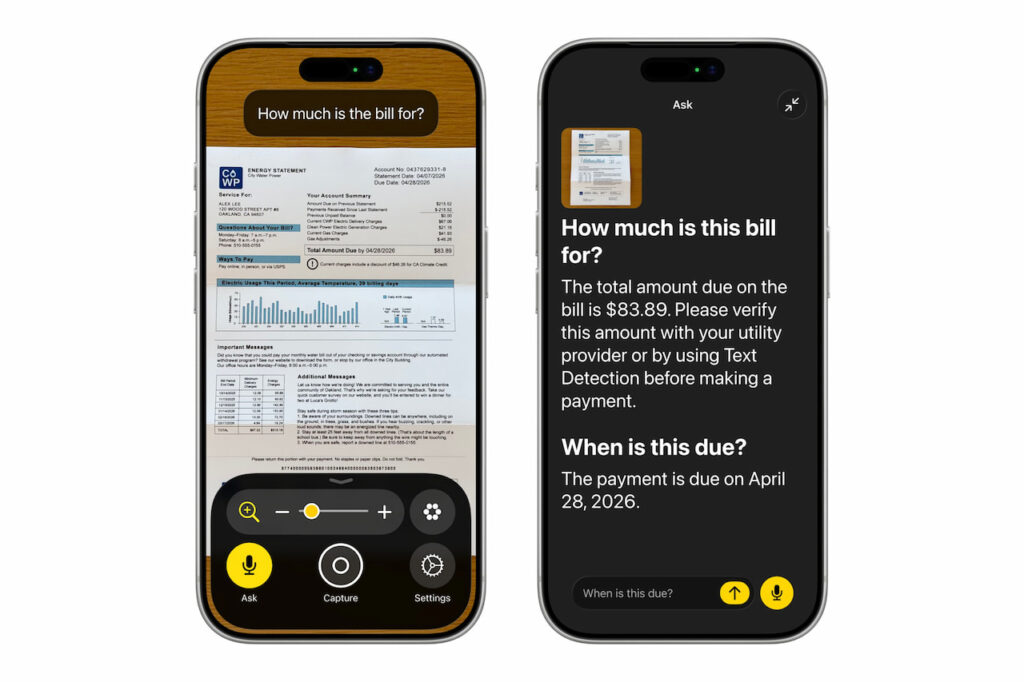
The first will give detailed descriptions of images systemwide, including what’s in photographs, scanned bills, personal records, and other visual content. Pressing an Action button, questions can be asked about what the phone’s camera is seeing.
Apple says Magnifier uses Apple Intelligence to deliver the same assistive exploration and visual description to a high-contrast interface designed for users with low vision. It works with spoken commands such as ‘turn on flashlight’.
Voice Control has been updated, allowing an iPhone or iPad to be navigated by spoken commands. Apple says users can describe onscreen buttons and controls with natural language instead of memorising exact labels or numbers.
The Accessibility Reader has been updated to include a built-in translator, so text can be read in a native language while retaining formatting and colours.
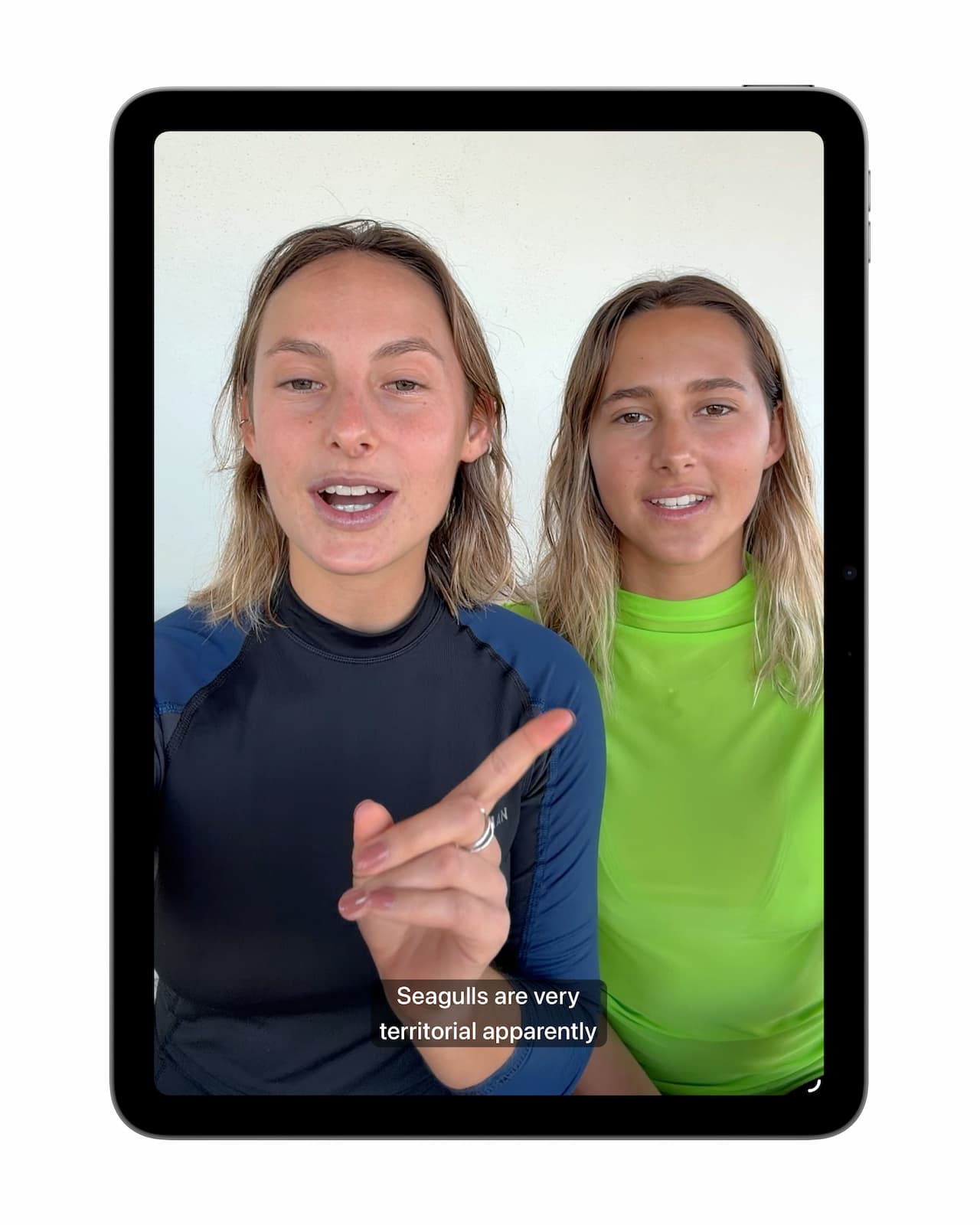
An on-device speech recognition algorithm will allow for all videos to be captioned. Live subtitles can be customised and used in personal videos, such as messages from friends and family. Apple says this will work automatically on iPhone, iPad, Mac, Apple TV, and Apple Vision Pro devices.
Using the eye-tracking system on an Apple Vision Pro, power wheelchairs can now control their devices – at launch, this is limited to people with Tolt and LUCI alternative drive systems, but more will be added in due course.
A new grip designed for accessibility has been launched. The Hikawa Grip & Stand for iPhone is available from the Apple Store and comes in three colours. It snaps to a phone via the MagSafe magnet.
Another update improves the way iPhone and Made For iPhone hearing aids connect.
Ms Herrlinger said: “With these updates, we’re bringing new, intuitive options for input, exploration, and personalisation, designed to protect users’ privacy at every step.”

Aurahear in your inbox!











Leave a comment