


For venue owners, installing Auracast is not just about meeting a regulatory requirement; it is about future-proofing your business and enhancing the guest experience for a digital-first generation.
The expectation is that Auracast will be prevalent by 2030, as it is quick, easy and cheap to install. The caveat is that the installation has to be right for the people who will come on to your premises.
Whether they are at a gym, a bar, or a conference, patrons increasingly expect their personal tech to integrate seamlessly with their environment. Just as they expect their phone, tablet or laptop to connect directly to a venue’s WiFi, so they will come to expect the Auracast to work as well.

While you will have requirements to make reasonable adjustments for assistive listening – these vary from country to country – Auracast gives businesses the opportunity to have an edge over competitors: after all, clear hearing is for everyone.
A very, very, very brief look at reasonable adjustments
This is intended to be a quick guide, and we encourage you to look up specialist advice in your own country.
In the United Kingdom, the Equality Act 2010 mandates that service providers make reasonable adjustments to ensure disabled people are not at a substantial disadvantage. This often includes providing auxiliary aids such as assistive listening systems.
Similarly, across the United States, the Americans with Disabilities Act (ADA) requires assembly areas where audible communication is integral to the space to provide assistive listening systems for a specific percentage of the audience. For example, a venue with 50 seats or fewer must have at least two receivers, and no fewer than two of these should be hearing aid compatible.
The European Union has strengthened these requirements through the European Accessibility Act (EAA), which aims to improve access to accessible products and services across member states.
Meanwhile, in Australia, the Disability Discrimination Act and the corresponding Disability (Access to Premises – Buildings) Standards ensure that any space required to be accessible must provide an assistive listening system.
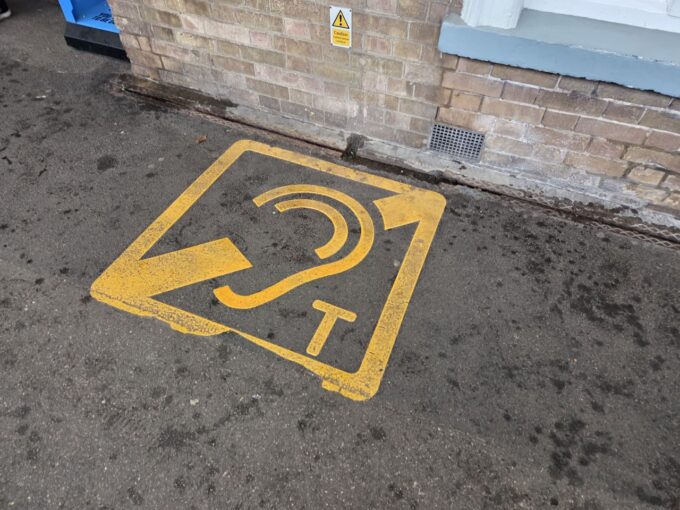
Auracast offers a streamlined, global solution to meet these diverse legal obligations while providing a superior audio experience, and can offer backwards compatibility with Telecoils.
How Auracast can work in venues
Places of worship
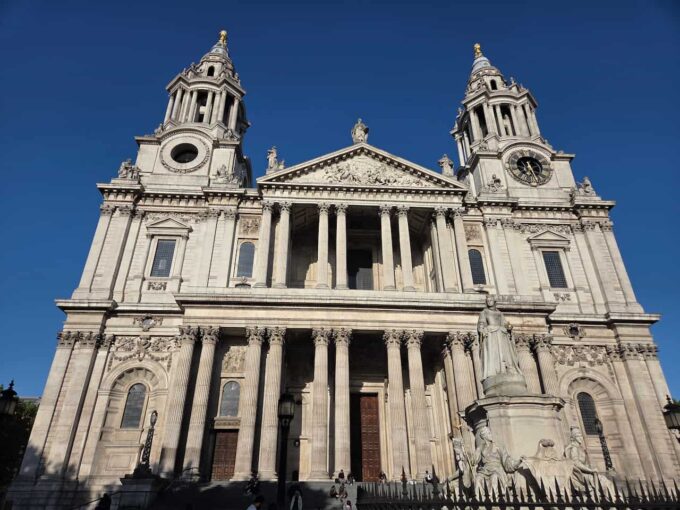
In places of worship, an Auracast system will allow people to hear the services more clearly, while study groups can use an Auracast-enabled microphone to ensure the speaker’s voice is loud and clear. This technology bridges the gap for those who may struggle with natural acoustics or background noise in large, open halls.
Pubs and clubs
In a pub, the system allows for silent screens where customers can tune into the audio of a specific football match or news broadcast directly through their own earbuds. This means a venue can show multiple games simultaneously without the audio from different screens clashing, creating a chaotic environment. Handy for when the World Cup gets to the final group games which are shown at the same time.
An Auracast microphone can work wonders when it comes to helping people hear questions in a pub quiz.
Cinemas and theatres
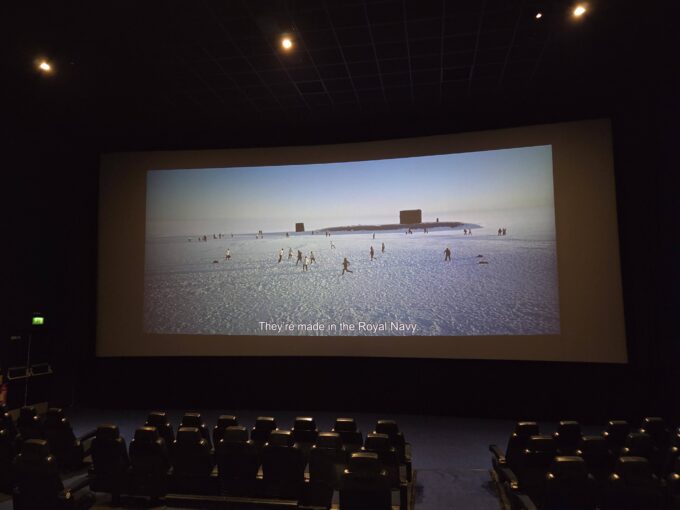
In a cinema or theatre, Auracast provides a high-quality alternative to traditional infrared systems for assistive listening. Patrons can enjoy a personal audio feed that provides crystal clear dialogue, while some venues may also use the technology to offer multi-language soundtracks or audio description services simultaneously.
Conference centres
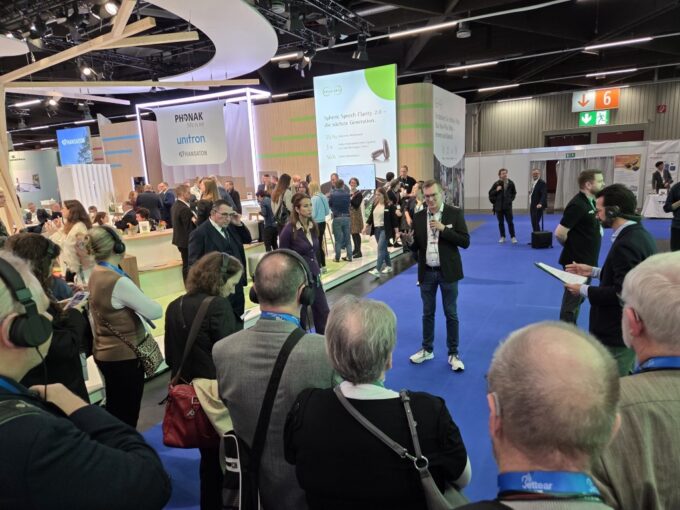
In a conference centre or lecture hall, the technology is invaluable for large-scale presentations and breakout sessions.
Delegates can select the specific audio stream for the stage they are watching, ensuring they do not miss a word of the presentation even in a room with hundreds of other people.
For international events, this also facilitates seamless simultaneous translation delivered straight to a visitor’s device.
Concerts
At a concert, Auracast can enhance the live experience by providing a direct soundboard feed to fans. This is particularly useful for those in the back rows or in areas of the stadium where the natural acoustics might be less than ideal, allowing everyone to enjoy a front-row audio experience regardless of their seat.
Outdoor events
For those working or attending events outdoors, such as at festivals, guided tours, or building sites, Auracast ensures that instructions and information are not lost to the wind or ambient traffic noise. Tour guides can speak at a natural volume while their entire group hears them clearly through their own headphones, and safety briefings on busy sites can be broadcast directly to workers’ ear protection to ensure vital information is never missed.
Stadiums and sporting events
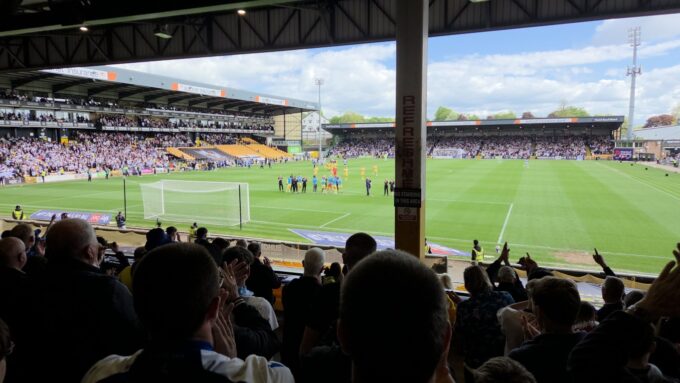
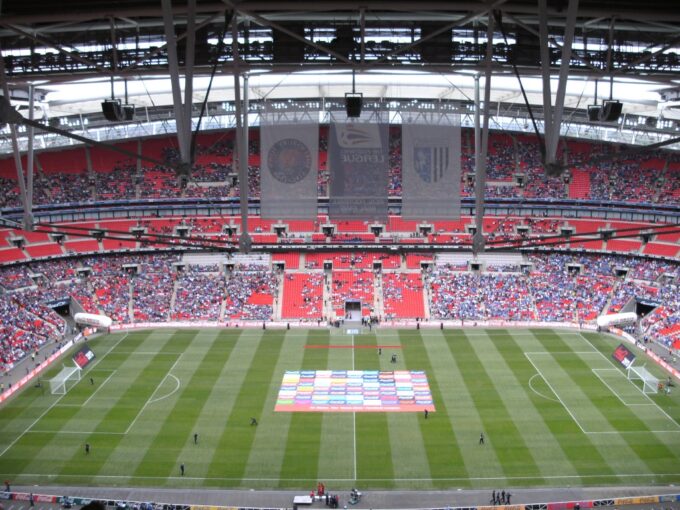
In a stadium, Auracast can solve the common issue of stadium echo and delayed audio from large PA systems. Fans can listen to live commentary or a direct feed of the referee’s microphone or local radio commentary, providing a deeper level of engagement with the game. This is especially useful for multi-sport venues where different play-by-play descriptions can be broadcast to different sections of the crowd at the same time.
Auracast as a social experience
Auracast provides a “Social Audio” layer that traditional PA systems cannot match, turning a passive visit into an interactive experience.
From an operational standpoint, the most compelling reason to install is the Bring Your Own Device (BYOD) model.
Historically, providing assistive listening meant managing an inventory of expensive, fragile receivers and neck loops. These required constant charging, sanitising, and a manual “check-out” process at the front desk, which many guests found stigmatising and inconvenient.
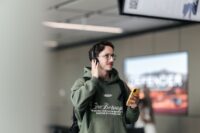
With Auracast, visitors can bring their own devices: hearing aids and earbuds they already own and trust.
At the moment, many people will still need to borrow equipment from venues, especially if they want to use a Telecoil, or have wired headphones with no Auracast. However, as the years go on and more and more people have Auracast in their hearing aids, headphones, earbuds and Cochlear, this demand will reduce significantly. In turn, this will make it easier to reduces your overhead costs and frees up staff time, as there is no equipment to hand out or retrieve.
Auracast as a marketing advantage
Furthermore, Auracast offers a significant marketing advantage.
By registering your venue on the Bluetooth SIG database, your business appears on “Auracast-enabled” maps used by modern smartphones.
This drives foot traffic from the hearing-loss community and tech-savvy “prosumers” who seek out venues where they can actually hear the TV in a sports bar or the dialogue in a theatre.
In a world where “inclusive design” is a major brand value, being an early adopter of the global Bluetooth LE Audio standard positions your venue as a leader in accessibility and innovation.

Aurahear in your inbox!







Leave a comment