

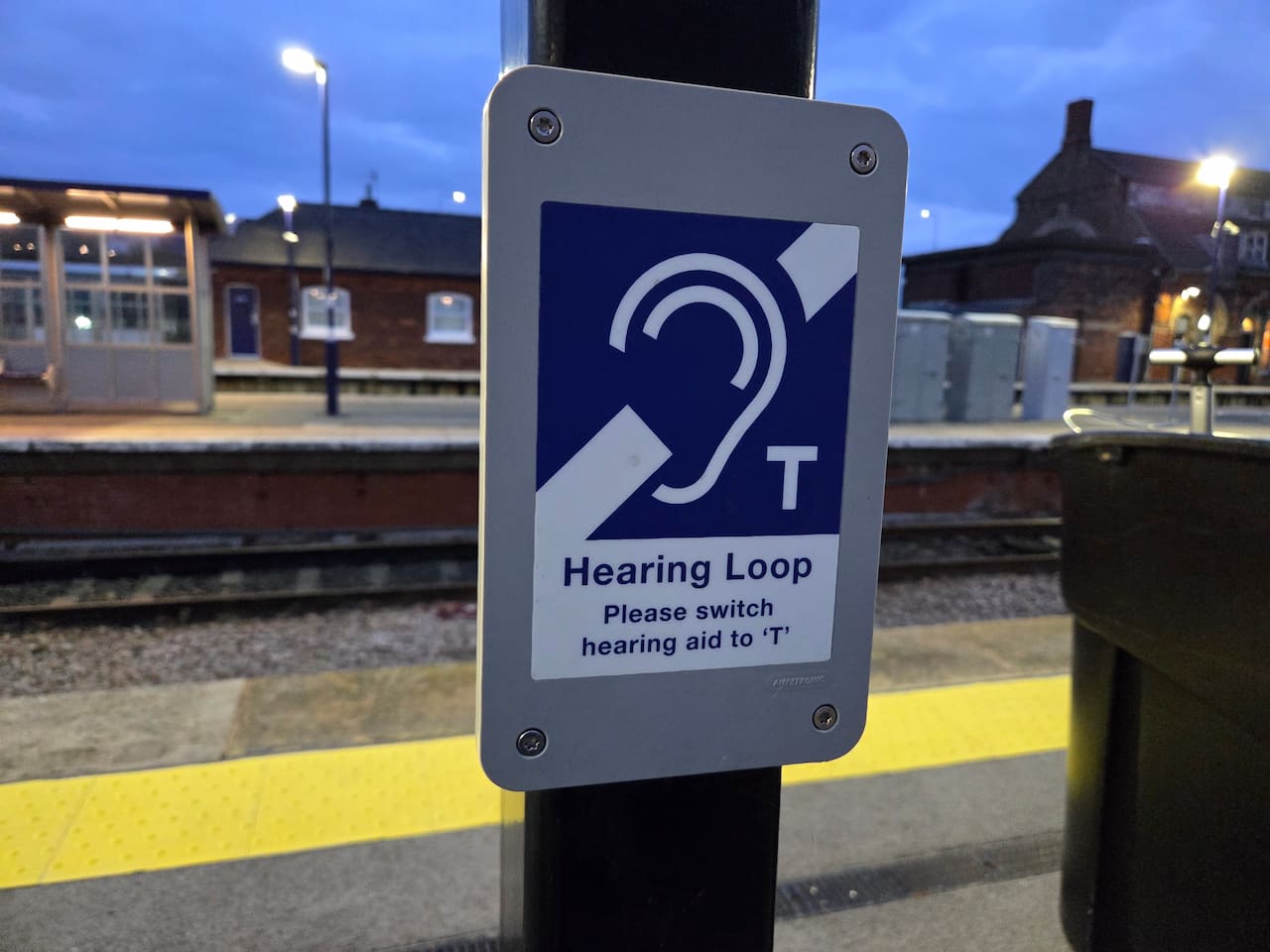
The European Federation of Hard of Hearing People says that people who are hard of hearing should not be forced to choose between Auracast and Telecoils and should instead be able to have both installed in their hearing aids.
In a statement voted on at its Annual General Meeting held on April 27, 2026, the EFHOH adopted a new Position Statement on Public Procurement of Hearing Devices and their Accessibility Features as part of its Hands Off Our Telecoil campaign – the latter is something that we don’t agree with.
“EFHOH’s position is clear: hard-of-hearing people should not be forced to choose between different ways of accessing sound and communication in public spaces,” its statement reads.

“Telecoil remains essential for compatibility with widely installed hearing loop systems across public spaces, while Auracast introduces new opportunities for wireless, scalable audio access. Removing one in favour of the other risks excluding users and undermining existing accessibility infrastructures.”
It has three action points:
- Telecoils (hearing loops) and Auracast should be standard requirements in public health procurement of hearing aids and cochlear implants.
- There should be compatibility with all major assistive listening systems: hearing loops, FM/RF, infrared, and Auracast
- Guarantee that innovation strengthens, rather than replaces, existing accessibility.
Its statement adds: “EFHOH’s position is that full accessibility is achieved only when hearing instruments incorporate both telecoil and Auracast technology. This dual approach enables users to utilise all four assistive listening technologies: hearing loop, FM/RF, infrared, and Auracast streamed assistive listening systems for the foreseeable future.”
We disagree strongly with this stance.
First: Auracast offers backwards compatibility.
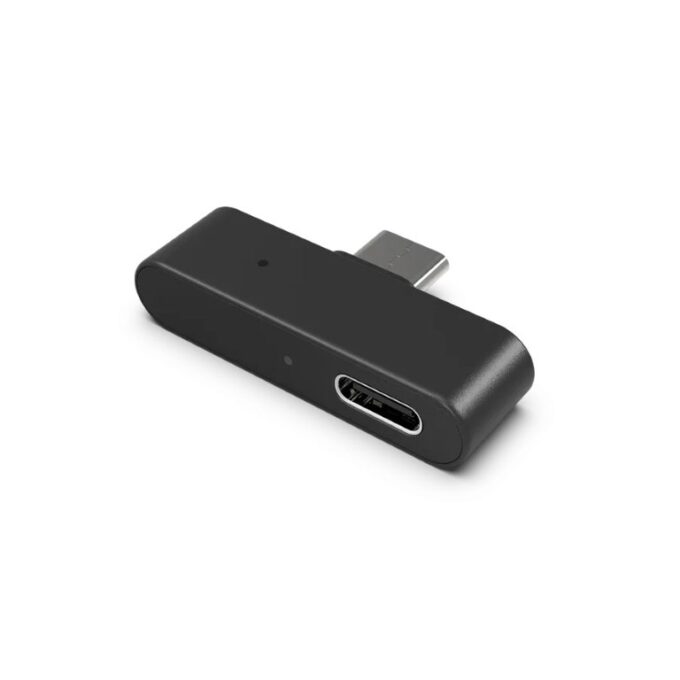
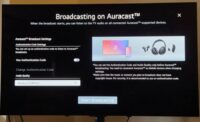
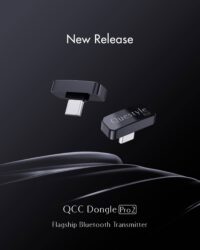
The EFHOH says: “Telecoil remains essential for compatibility with widely installed hearing loop systems across public spaces … Removing (it) in favour of (Auracast) risks excluding users and undermining existing accessibility infrastructures”. We disagree with this and think it’s misleading. Professional-grade Auracast installations see venues offer users who don’t have Auracast a ‘pebble’ receiver. They can plug in a portable neckloop for their Telecoils setting, or headphones and still have full access to the broadcast.
There is no need for anyone to use an additional Telecoil, an FM/RF or infrared system, as assistive listening capability is available via Auracast.
To insist that venues install both Auracast and Telecoils is a waste of funding and resources, resources that could be used in investing in captioned or signed performances or exploring an Auracast speech-to-text system that could help provide live subtitles. We also argue that venues would find it hard to justify the expense of a dual installation when Auracast provides the same overall user experience, albeit via the ‘pebbles’.
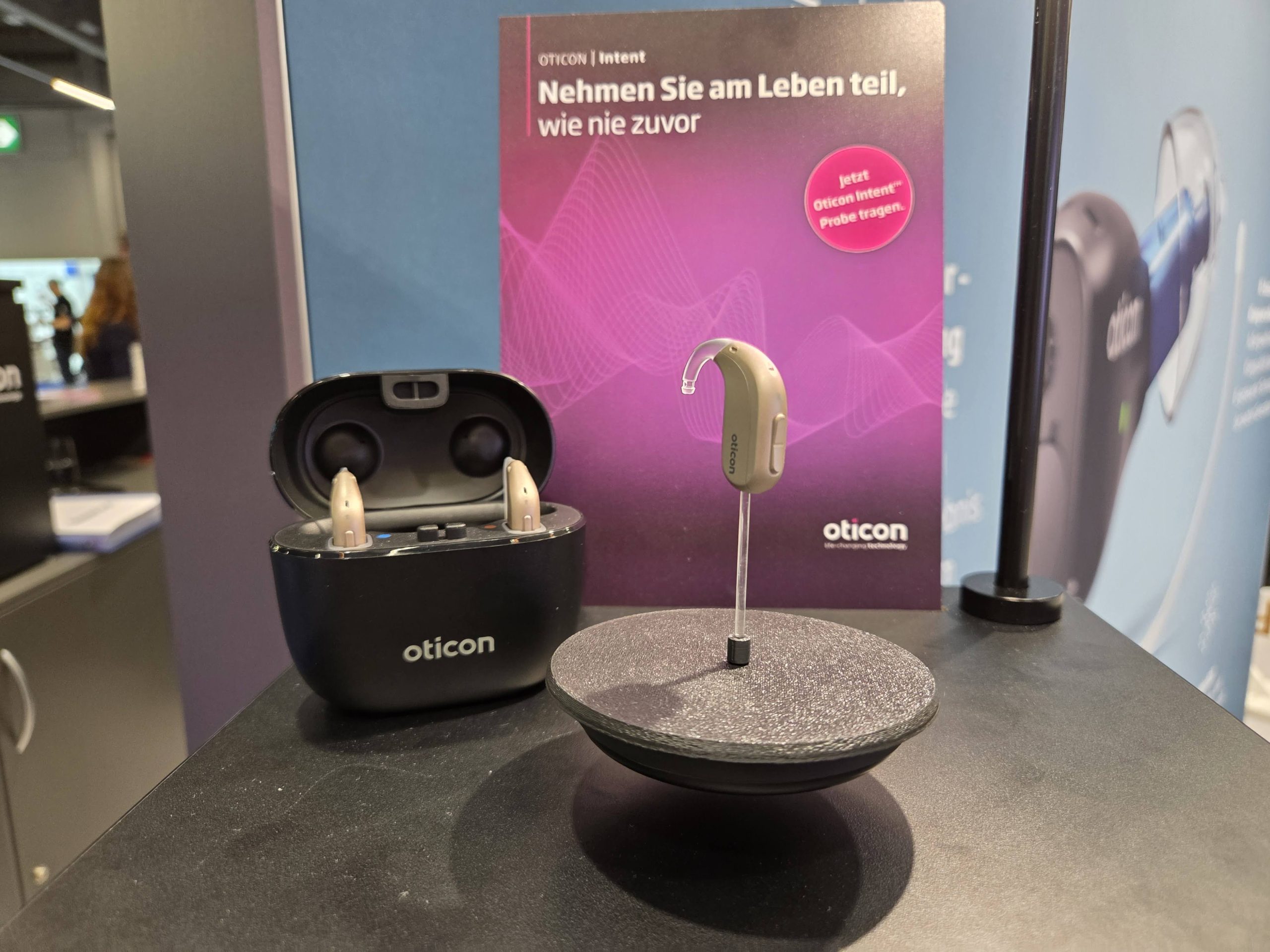
We also need to be mindful of the direction of travel: Auracast is coming, it is being installed in hearing aids and Cochlear as standard, and at all levels of technology. In some ways, it is like the advent of widescreen and LCD televisions: once they arrived on the market, the days of 4:3 cathode-ray-tube sets were numbered. Yes, you get some advocates who enjoy the push-button days, but the reality is that more people prefer the convenience of newer technology, higher-definition picture quality, and larger screens.
When it comes to the technologies that go into hearing aids, we are in a very exciting time. Advances in computational power and battery life mean the instruments that sit in or behind the ears are incredibly complex and offer some of the best hearing ever available. Real Ear Measurements and similar fitting innovations mean we have more opportunities to help people get the best possible hearing for the loss they face.
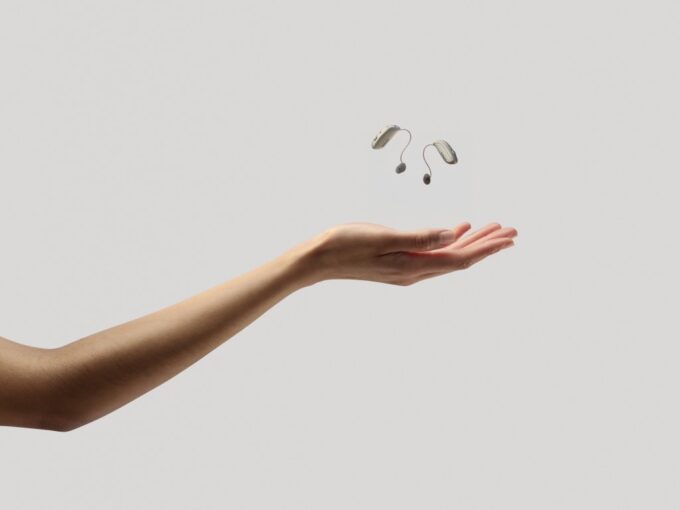
Adding the new Bluetooth LE Audio technology, which is designed for hearing aid batteries – the LE stands for Low Energy – means that Auracast should be available as standard.
The Hands Off Our Telecoil campaign also ignores that some hearing aids from major manufacturers do not include a Telecoil as standard, or don’t have it switched on. So the situation is already similar to that of Auracast, in that the onus is on the client to request an assistive listening solution. If they don’t know such technology exists, why would they ask for it?
We feel the EFHOH’s position is backwards-looking, could stifle innovation and limit Auracast’s take-up. To us, it is baffling that they are taking this position, but they are not alone.
The IAHA (International Association for Hearing Accessibility) has published a guide to Auracast that contains a section we take great exception to. Headed “Auracast is not set to replace existing assistive listening technologies”, we believe they are wrong: Auracast WILL become the dominant assistive listening technology because it is easy to use, offers a better user experience, and is more versatile. These all benefit the user.
At the same time, Auracast is a cheaper solution that can be installed in a venue in just 45 minutes. Quick to set up, easy to check it’s working, and gives terrific sound quality anywhere in the building. There is little reason to consider any other solution.
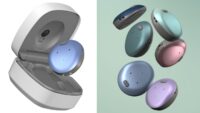
The IAHA statement is correct in noting that it will take time for venues, device makers, and users to adopt the necessary technology. For those who don’t have a smartphone, the ‘pebble’ is the answer: it acts as an Auracast Assistant, solving the problem of connecting. Similarly, some headphones and earbuds have an Auracast Assistant built into the travel case. Such a solution can be adopted by hearing aid manufacturers with their charging pots.
We disagree with this statement: “Adding Auracast as it becomes available will enhance accessibility, but only when it complements existing hearing loop systems rather than replacing them … For new installations, both technologies should be installed side by side wherever possible, ensuring inclusive access for all users.”
Auracast IS available, as we continue to document. It DOES replace a hearing loop system as there is backwards compatibility.
The IAHA also says “Techniques and equipment to cater for broadcast privacy at customer help points, counter systems such as at banks or health care situations have yet to be developed”, and also raises concerns about transmission privacy. This is also incorrect, as there are several solutions to this already in operation, including Bettear’s setup, which is suitable for use in courts, such as its security.
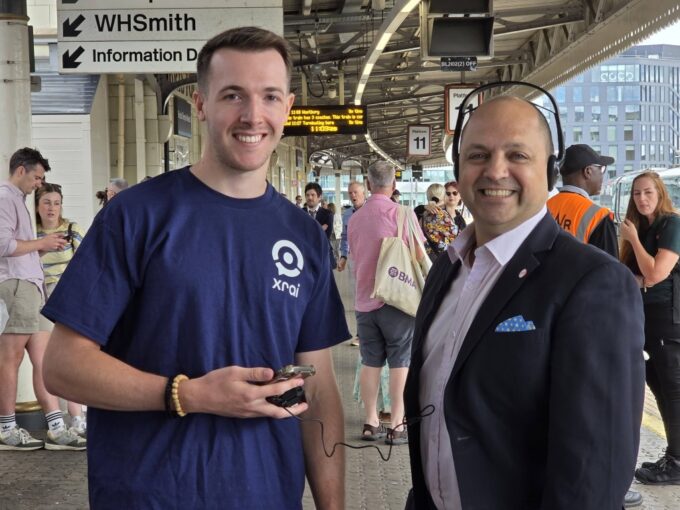
Similarly, it says “The use of multiple transmitters and seamless handover of audio streams in large spaces such as airports and shopping malls has yet to be developed”, but we have documented such installations as the Bristol Temple Meads railway station trials.
However, there is one section where we can agree with the IAHA: “Currently, the best approach is to maintain current loop systems and add Auracast transmitters”.
We are still a way away from every new hearing aid being Auracast-enabled, and every venue having Auracast installed, but the speed at which it is arriving is impressive for a new technology. We have previously written about the 2030 vision, and this isn’t a pipe dream.
We are disappointed with the positions these associations have taken, even if they are well-meaning. Hands Off Our Telecoils is particularly backwards-looking when the newer Auracast technology offers so many benefits, from its portability to the clear sound quality, to the ease of installation and lower costs.
We hope both organisations reconsider.

Aurahear in your inbox!


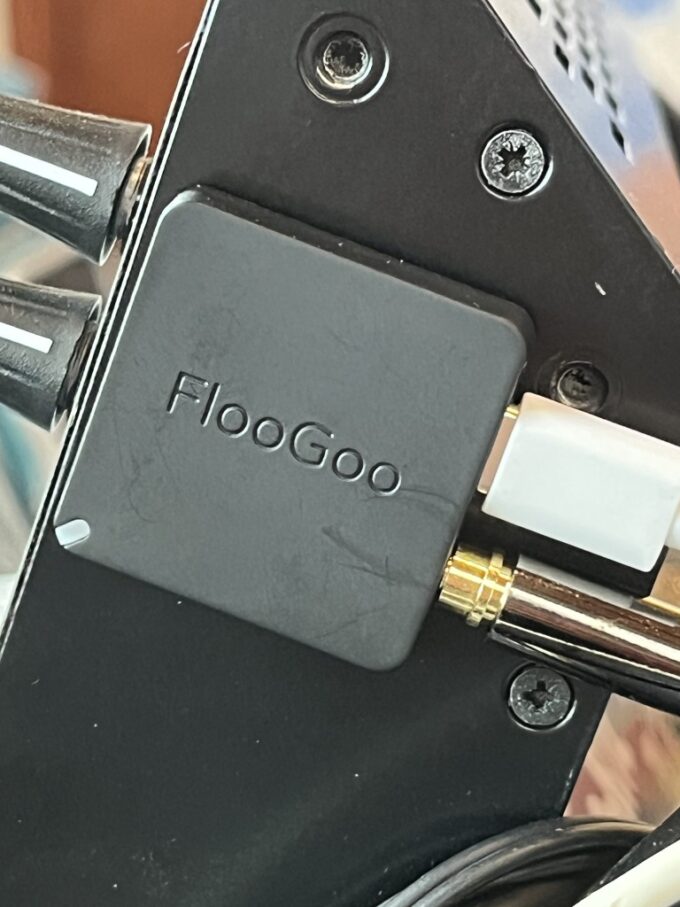








An excellent refutation of the EFHOH’s statement. One further addition: if you want as many hearing-impaired people as possible to enjoy the sound quality of Auracast, with the separate receiver and ear hooks instead of the neck loop for hearing aids with a T-coil or with headphones, and of course with Auracast-compatible hearing aids as well, you will have to switch off any existing induction loop to prevent it from interfering with the inductive signal from the ear hooks and thus ruining the sound quality.