


An Australian university has become the latest academic venue to install an Auracast system, ensuring that all 65 of its lecture theatres have the technology.
The University of Queensland says the technology shakes up the way it approaches assistive listening technologies: previously, it asked students to sit near the front and approach the lecturer so they could wear an appropriate microphone.
With Auracast as standard, students can now sit anywhere without having to ask the lecturer to use specialist equipment.

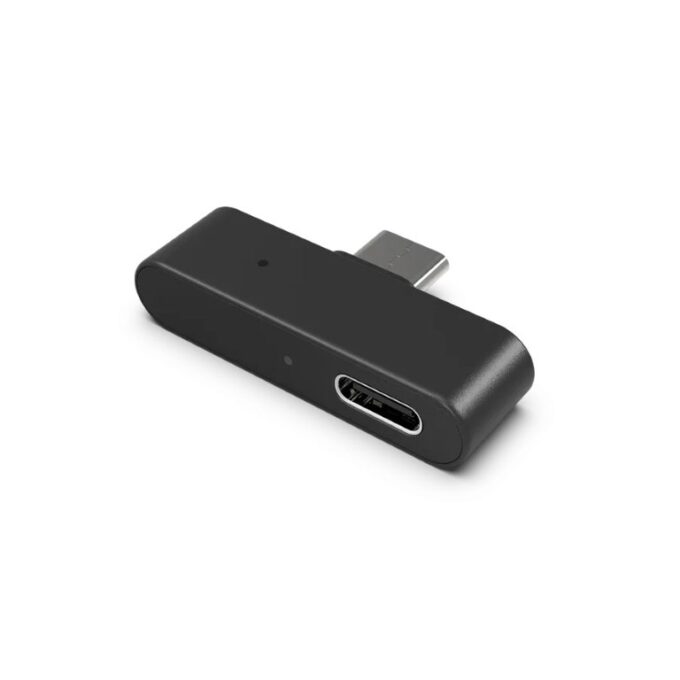
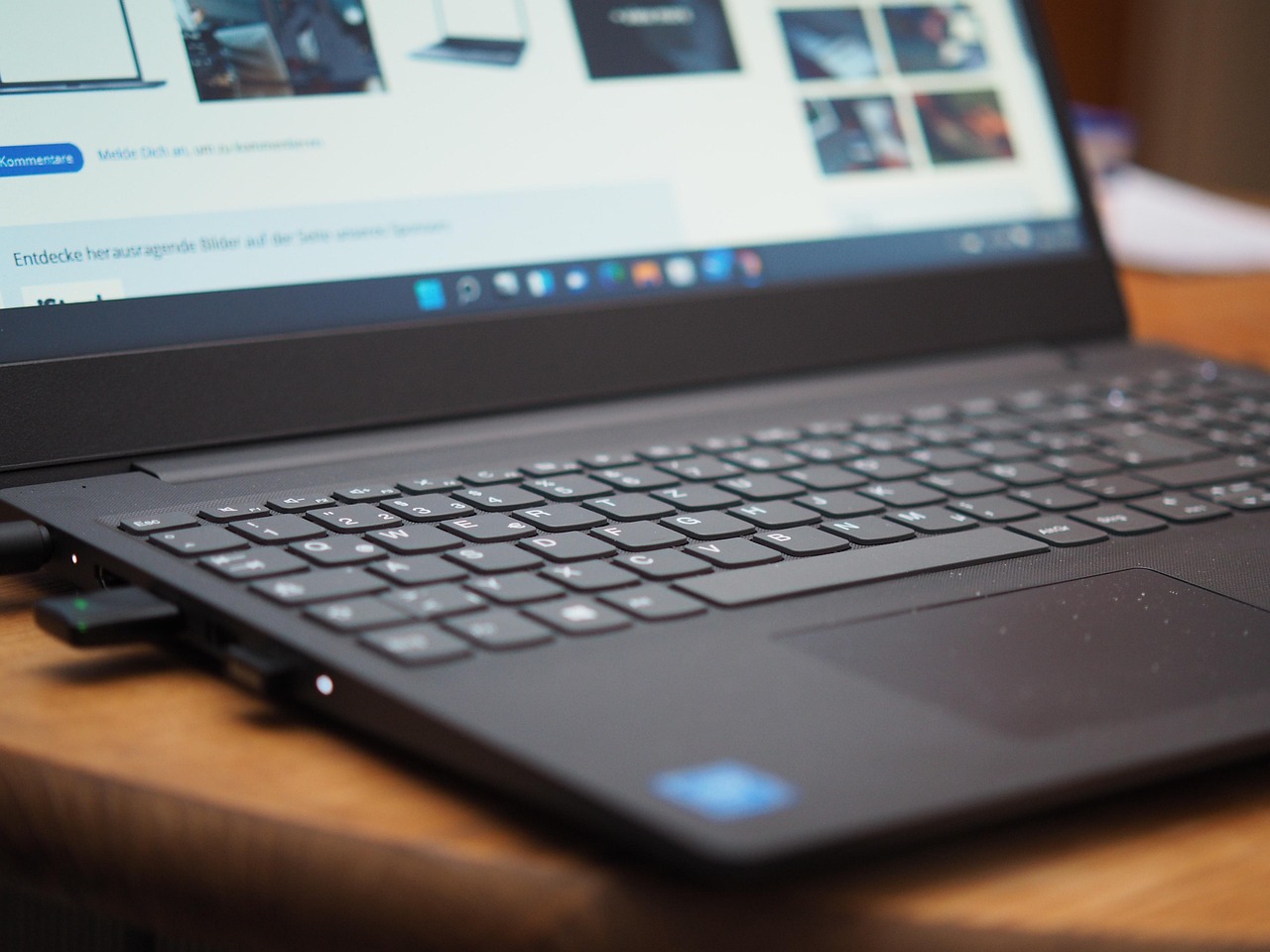
There is an additional advantage for all students: if they have an appropriate dongle, such as the HomeSpot BA308 that we reviewed earlier this year, they can access transcripts created by speech-to-text programmes. This means if they need to go back over a point raised during the lecture, the information is right there for them to access.
How the University of Queensland is incorporating Auracast
The University of Queensland has installed transmitters made by Audeara in its campuses in St Lucia, Gatton and Herston. Each transmitter can Auracast the lecturer’s voice to an unlimited number of compatible receiving devices such as headphones, hearing aids, Cochlear, and earbuds. If students don’t have a compatible Auracast device, they can borrow headphones.
Those who benefit will include the hearing impaired and those who speak English as a second or third language.
The lecturer can use different types of microphones: a lapel mic, a handheld mic, or a lectern mic.
To hear the Auracast, students scan a QR code at the hall. This gives information about the stream, how to connect their own devices, or where they can access equipment.
While lecture halls have been the first to be connected, the University intends to expand its Auracast rollout throughout the year.
What the University says about the Auracast installation
In a post on its website, the University of Queensland shared why it was committed to installing Auracast to improve accessibility for students. And while Auracast does indeed help deaf and hard-of-hearing students, it also supports those with other needs.
Dr Barbra Timmer, Senior lecturer in Audiology at UQ’s School of Health and Rehabilitation Sciences, said: “At least a quarter of our audiology cohort are international students and they are finding they need to strain less to hear well, requiring fewer cognitive resources to take in the content.”
She also said: “First year students at UQ are used to small class sizes from secondary school, and here they may sit in a lecture room filled with hundreds of students.
“Some may discover in that environment they have difficulties hearing the content, which could be due to hearing loss, auditory processing issues or listening fatigue.”
Auracast helps reduce the pressure of listening as the sound is delivered directly to students’ ears.
Second-year Master of Audiology student Hardy Chau is also quoted in the University’s article, sharing how he led an Auracast workshop last year. Participants appreciated the intuitive ease of connecting to the technology.
“I’ve also had friends who have found their ability to concentrate during lectures has improved because they are able to completely focus on what the lecturer is saying without the ambient sound,” he added.

Aurahear in your inbox!












Leave a comment