

For millions of people living with any form of hearing loss, a trip to the cinema can be more frustrating than pleasurable.
While most cinemagoers can appreciate the latest sound systems that ensure every crash, boom, rumble, and stomp is audible, for those with hearing issues, that can become a mush of sound, with actors’ dialogue fusing with background music and special effects. It can be more like watching a silent movie, where an organist would entertain, and the occasional caption card would reveal what was happening.
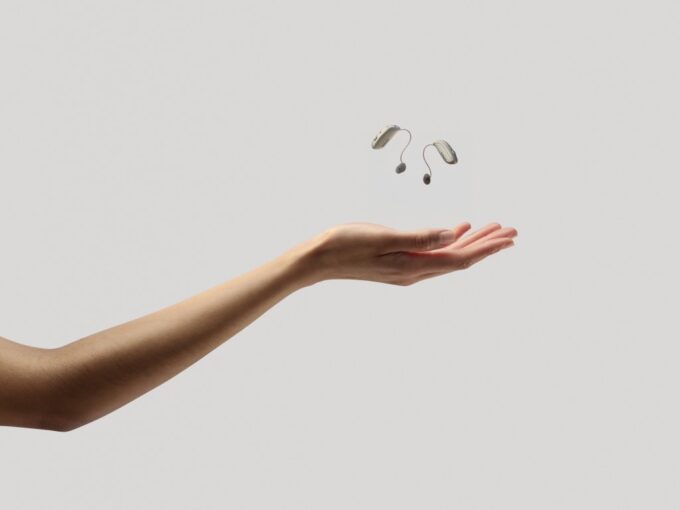
Enter Auracast: an opportunity to stream audio directly to people’s ears – via hearing aids, earbuds, headphones, and cochlear implants. It could revolutionise cinemagoing just as much as talkies and Technicolour.

We are at an early stage of Auracast adoption, which means proving the concept works is important. While there have been test events at venues such as the Sydney Opera House in Australia, there hasn’t been as much progress on cinemas and movie theatres.
Until now.
A landmark event in Tokyo changed that, demonstrating that a technological revolution is underway.
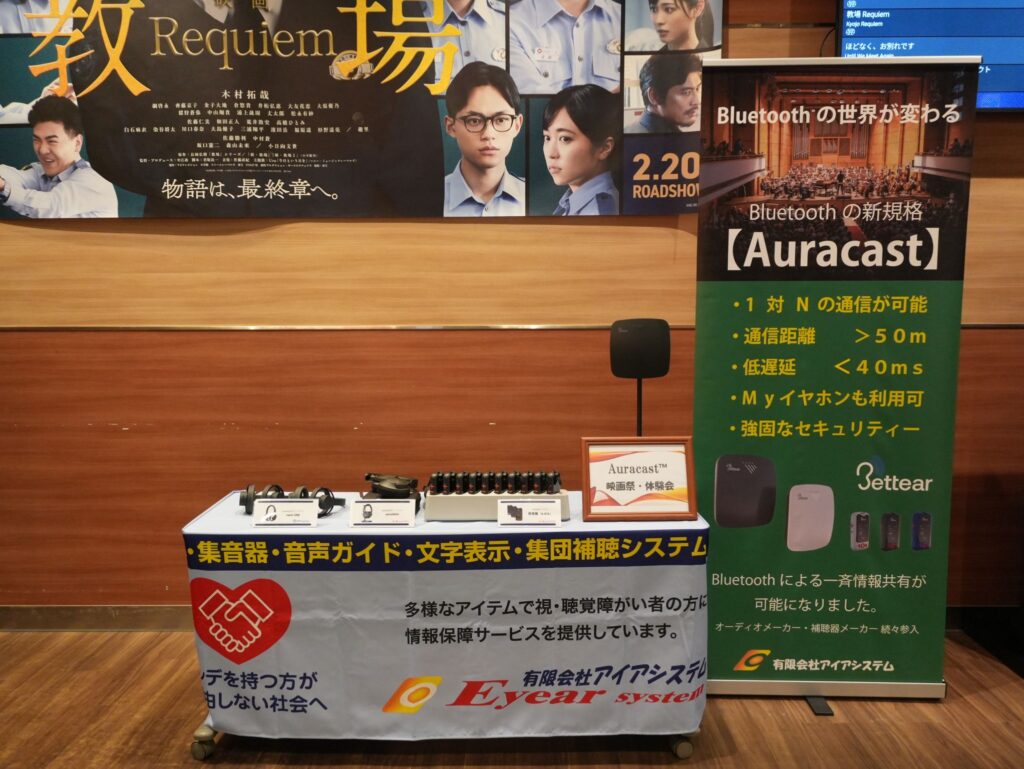
On 25 February 2026, the Auracast Film Festival and Trial Event took place at MOVIX Kameari in Tokyo. More than a film screening – it was the world’s most comprehensive real-world test of Auracast technology in a public venue.
Bettear invited major Auracast hearables firms, including GN, Starkey, Oticon, SONY and NTT Sonority to ask their customers to come along and hear Auracast in action. The invitation was also extended to vendors either currently incorporating the technology across various platforms or with no Auracast-enabled products, such as Med-El, Philips and Signia, ensuring a wide range of users could experience the benefits of the new broadcast standard firsthand.
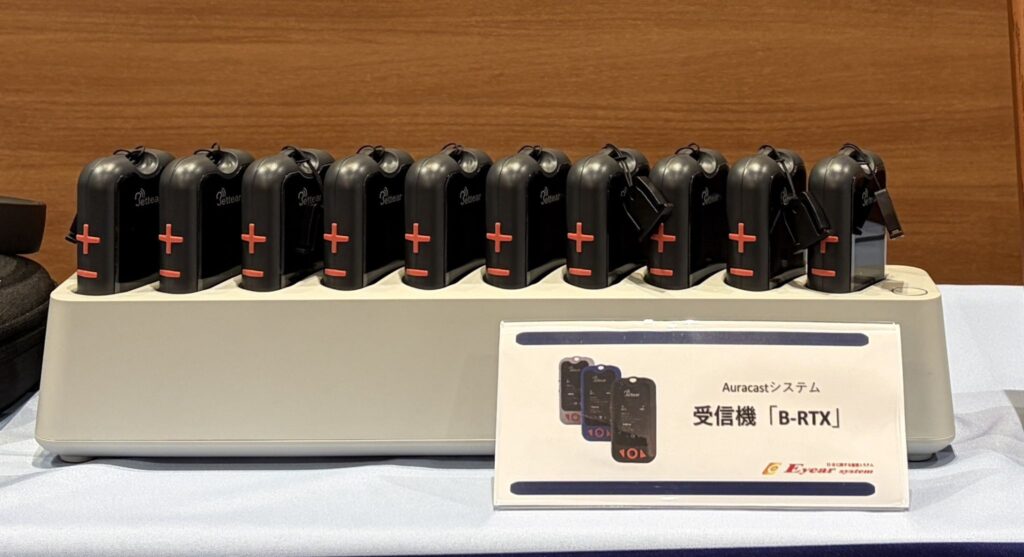
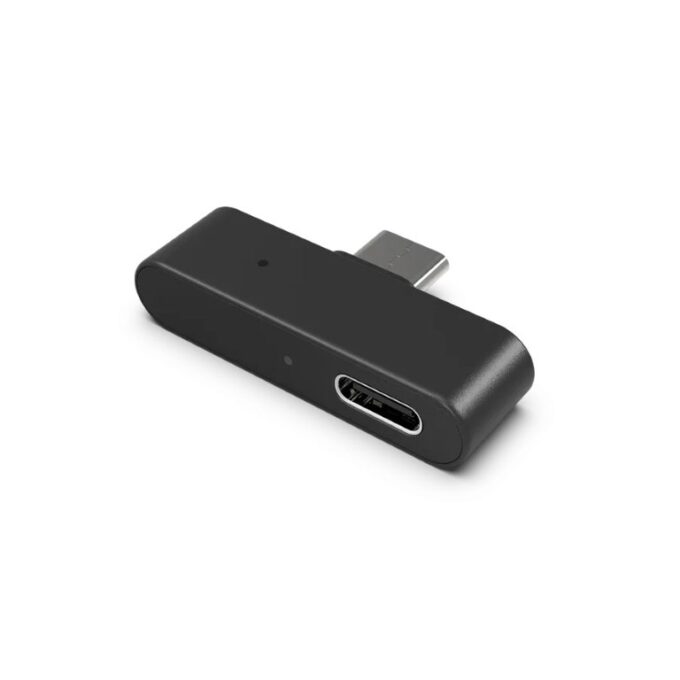
The MOVIX cinema installed Bettear’s Caster Pro Transmitter last November, so staff were already familiar with the system and were helping customers connect. This includes sharing their RTX transceivers, which have 3.5mm ports to plug into a personal loop set or wired headphones, offering backwards compatibility for those with a Telecoil in their aids.
Ariel Caner, Bettear’s business development manager, said the event came from a desire to move beyond isolated tests that usually involved a handful of companies and a limited number of listeners.
“I came up with this idea a few months ago to try streaming Auracast in public venues,” he says.
“The idea was to try and gather as many end users as possible with as many types of wearables as possible, with or without Auracast enabled, for the sake of demonstrating the high-quality and low latency, and to show how easy it is to connect to an Auracast stream.
“For those who don’t have Auracast yet, it was also a way to demonstrate you can still enjoy an improved, immersive experience.
“One Auracast transmitter can handle, theoretically, an endless number of receivers, delivering high-quality audio with low latency. But this has never really been tested in public venues before.
“We knew the engineering merits of the solutions, but never had so many end-users testing it and sharing their objective feedback. It went very well, with so many positive, encouraging comments from the users – that made us very happy.”
Proving the proof of concept
The complexity of a cinema was a deliberate choice. Unlike a lecture hall or a church, where the audio is primarily speech, a movie is a rigorous test of audio fidelity.
“Cinema sound is complex, and some parts of it are at different parts of the spectrum compared to speech. People listening via Auracast said they found the vocals were clearer, and they could hear things like footsteps,” Ariel says. “I think trialling Auracast in environments with complex audio beyond speech is the winning factor.”
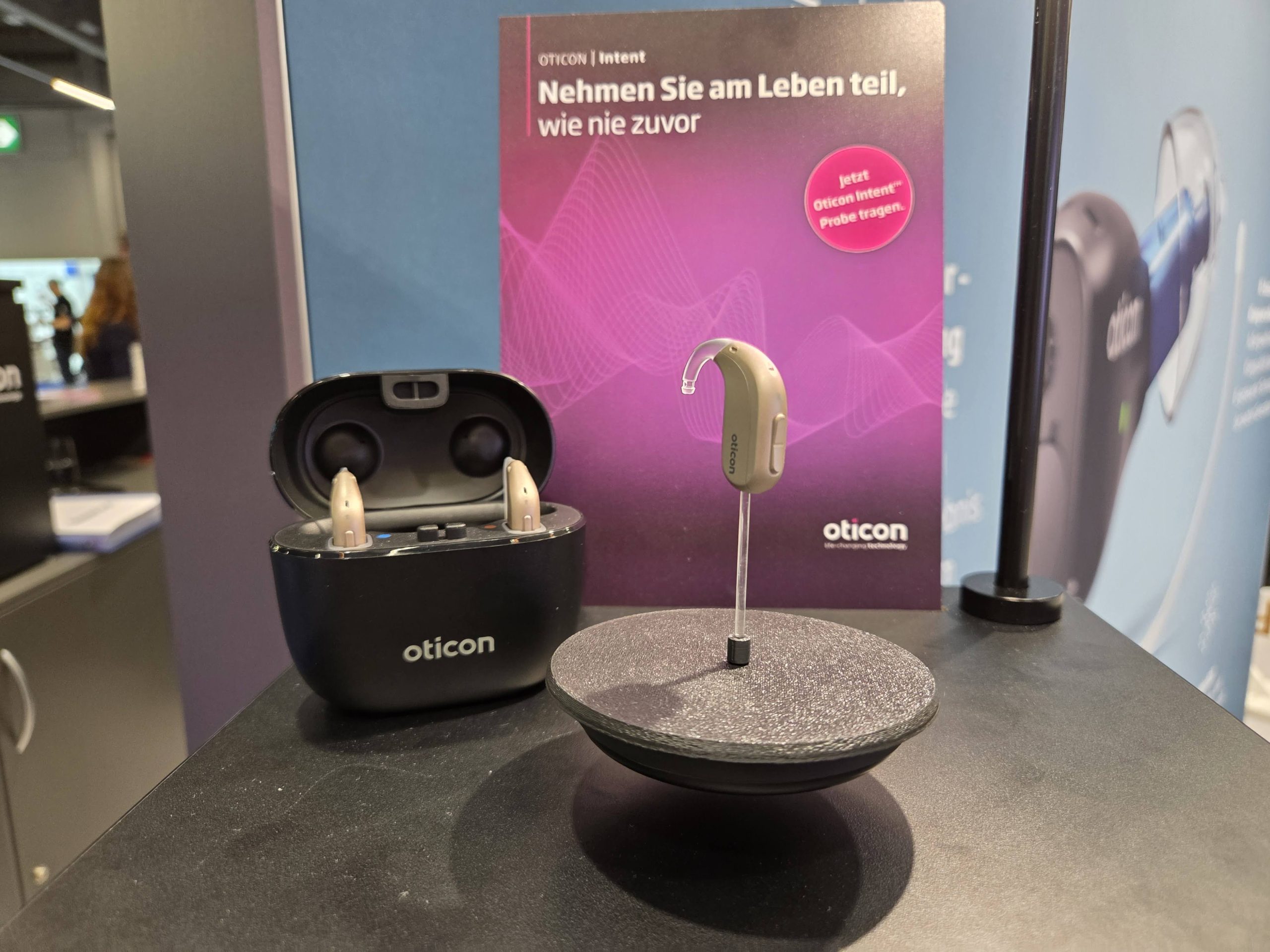
The MOVIX trial saw a real mixture of devices being used. Some cinemagoers wore the latest Auracast-ready hearing aids from GN ReSound, Starkey, and Oticon, others had consumer earbuds from Sony or headphones from earisMAX and NTT Sonority, while others still used Bettear’s RTX transceivers. These can pick up the Auracast and share audio via a personal neckloop or wired headphones. Some users had Cochlear implants or hearing aids, others had no hearing issues at all.
“We told the companies we invited to bring anyone who uses any of their wearables; it doesn’t have to be limited to those with Auracast-enabled devices,” Ariel says, adding that this helped those new to Auracast / considering the upgrade to discover the advantages of the Bluetooth LE Audio technology.
“More than one spectator shared that they were surprised to discover they could sit anywhere in the cinema, not just near the speakers as before. The streaming actually worked for them.”
For Ariel, seeing these various technologies all able to connect to the Auracast was the ultimate validation of the work Bettear, and firms like it, have been doing to improve assistive listening solutions across the world: “Interoperability and inclusivity were actually proven”.
Having a large number of people in a room listening was important: we’re told that an unlimited number of people can connect to a broadcast but would that work in reality? Well, it did. And the feedback was positive.
One of the big success stories came from a Cochlear user who had previously found listening in venues almost impossible. Using the Bettear RTX receiver connected to his processor, he experienced a level of clarity that traditional Telecoil loops had never provided. He connected by plugging in a Cochlear mini-microphone to the RTX transceiver (RTX), which then sent the sound to his Cochlears via Bluetooth.
“During the test video, I could clearly hear the dialogue, which surprised me. Until now, I assumed it would be impossible, so I had never tried it, but I found that I could understand spoken words to a certain degree,” he wrote.
This user noted that while using a Telecoil at a recent museum lecture made speech “impossible to understand” due to sync issues, the Auracast experience was different. This lack of delay is important. Known as latency, if the sound in the receiver is behind the speech from normal speakers it creates an annoying mismatch.
“I could hear more than 80% clearly and was able to enjoy the movie very much. I pray that each cochlear implant manufacturer will introduce Auracast support into their processors as soon as possible.”
Solving the ‘loudness’ problem
Despite the success, the trial also highlighted new challenges that the industry must face as Auracast becomes more widespread. One unexpected piece of feedback involved the “natural” sound of the cinema itself.
This raises a technical dilemma: if a user leaves their hearing-aid microphone on to hear their companion or pick up the atmosphere in the room, they receive sound from the cinema speakers while simultaneously receiving the Auracast stream.
“Some of the attendees complained about the rather high volume from the cinema speakers,” Ariel says. “The question is, if we are speaking about the hard of hearing being inclusive, should you have a special lowered volume from the speaker so that they can hear better via the hearing aids?
“If the listener has two sources of audio – one from the microphone, one from Auracast – and if there is a delay or latency, it’s going to be annoying for them. This was something that we didn’t anticipate, but this was not the case at this screening.
“Overall, this event was really successful.”
So it should be no surprise that MOVIX has already begun expanding its Auracast installations following the trial’s success, while Bettear is currently working on its own forthcoming attraction: another cinema chain in another part of the world is installing Auracast.
“Business-wise, yes, it is definitely proving itself,” Ariel says. “And yes, MOVIX is going to expand Auracast to other cinema halls. Additionally, this is assisting the hearing aid manufacturers to sell more Auracast-enabled hearing aids – once you try an Auracast hearing aid in a venue like a cinema, you’ll be convinced to invest in such a hearing aid.
“At the end of the day, people have to try Auracast and be exposed to it. People have to experience Auracast in real life.”
In Tokyo, they did exactly that; proving that when the barrier of sound is broken, a night at the movies becomes the immersive, Oscar-worthy experience it was always meant to be.

Aurahear in your inbox!








Leave a comment