

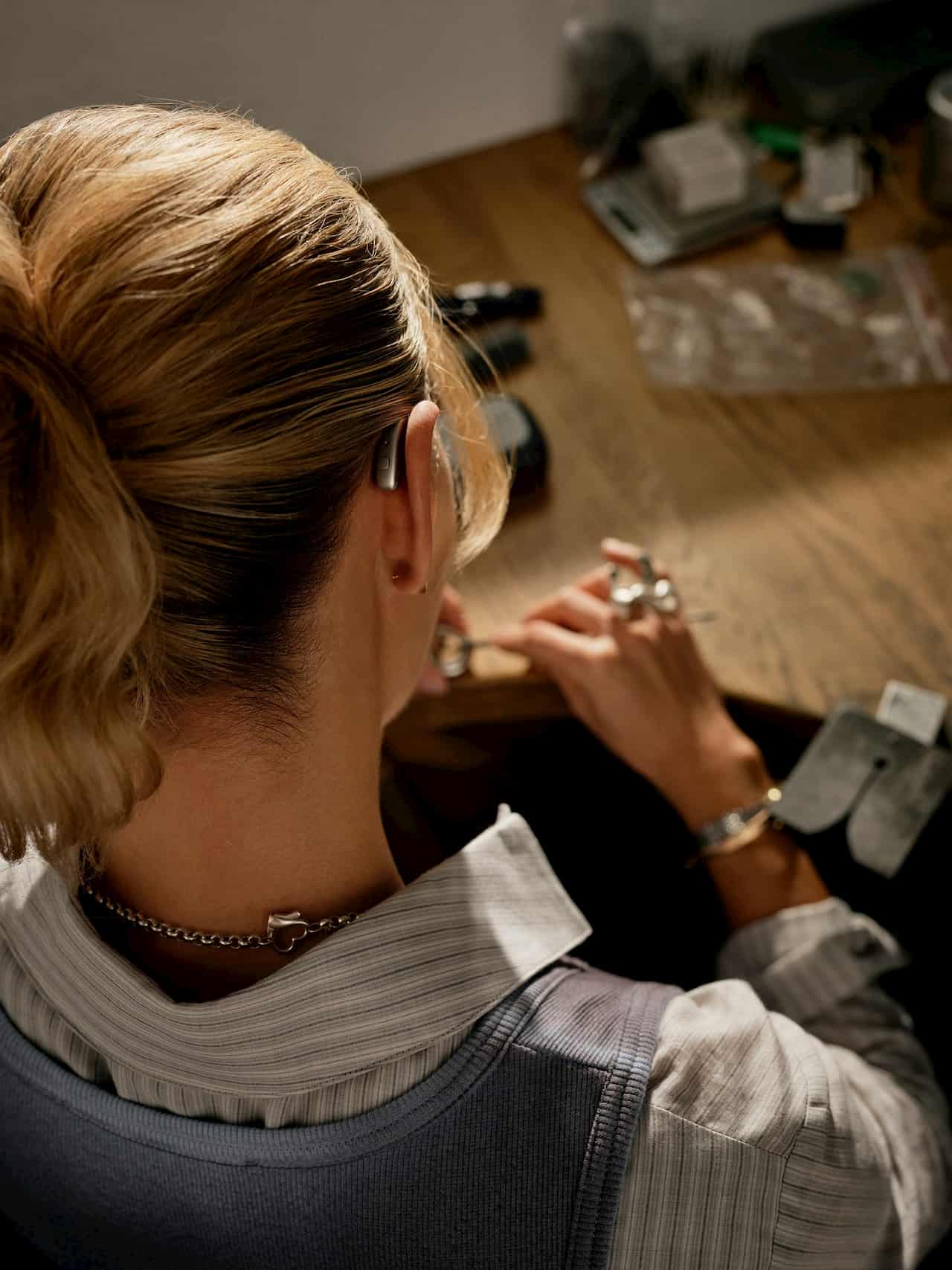
New research has uncovered what is considered a significant media blind spot: the visibility of people with hearing aids.
According to a study, many people in the UK are unable to recall seeing anyone wearing a hearing device in mainstream content, including image libraries. The study, commissioned by GN to mark World Hearing Day, suggests that this lack of visibility is fueling stigma and that current media portrayals are often unrealistic.
According to YouGov research, 55% of UK respondents could not name a single instance from the past year in which someone wearing a hearing aid or cochlear implant appeared in the media in a story not explicitly related to hearing loss.

A further 79% of those living with hearing loss in the UK believe the media frequently gets key aspects of their lives wrong, often framing them as elderly, fragile, or dependent.
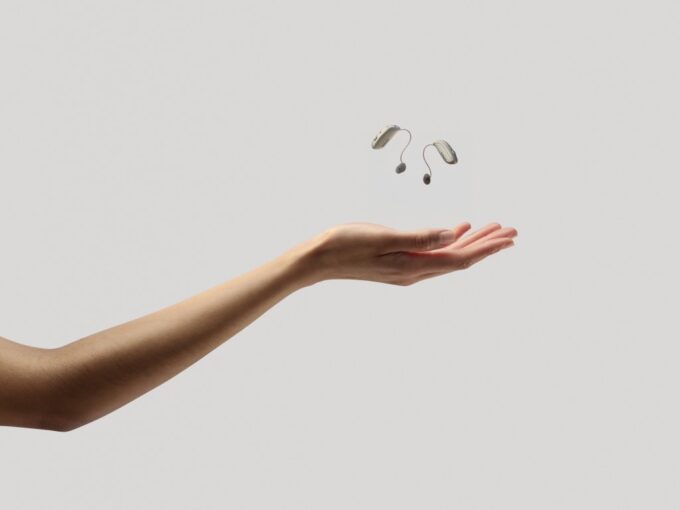
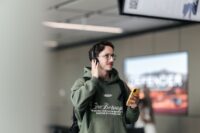
To address these concerns, GN has launched New Norm vol. 2, a free global library of authentic images featuring real people aged 20 to 60 living with hearing loss.
The collection, which includes over 90 pictures and moving stills, is designed to help newsrooms, brands, and creators move away from staged studio shots and outdated stereotypes.
Laurel Christensen, Chief Audiology Officer at GN, said: “This ‘media invisibility’ and unrealistic portrayal highlighted by our YouGov research can negatively impact the mental health of people living with hearing loss and deter others from seeking help when they notice early signs of hearing loss.
“GN wants to challenge the outdated misconceptions of hearing aids and living with hearing loss, fostering an environment where wearing hearing aids is seen as a symbol of empowerment in daily life, and our New Norm image library gives newsrooms, brands and creators practical assets to change it.”
Roughly a quarter of Brits with hearing loss say depictions of people with hearing devices are rarely or not at all relatable, and only around one in ten say they very often see relatable portrayals. This relatability gap matters, as many believe representation shapes behaviour. 42% say the lack of everyday media representation makes it harder for people to recognise hearing loss or seek help. A vast majority of those with hearing loss in the UK (79%) say the media gets key aspects of their lives wrong, such as framing people with hearing loss as elderly, fragile or dependent.
Claire Benton, President of the British Academy of Audiology, noted that inclusive representation is essential for empowering individuals to seek support and access care.
“Representation matters in hearing healthcare,” she said.
“When people see themselves reflected, it builds trust, reduces stigma, and empowers them to seek support for their hearing.
“At the British Academy of Audiology, we believe inclusive representation is essential so everyone feels seen, understood, and confident to access care.”
How do I access the New Norm image library?
The New Norm vol. 2 image library is available globally for free use by media, academia, and non-profit organisations. The collection aims to provide contemporary and positive representations of hearing aids in daily life.
The full library, along with usage guidance and alt-text examples, can be accessed and downloaded at https://unsplash.com/@gnhearingglobal.

Aurahear in your inbox!









Leave a comment