

Auracast is not just a small upgrade to the Bluetooth we have used for decades; it is a fundamental shift in how we share and consume audio.
It’s clearer, it’s more direct, and it’s available for all kinds of devices, meaning this is an assistive listening technology that goes beyond helping the hearing-impaired/Deaf community.
It will replace the Telecoil/Loop in hearing aids and in venues, and is a more versatile solution with better sound quality.

Auracast moves away from one-to-one Bluetooth connections
For years, Bluetooth has been a one-to-one technology: you paired your headphones or hearing aids to your smartphone, laptop or television, and that was it: the end of the connection.
Auracast breaks this barrier by introducing one-to-many broadcasting.
Think of the transmitting device (which can be a mobile phone, a computer, a television, a Tannoy, or an AV desk) as a miniature radio transmitter that anyone who logs in can pick up.
Just as a Wi-Fi router broadcasts a signal that anyone with the password can join, an Auracast transmitter broadcasts an audio stream that an unlimited number of people can tune in to simultaneously. That transmission can be password-protected, so only those who know the code can pick it up.
Technically, Auracast is a specific feature of Bluetooth LE Audio (the LE stands for Low Energy Audio).
It uses a new codec called LC3, which provides significantly higher sound quality than the old “Classic” Bluetooth, but at a much lower bit rate. This means your listening devices use less battery power while delivering audio that sounds richer and more natural.
Because it operates on the Low Energy radio, it allows for “broadcast” mode, where the transmitter doesn’t need to “talk back” to every single pair of headphones. It simply broadcasts the data, and your device picks it up.
Classic Bluetooth devices that connect to hearing aids need a bridging device: the sound goes from the transmitter to the bridging device, then the hearing aids. Auracast removes this step.
Auracast will work in every corner of our connected lives
The implications for the average user are massive.
Imagine sitting in a busy airport lounge where five different TVs are showing news, sports, and weather, all on mute.
With an Auracast-enabled device, you can simply open an app or your phone settings, see a list of the available transmissions, and join the one you want to hear.
Suddenly, the silent TV in front of you is streaming crystal-clear audio directly into your earbuds, hearing aids, headphones, or Cochlear. And only those with Auracast-enabled devices can hear the sound – the ultimate silent disco.
Alternatively, you are at a conference, where you speak English and the presenter is German. Press a button and you hear an instant translation in your language … in crystal clear clarity.
There are other uses: theatres are installing it for plays, cinemas for films, stadiums for sports commentary and updates, lecture halls for their talks.
Teachers will be able to speak into small, portable Auracast-enabled microphones and students will be able to pick up the sound in their preferred listening device: bring your own devices is important for this technology.
Auracast isn’t just for the deaf/hard-of-hearing
It works incredibly well: Auracast isn’t just for people with hearing loss as it is designed for everyone. It’s a universal “quality of life” upgrade for anyone who uses wireless audio.
Beyond public spaces, Auracast creates a social audio world, enabling you to share your music or a movie with friends sitting next to you on a plane, each using their own preferred headphones, all synced to the millisecond. It eliminates the need for “headphone splitters” or sharing earbuds.
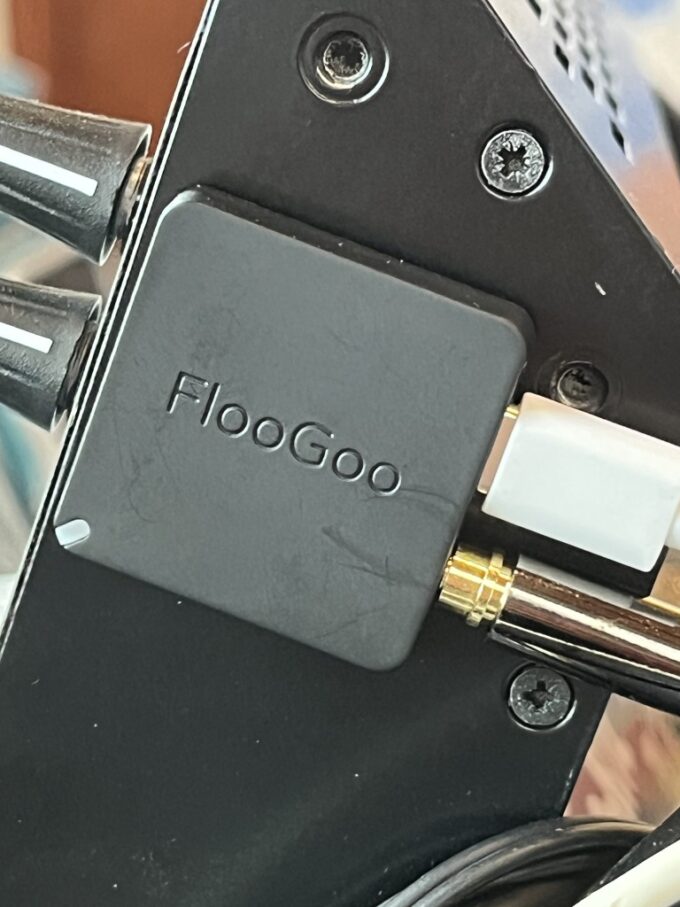
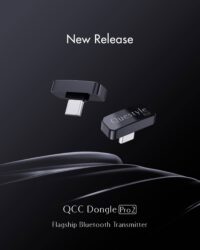
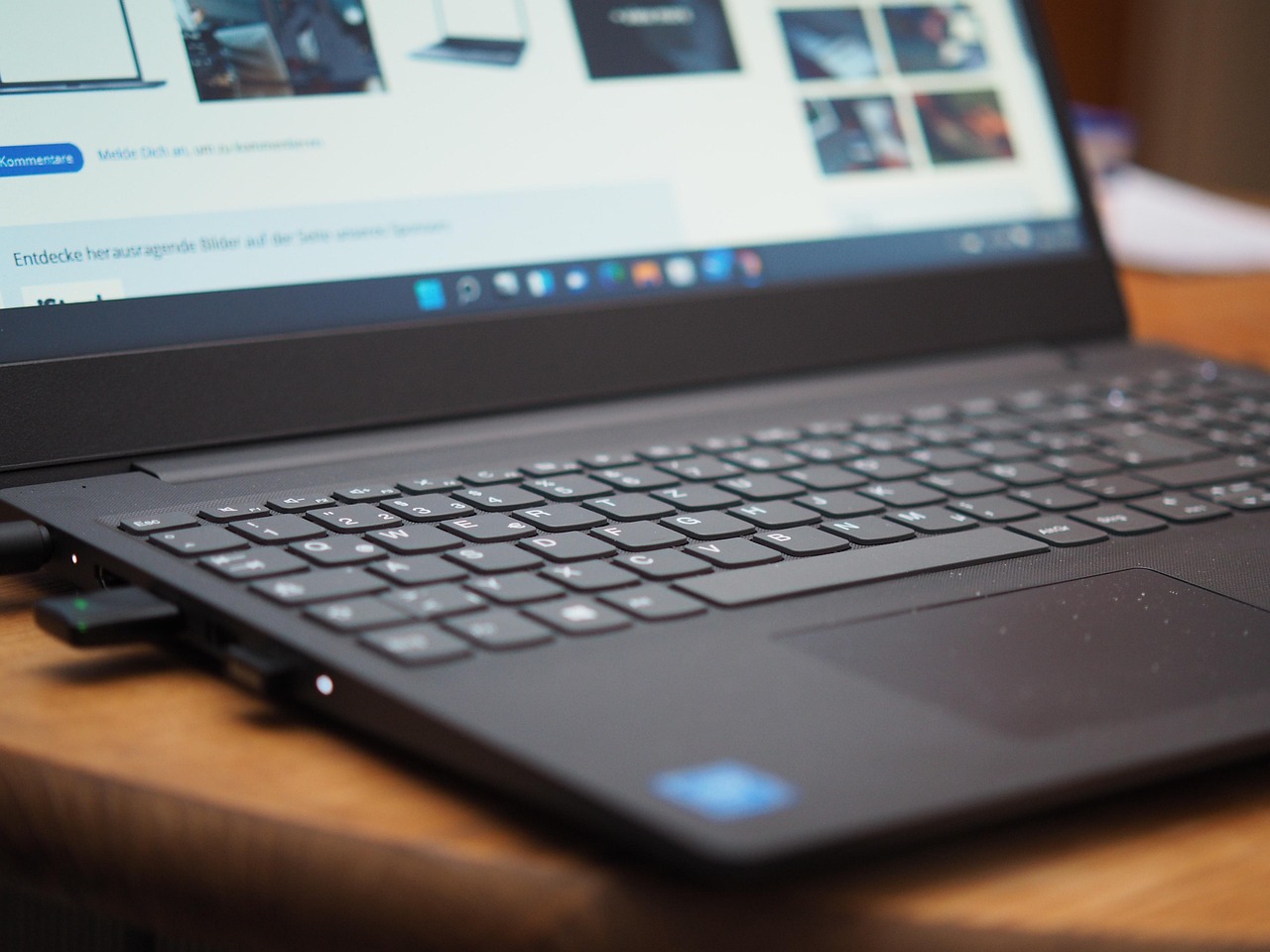
And Auracast can be built into home devices, such as televisions, radios, mobile phones, and laptops. Alternatively, Auracast transmitters can be plugged into these devices to enable Auracast-functionality. Prices can be low, making Auracast accessible for all.
Best of all, users are no longer limited to a manufacturers ecosystem. They can choose the Auracast devices that work best for them, in terms of features and price range. This in itself is revolutionary.
This is one of the most significant innovations in recent years: for hearing aid users, probably since the advent of digital hearing aids. An Auracast future is an exciting one.
NEXT: What to look out for when buying an Auracast device
LINK: Bluetooth has some great webpages that explain more about Auracast https://www.bluetooth.com/auracast/

Aurahear in your inbox!












Leave a comment