


As hearing technology evolves, manufacturers are embracing new ways to make sound clearer, more accessible, and more connected than ever before. For Cochlear, one of the world’s leading hearing implant companies, that next step is the introduction of Auracast. This Bluetooth Low Energy (LE) Audio standard enables devices to receive live audio directly from public venues, smartphones, and assistive systems.
Already available with the company’s Baha 7 Sound Processor, Auracast lets users connect to audio streams in places such as train stations, airports, classrooms, or theatres without requiring additional accessories.
Cochlear’s latest cochlear implant sound processors, the Nucleus 8 and Kanso 3, are already built to support these exciting features. A future firmware update will unlock these capabilities, ensuring the device is ready when it becomes available.

Joanne Neai, Professional Marketing Manager for Acoustics at Cochlear, said: “Auracast feels like a significant step forward for assistive listening. It also makes me proud that Cochlear’s products are playing their part in creating a more inclusive, user-friendly experience.”
Cochlear uses two key terms to describe Auracast compatibility: “enabled” and “ready”. An Auracast-enabled device, like the Baha 7 Sound Processor, has the full capability and functionality available for use with an Auracast Assistant, for example, an Auracast-enabled mobile phone.
A Baha 7 Sound Processor recipient can pair their device with an Auracast Assistant to connect to the Auracast broadcast. By contrast, an Auracast-ready product has the hardware capability but requires a firmware update to enable the functionality.
Everyone wants their tech to work smoothly and their connections to stay strong – because staying connected should be effortless.
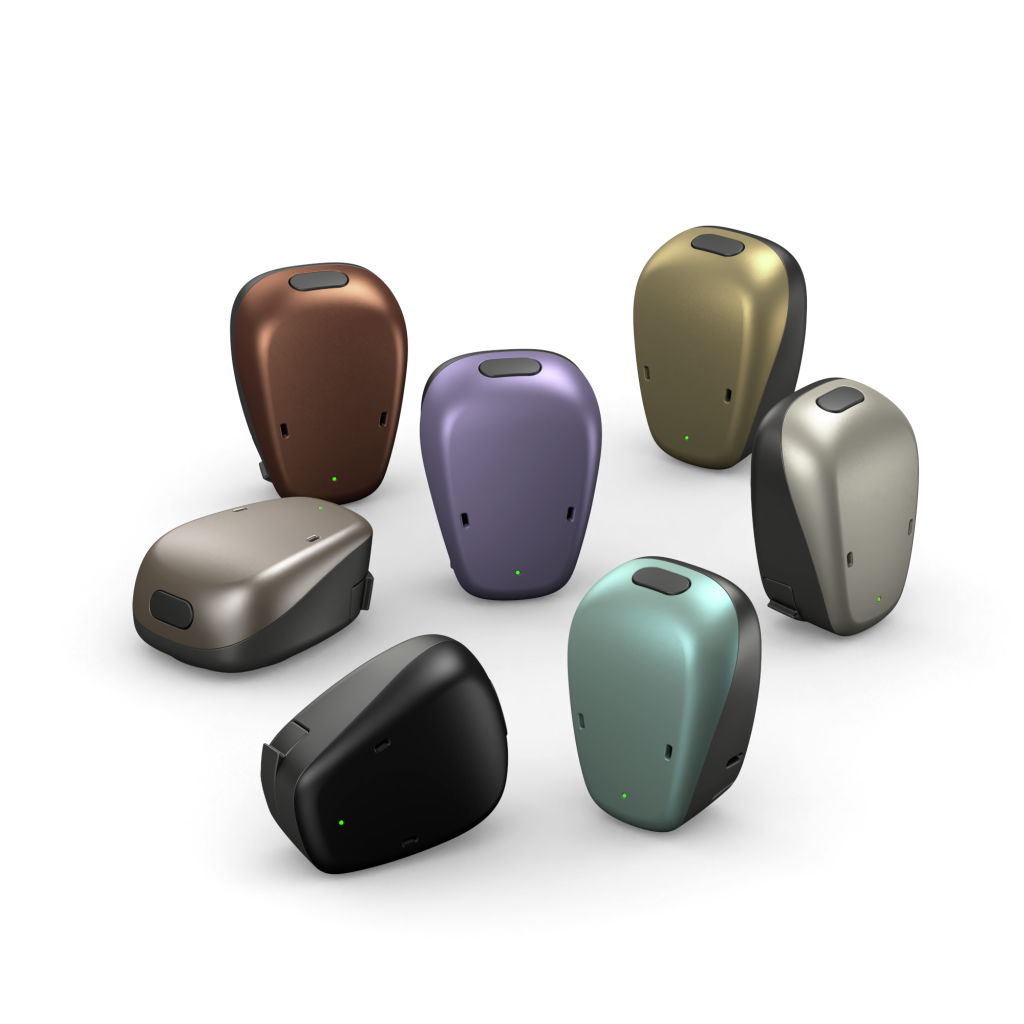
At the recent trial of the Ampetronic Auri system at Bristol Temple Meads railway station, Cochlear tested the Baha 7 Sound Processor’s Auracast capabilities. In doing so, they could hear the station announcements streamed directly to their devices.
Joanne says: “Even as a person who can hear without the need of a hearing device, I felt that the Auracast sound was much better. When you’re in a train station and you’re hearing the broadcast public announcement, the sound seems very far away, but when you have an Auracast device directly streaming audio to your ears, it feels like the announcement is just right next to you, and it can be heard clearly.”
During the trial, one key area for improvement was identified and shared with the Ampetronic team: “Most people nowadays are listening to music or a podcast, particularly in a station where they are waiting for their train,” Joanne says. “To enhance adoption and user experience, the development of an Auracast feature that seamlessly integrates with personal audio should be considered.
“This would enable users to pause their current content and switch to the station’s broadcast effortlessly.
“This functionality would address a key gap in the current solution and make Auracast more intuitive and user-friendly.”
Given that radio stations use Radio Data System (RDS) technology to enable users to tune in to traffic announcements, there may be a similar solution to this problem.
A cochlear implant is a different hearing technology from hearing aids, and is growing increasingly common. There are some well-known implant wearers, including Fury, aka Jodie Ounsley, from the BBC show Gladiators. Born deaf, she received her first implant when she was 14 months old.
Cochlear implants bypass the damaged parts of the ear and directly stimulate the hearing nerve.
Bone conduction hearing implants are typically recommended for individuals with mixed or conductive hearing loss, when conventional hearing aids are no longer effective.
Joanne explains that these implants work by transmitting sound vibrations through the bones of the skull to the cochlea.
Those who are exploring whether a hearing implant would be beneficial to them are called candidates, and they are supported ahead of any implantation.
“If they are considering a device, we put them in touch with our Cochlear volunteers who can provide reassurance, share personal experiences, and offer practical insights about what to expect. They also help address any concerns about the surgery and the overall process,” Joanne explains.
“Hearing from recipients does help give confidence to someone who is potentially planning to receive a hearing implant.”
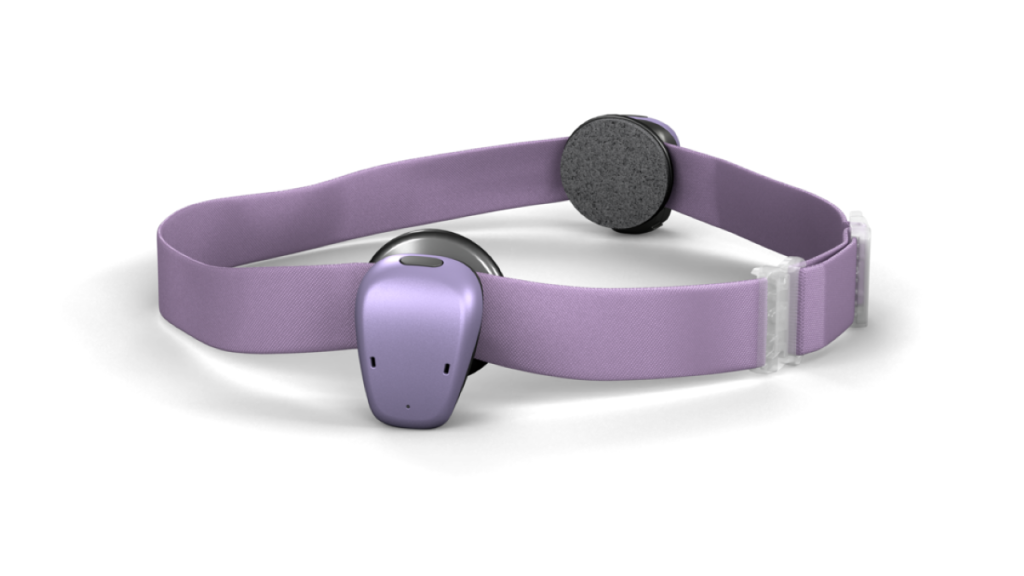
They also ensure that candidates receive a bone-conduction sound processor paired with a headband (SoundBand or SoundArc) to wear for at least two weeks, allowing them to trial the technology before a full implant is installed.
“It does the whole sound/vibration transmission; the candidate can hear the sound and test it to see if it benefits their hearing loss,” Joanne explains, saying they then make a return visit to their audiologist to give feedback and, if successful, start the process of getting the implant.
“The implant procedure is really quick – within half-an-hour to an hour,” she continues. “There are different types of implants, with some embedded just under the skin, and the other is like having a screw sitting on your skull, and the device then attached to the screw. It’s a bit like having a button on your head. The sound processor then just clips on to the button.”
Joanne confirms that the Baha 7 Sound Processor is available through the NHS, subject to the patient meeting the required criteria for receiving a bone conduction hearing implant.
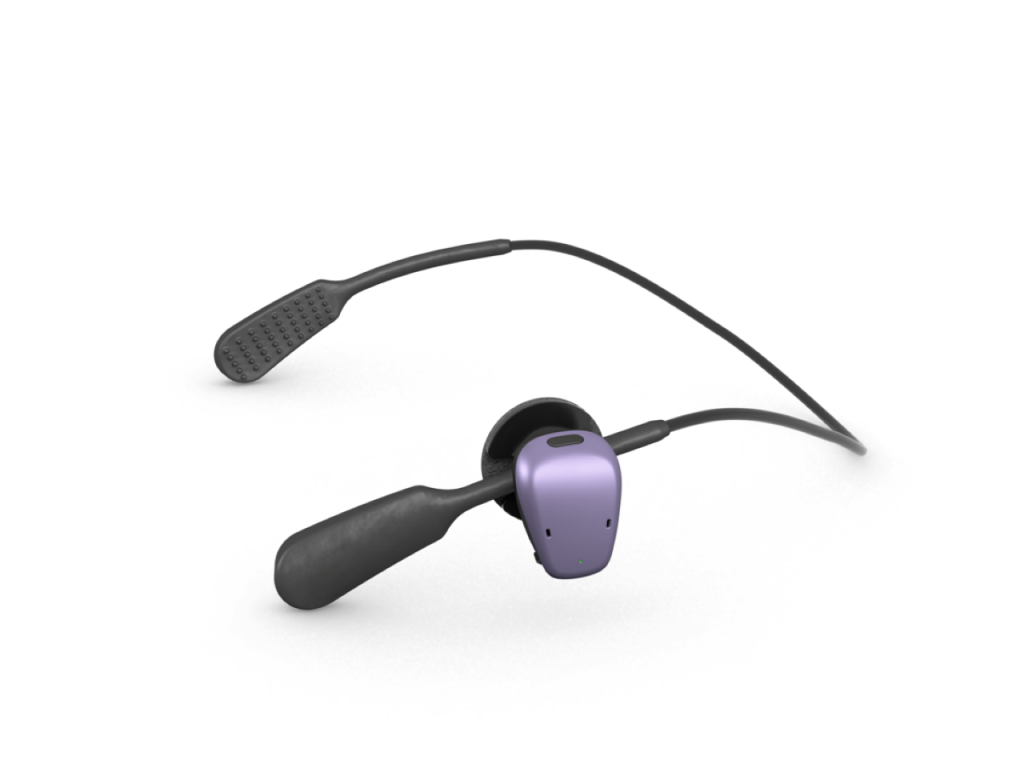
The commitment to Auracast highlights Cochlear’s forward-looking approach.
“We are thrilled that the Baha 7 Sound Processor, the first in bone conduction to offer Bluetooth LE Audio with Auracast broadcast audio, has just launched. Though Bluetooth LE Audio is an emerging technology, it is now the new global standard for Bluetooth, and adoption is expected to accelerate due to the significant improvements it offers over legacy Bluetooth,” Joanne says.
“As more patients begin using the Baha 7 Sound Processor alongside Auracast-enabled phones, such as Samsung devices, and visit public spaces equipped with Auracast technology, they will experience its full benefits. While there are a few steps to get there, this is typical for new innovations, and we are confident Auracast will deliver meaningful advantages as it becomes more widely available.”
For more on Cochlear and its range of hearing devices, log on to: https://www.cochlear.com/

Aurahear in your inbox!













Great analysis.
When companies like Cochlear move toward Auracast support, it signals that broadcast audio is becoming part of the mainstream ecosystem — not just an experimental feature.
The real opportunity now is making sure environments (homes, venues, transport, clinics) are ready to support it.
At Avantree, we’re focused on helping bridge that gap on the infrastructure side.