

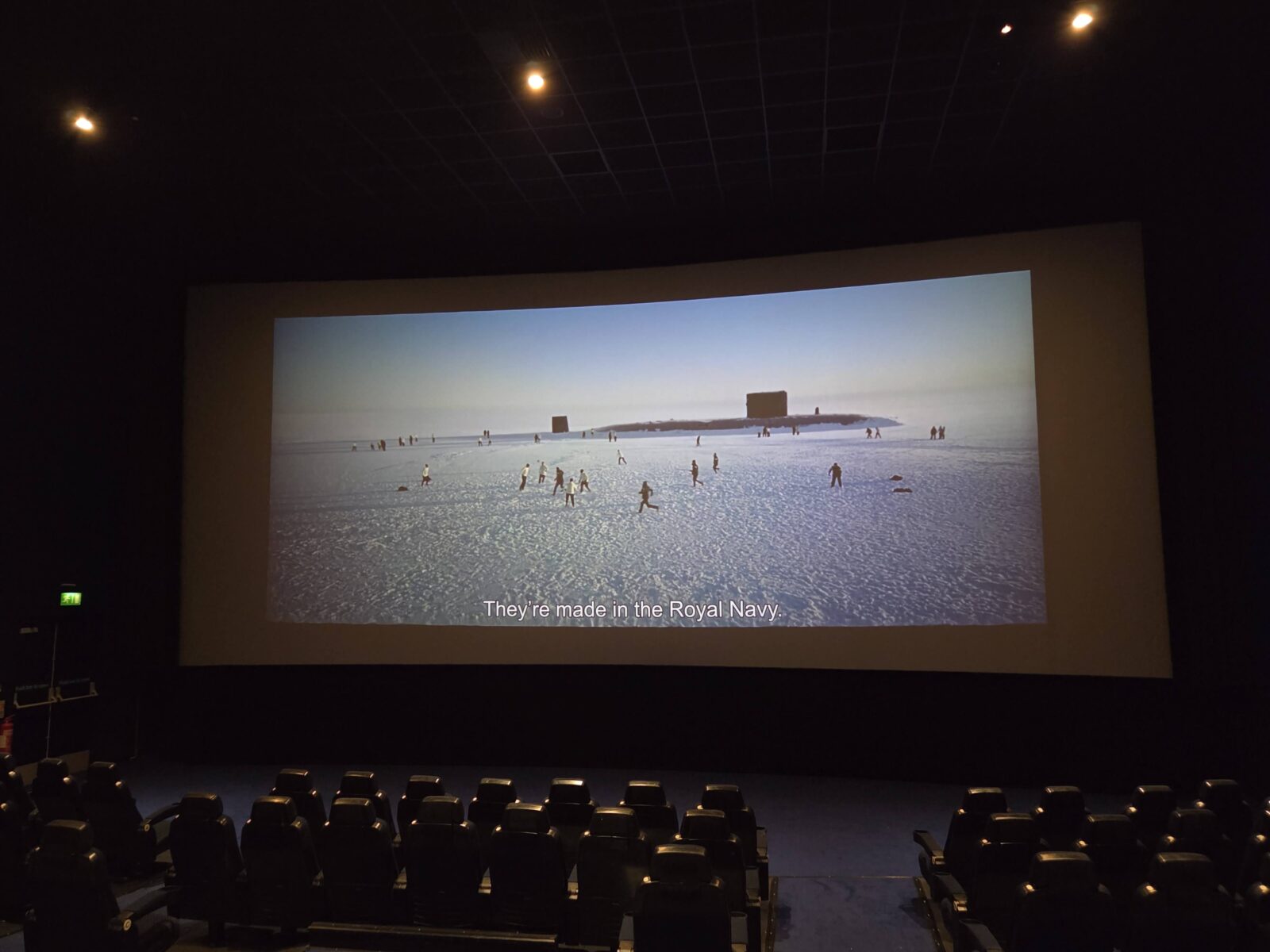
Why you should install Auracast in Cinemas
The Future of Personal Soundtracks and Descriptive Narration
Cinemas (movie theaters) are perfect places for an Auracast installation.
They have long been at the forefront of audio innovation: originally, in the days of silent movies, an organist would entertain. Then came the talkies, Dolby surround sound and now every rumble, cough and spit can be heard, often loud but for those with hearing impediments not clear.

And there can also be a lot of ambient noise from popcorn being scoffed, drinks slurped, phones going off (they really shouldn’t), and people talking (rude).
Traditional assistive listening in movie theatres has often felt like an afterthought, if they exist at all.
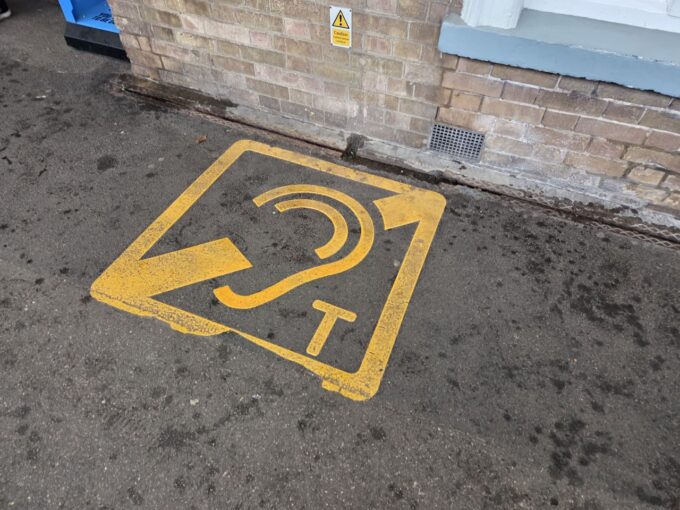
Very few venues have Telecoils installed, while Infrared (IR) headsets are bulky and require a strict “line-of-sight” to the transmitter, meaning a simple tilt of the head or a scarf falling over the receiver can result in a blast of static, a crucial plot point missed and a miserable experience.
Some films can be subtitled, and in the UK, the website YourLocalCinema.com highlights which movies have captions. It is a great resource as you can search by postcode and by film. Unfortunately, the website shows that the majority of subtitled films are shown at odd times: a 2pm on a Sunday, a 4.50pm on a Thursday, or a 10.30am on a Friday. That’s not always convenient for those who hold a nine-to-five job.
Auracast can change that, especially in multiplexes where several screens show a variety of movies. The cinematic experience can be revolutionised by moving the audio stream to the listener’s own device. And best of all, people can sit anywhere. Those on a date night can discreetly turn on their Auracast and snuggle up in the back row.
Cinemas can offer customers Auracast-Enabled auditoriums that share the movie’s audio, an audio description, and multilingual tracks as separate digital broadcasts: three streams, each tailored to help different audiences. Handy for, say, a Bollywood film where the movie can be dubbed into English.
For the visually impaired, the in-cinema experience is particularly transformative.
Traditionally, users had to check which films included Audio Description and whether they were limited to a certain number of showings. On arrival, they could request a specialised headset from the box office to hear Audio Description (AD).
With Auracast, the AD track can simply be another channel used for every film, at every screening. A patron can sit in their seat, open the Aurahear-recommended assistant app on their phone, and tune into the AD stream.
Because the audio is delivered with sub-40ms latency, it remains perfectly synced with the on-screen action and the theatre’s sound system.
A cinema in Japan recently showcased the Bettear system in its venues and we covered this here.
This “Bring Your Own Device” (BYOD) approach is also more hygienic, more reliable, and significantly reduces the stigma for the user.
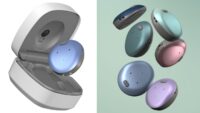
But venues can – and should – offer Auracast pebbles for people to borrow. These receivers offer backwards compatibility with Telecoils, or let people plug in their own 3.5mm cabled headphones.
From a technical perspective, cinema owners benefit from the massive range of professional transmitters. A single transmitter can cover multiple screens if positioned correctly, though most high-end installations use dedicated transmitters per hall to ensure channel clarity.
This technology also opens up new revenue streams: “Foreign Language Screenings” no longer require a separate time slot. A cinema can show a blockbuster in its original English while offering Spanish, French, or Hindi audio tracks via Auracast.
The cinema is no longer just about the big screen; it is about a personalised, high-fidelity audio environment for every ticket holder.
Who wants some popcorn and a hotdog?

Aurahear in your inbox!












Leave a comment