


The true power of Auracast lies in its ability to move assistive listening from a “specialised” space that served the few into a universal utility for everyone.
For decades, assistive listening was limited to those with the right equipment. Invented in the 1930s, the Hearing Loop required borrowing gadgets from a venue’s front desk or ensuring a hearing aid had a Telecoil in it. We at Aurahear.com have distant memories of a church in the late 1970s having a cabinet of ‘hearing sticks’ – about 30cm (a foot) in length, these grey batons had a headphone that could be placed against the ear, relaying the sound from the front.
Nowadays, the most common way to use a loop is to sit within a special area that a venue provides. If you are lucky, this is anywhere in the auditorium, but the reality is that it will be a penned area that can mark you out as ‘special’.

Auracast changes this: everyone in the room, whether they have 20/20 hearing or profound hearing loss, can use the same technology. All they need is Auracast-enabled listening devices, be it hearing aids, headphones, a Cochlear, or earbuds. With the aid of an Auracast Assistant app, people can log on and listen.
But there are more benefits to Auracast than just crystal-clear sound relayed directly to your ears.
First, its range is better. Not just against hearing loops, but against Classic Bluetooth. Older tech can only support one-to-one pairing at distances of around 10m. Auracast can reach an infinite number of people within a 100m radius. That’s a vast difference.
But there’s more to Auracast than that.
The right gadget allows for speech-to-text: so if you’re in a lecture, you can get an instant copy of what the lecturer said. And because it’s from an Auracast, it won’t pick up the background noise.
In a professional setting, the potential for instant translation is exciting.
Imagine attending a global conference where the keynote speaker is presenting in Japanese. Instead of wearing a bulky translation headset, you simply use your own comfortable earbuds and tune into the “English” or “French” Auracast stream provided by the venue.
This capability extends to tour groups in museums, where a guide can broadcast their voice directly to all the visitors in their party without having to shout or rely on wired “tour guide” kits that can be prone to interference.
We are also seeing the rise of “Social Audio” and the reimagining of the Silent Disco.
In the past, these events required specialised headphones that attendees had to borrow.
With Auracast, a DJ can broadcast multiple channels of high-quality audio directly to the smartphones and earbuds people already own. The same can happen with a group of friends on a train, all listening to the same playlist without disturbing fellow passengers.
This potential for “multi-stream” audio also applies to live sports; fans in a stadium could choose to listen to the home-team commentary, the away-team broadcast, or even the “referee’s mic,” all while watching the action live on the pitch.
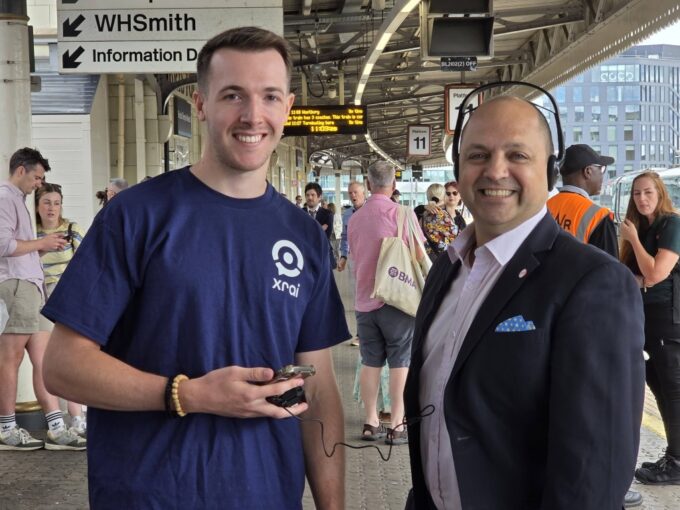
Auracast will be used in public venues such as theatres, places of worship and cinemas. It will be pressed into use at airports and railway stations, in new applications such as video doorbells, and at checkouts. It can also be used in venues such as courtrooms and bank counters, where password-protected Auracasts will ensure justice can be heard, but only by those who need to hear it.
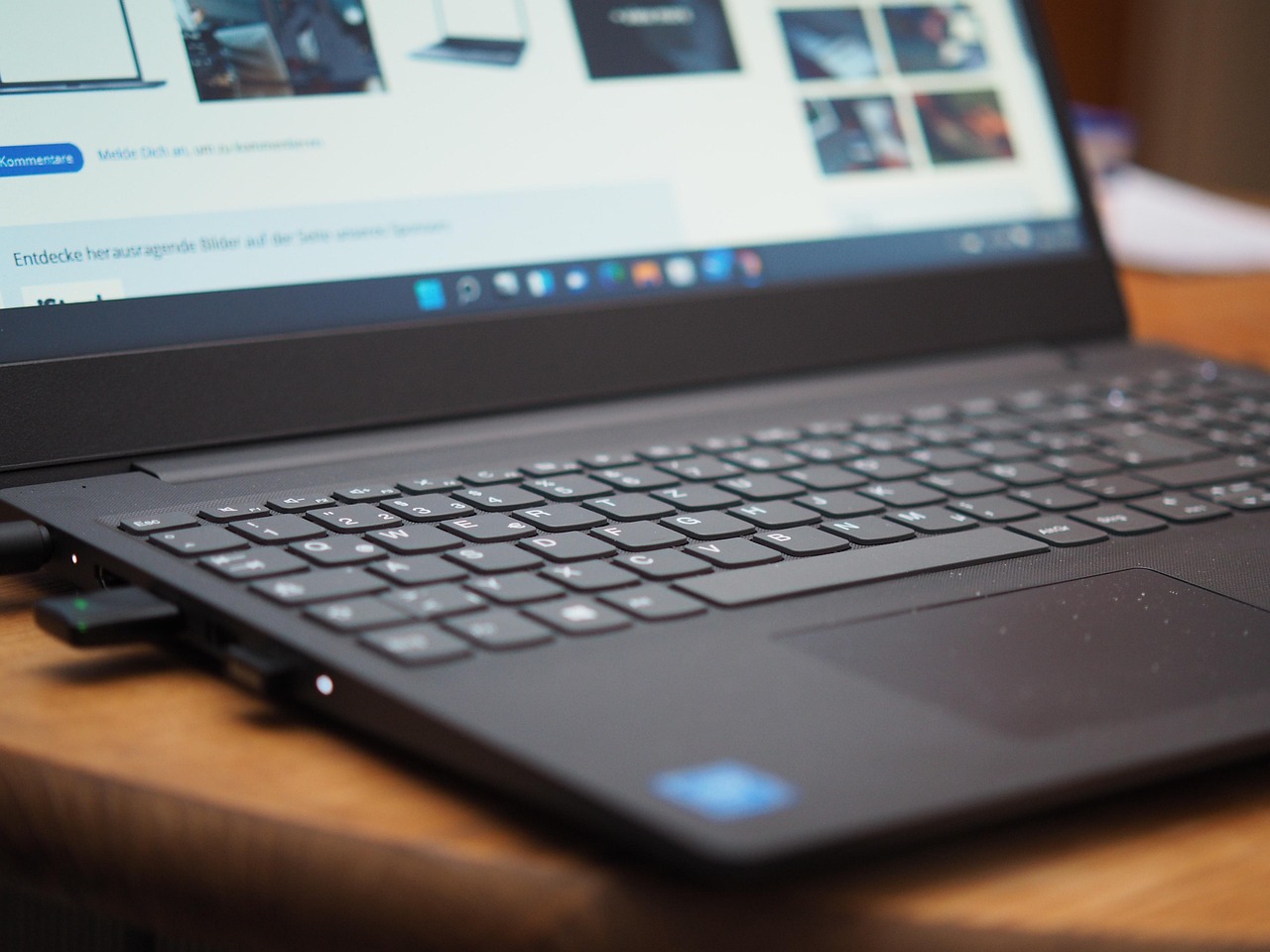
It will also be integrated into home gadgets such as televisions, laptops, sound systems, mobile phones, or radios.
And Auracast has massive potential for Public Safety.
In the event of an emergency in a shopping centre or train station, authorities could override public streams to broadcast clear, calm instructions directly to the ears of everyone in the vicinity.
By bypassing the echoes of traditional PA systems, these “emergency broadcasts” could be life-saving for those who struggle to hear in chaotic environments.
Auracast isn’t just a new way to listen to music: it’s a new layer of the digital world that makes information more direct, personal, and inclusive.
We’re excited about it, and hope you will be too.

Aurahear in your inbox!











Leave a comment