

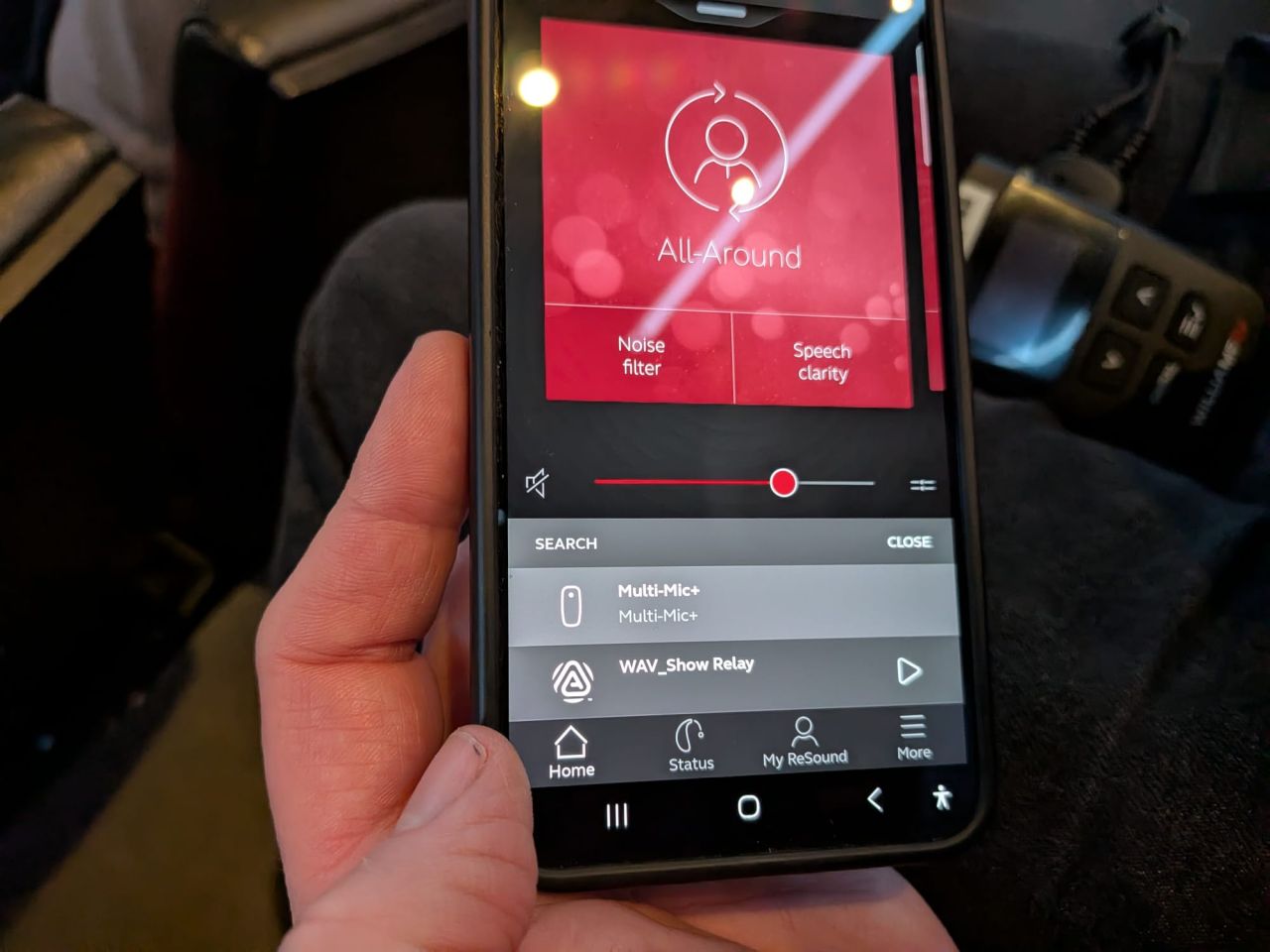
As we move through 2026, the question “Where can I use Auracast?” is being answered by a rapid global rollout.
Theatres are leading the way
The performing arts sector is seeing a quiet revolution: Traditional theatres and cinemas are beginning to offer Auracast as a digital alternative to the old infra-red (IR) or induction loop systems. Because the signal isn’t “line-of-sight” like IR, you can sit anywhere in the auditorium – even in the back row or behind a pillar – and still receive a high-fidelity, lag-free audio feed.
Among the first to install the technology is the Contact Theatre in Manchester and the Everyman Theatre in Cheltenham.

In February 2026, the National Theatre in London announced a trial in its Dorfman Theatre. If successful, it is expected to roll out to other parts of the theatre and will act as a calling card for other venues in the UK.
Auracast is also in a range of venues across the globe, including the Sydney Opera House in Australia and the Marriott Theatre in Chicago. We are aware of other venues in the process of installing Auracast over the coming months.
Auracast in public transport
Also among the most significant early adopters have been high-traffic transport hubs.
Frankfurt Airport made headlines in early 2026 as the first major international hub to implement Auracast across two gates (A16 and A17) in a three-month trial. This allows passengers to receive gate announcements directly to their earbuds. This helps solve the age-old problem of “distorted loudspeaker announcements” in noisy terminals.
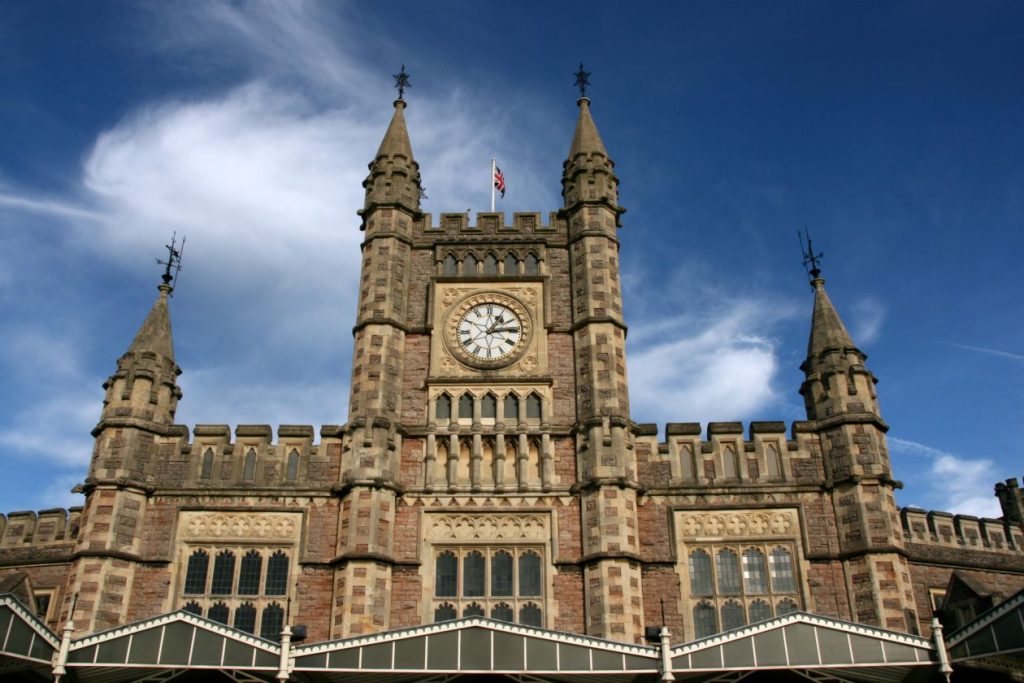
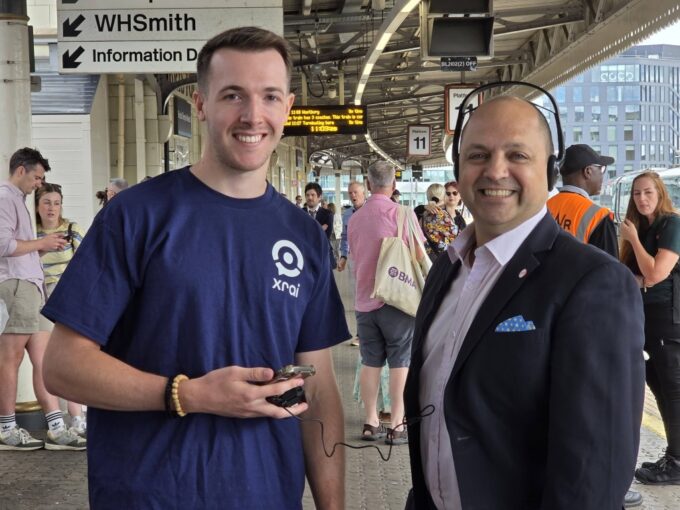
Trials have also taken place at Bristol Temple Meads railway station, where Auri transmitters have been installed, allowing passengers to get announcements while they walk through the station.
Auracast where you are
Beyond travel, you will also encounter Auracast in “Silent TV” environments.
Gyms and bars are replacing outdated FM-radio systems with Bluetooth LE Audio transmitters. In these venues, you no longer need to read subtitles on a muted screen; you simply scan the QR code on the TV bezel or search for the “Gym-TV-Channel-1” stream on your phone.
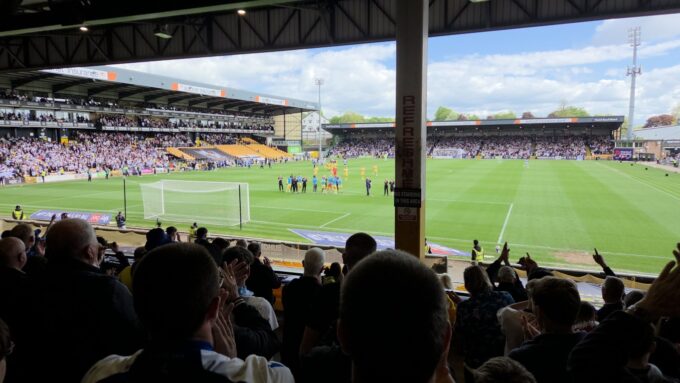
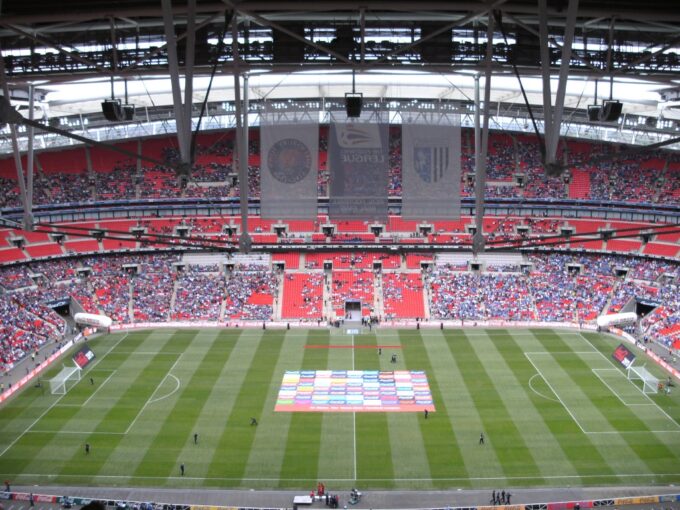
And sports stadiums are starting to switch on to Auracast. We’re aware of a rugby club in New Zealand that installed the technology as part of its recent rebuilding work, and a number of English football league clubs are working on installations.
There are also museums using Auracast. Venues can let patrons borrow receiver units with headphones or personal neckloops, allowing them to provide guided tours and information about specific exhibits.
Auracast in places of worship
Outside theatres, one of the biggest use cases for Auracast will likely be places of worship, such as churches. These venues may already have hearing loops installed in the building and members of the congregation already have a familiarity with assistive listening solutions.
As such, they are great spaces for installing Auracast.
Those who install professional-grade Auracast systems will purchase receiver units that can be borrowed, so there is a degree of backwards compatibility: those with Telecoils in their hearing aids will still be able to hear the service.
There are cheaper transmitters available, but not all of them include receiver units.
Auracast in your home
Hearing aid manufacturers create their own Auracast transmitters. For example, GN ReSound’s TV Streamer and MultiMic+ can plug into televisions and stereos to make their transmitters.
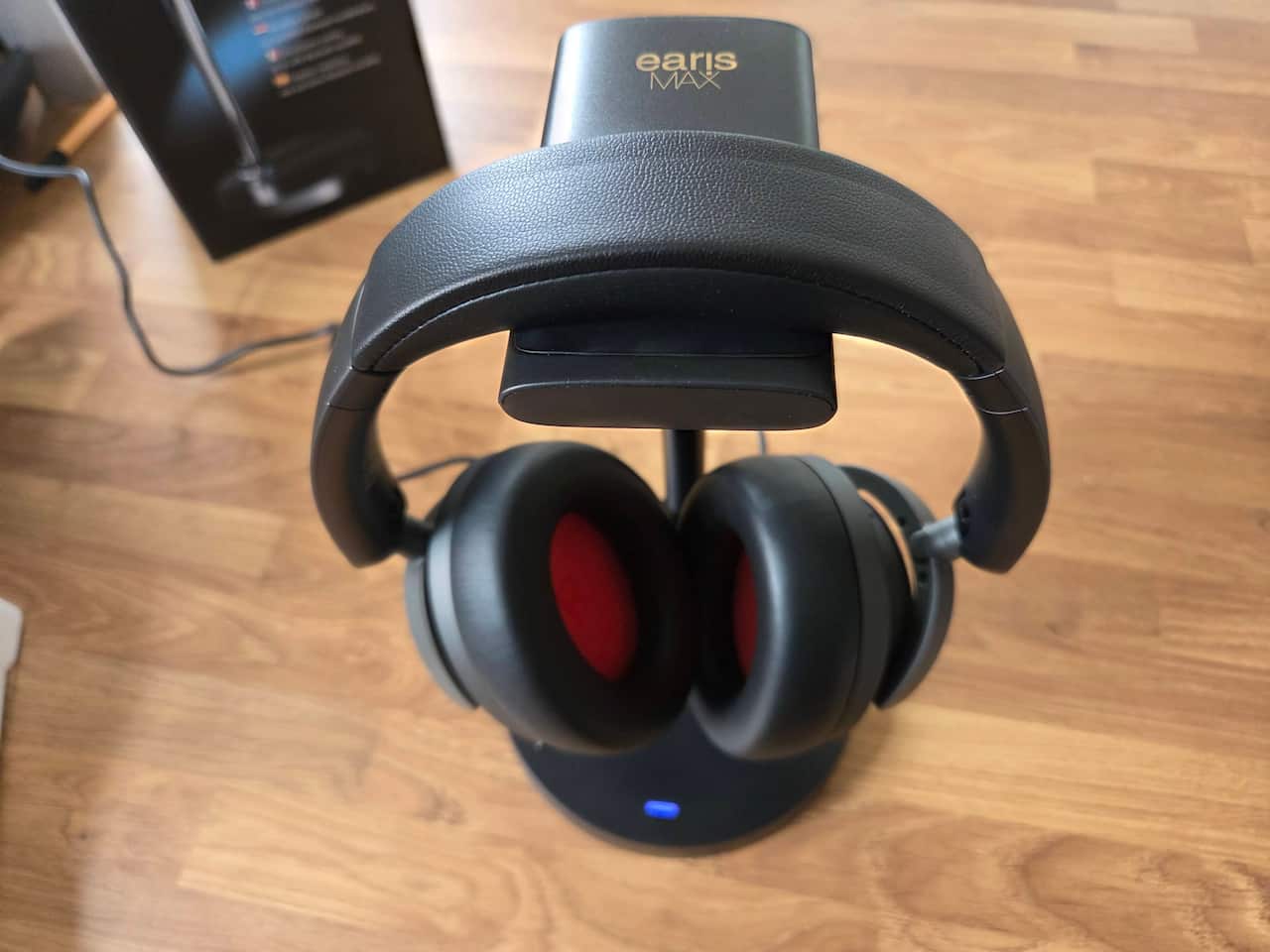
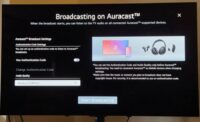
There are devices with built-in Auracast, such as LG and Samsung televisions. JBL and Sennheiser have Auracast-enabled speakers and headphones, and other manufacturers are coming on board every day.
Putting Auracast on the map
To find these locations, keep an eye on digital mapping services.
Google Maps and Apple Maps are beginning to integrate Assistive Listening Available icons into business profiles, similar to how they show Wheelchair Accessible or Wi-Fi.
How to Find Assistive Listening in Google Maps:
Search for a Venue: Open Google Maps on a smartphone or desktop and search for a specific location (e.g., a theatre, museum, or business).
Check “About” Section: Click on the venue’s listing, and scroll to find the “About” tab.
Review Accessibility: Scroll down to the Accessibility section. If a hearing loop is installed, it will be listed there.
Identify Technology: The app may display “Assistive hearing loop” or indicate support for newer technology like Auracast
A global database of Auracast installations, thanks to Bluetooth SIG
Additionally, the Bluetooth SIG maintains a global database of certified venues.
At the venue itself, look for the Auracast logo at the box office or information desk.
As the technology scales toward 2030, the goal is for Auracast to be as ubiquitous as public Wi-Fi – available in every stadium, house of worship, and lecture hall worldwide.

Aurahear in your inbox!








Leave a comment