

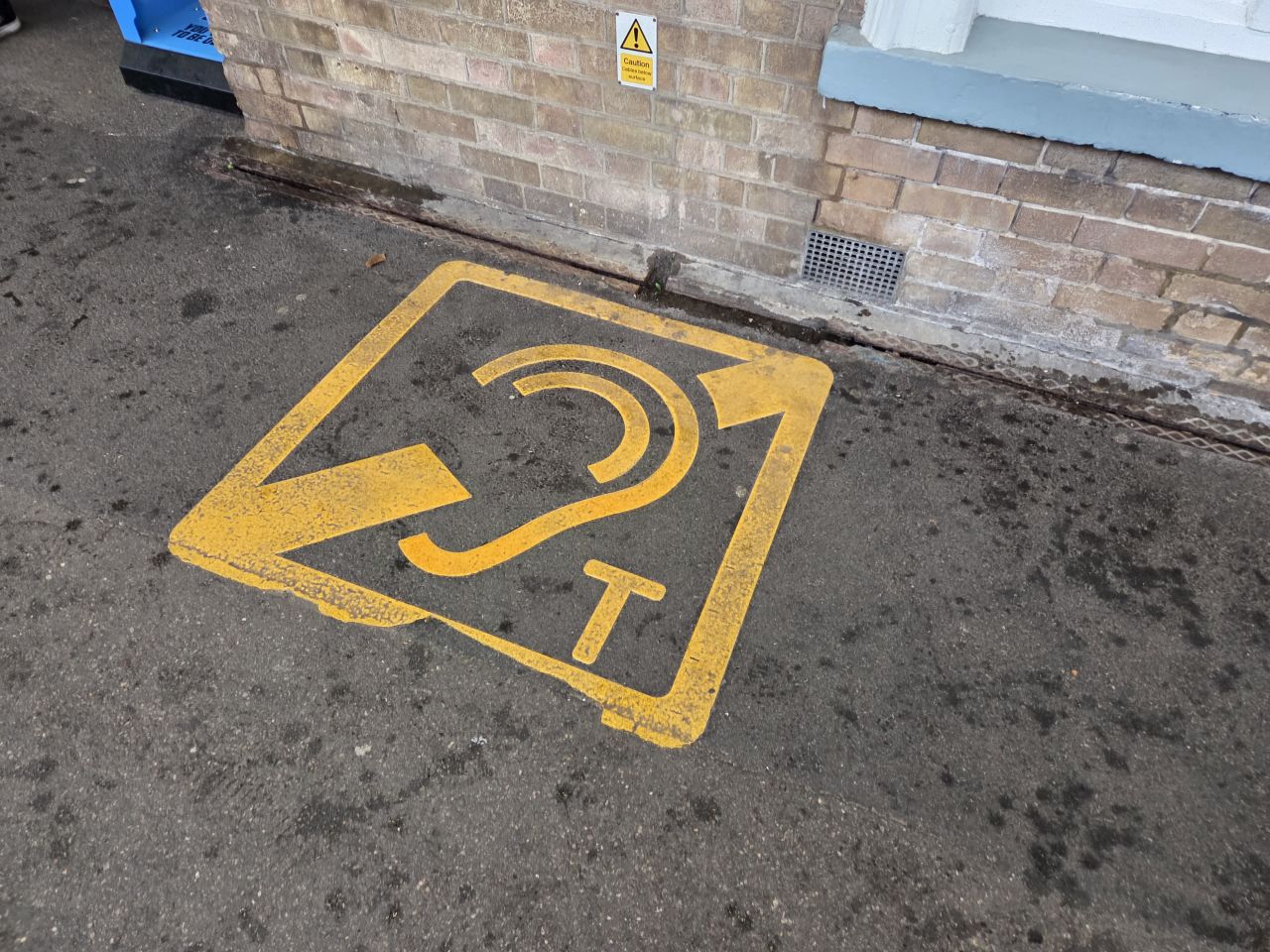
Experiences for people who rely on accessible listening technology such as Auracast, Telecoils and FM systems, are being shared online – and they make sobering reading.
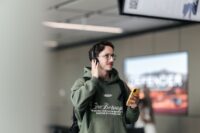
One of the reasons why Aurahear.com is so passionate about Auracast as a solution is that it’s easy to test: no special equipment is needed, just Auracast-enabled headphones. Put them on, and it is obvious if the Auracast is transmitting.
Venues with Telecoils don’t always have the right equipment for testing, or staff who are unsure as to how it works.

Now, ICAAT (the Industry-Consumer Alliance for Accessible Technology) is collating users experiences in short, pithy testimonials that lay bare the struggles that people who use assistive listening technology face every day.
ICAAT was developed as part of the Deaf/Hard of Hearing Technology Rehabilitation Engineering Research Center (DHH Tech RERC), a federally funded research initiative led by Gallaudet University’s Technology Access Program. It works in collaboration with The American Institutes for Research (AIR) and the Hearing Loss Association of America (HLAA).
Its User Stories page features testimonials from people with lived experiences.
Each is designed to be quick to read, taking about a minute, and detailing how the author uses technology to navigate the world around them.
“These real-world stories are a valuable and effective way for technology developers to understand consumers’ needs and begin the design process to create, develop, improve, and expand effective technology solutions,” the ICAAT website notes.
They also welcome submissions.
One user reports visiting a cinema and borrowing an assistive listening system from the front desk: “The staff said the system was working. As is typical, there was no way to verify this beforehand since no audio was playing. When the film started, my receiver was silent,” they wrote.
Another detailed how an AV had not been set up in the best possible way: “The system was present, and functioning. What was missing was consistent microphone practice and a way for speakers to know, in real time, whether their voice was being picked up effectively”.
A third detailed how they carry their own assistive listening devices with them to ensure they know they have tech that works, while a fourth shared their frustrations at a lack of universal solutions for subtitles/captioning on different television streaming services.
Another anonymous author notes how Bluetooth has helped: “I used to avoid phone calls on my cell phone because I could not reliably hear well enough to have confidence that I would understand the other person”.
Now with Auracast becoming more widely available, there are new opportunities for venues to check and test their assistive listening solutions, and indeed every step of their accessible journey.
To see the ICAAT testimonials, log on to: https://allianceforaccess.org/user-stories

Aurahear in your inbox!









Leave a comment