

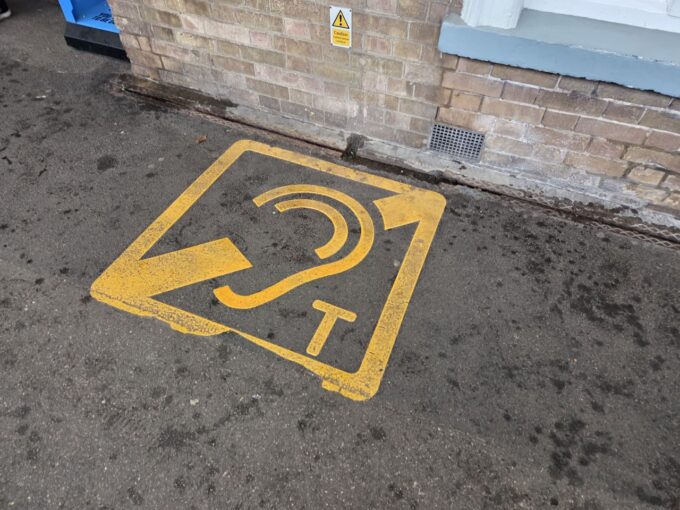
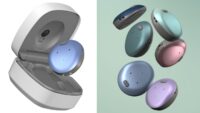
There is an expectation that Auracast will be mainstream by 2030, and many venues are making the leap to professional-grade setups right now. At the same time, others will have functioning Telecoils and not want to make the switch just yet, while also wanting to help patrons who have Auracast in their hearing aids but not a Telecoil.
If this is your venue, we wholeheartedly recommend ensuring the loop is maintained, serviced, and kept in use until the installation of a professional-grade Auracast system that offers backwards compatibility with Telecoils. At the same time, adding a low-cost Auracaster ensures that a forward-looking company can support those who already have the technology.
Thankfully, there are solutions that can be used in a range of settings without breaking the bank: For many smaller establishments – community centres, village halls, boutique cafes, and independent gyms – the prospect of installing a professional assistive listening system often feels financially out of reach.

In the past, “looping” a room could cost thousands of pounds in specialist labour and materials: something that would be a prohibitive cost for many smaller venues.
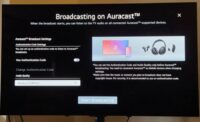
As we move through 2026, the arrival of budget-friendly Auracast hardware has completely changed the landscape. It is possible to kit out a small venue with an Auracaster that costs little more than $50 – and they can plug into AV desks.
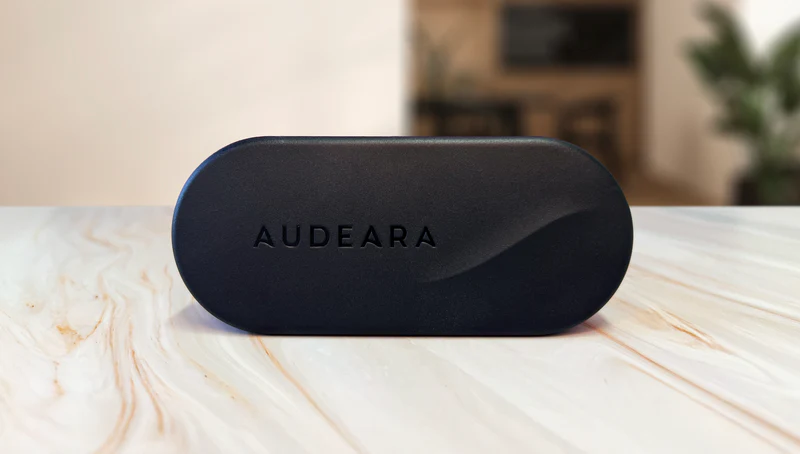
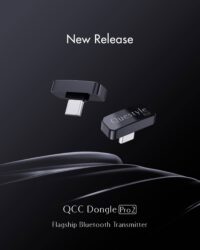
Systems like the Avantree AuraPlex (starting from under £300) have democratised audio accessibility, allowing small business owners to provide high-quality sound for the price of a mid-range television, while Audeara, ReSound, and EarisMAX offer transmitters that can be easily plugged into the back of a television or sound desk to create simple Auracast solutions.
The beauty of low-cost Auracast solutions lies in their “plug-and-play” simplicity.
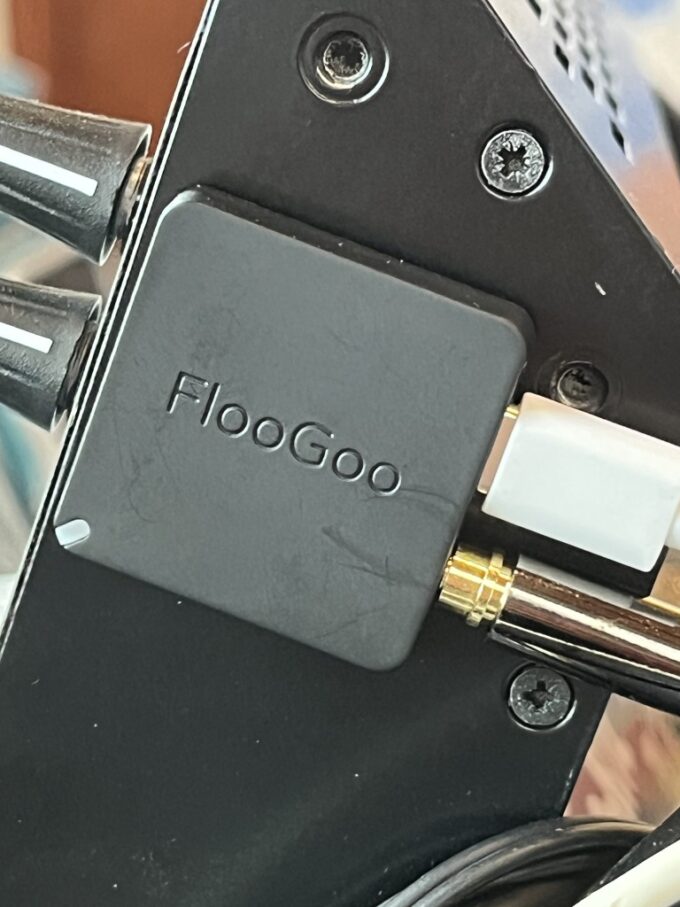
Unlike traditional induction loops, which require lifting floorboards or running copper tape around the perimeter of a room, a compact Auracast transmitter (like the FlooGoo FMA120 or the Avantree AuraPlex transmitter) is often no larger than a deck of cards.
These devices connect directly to the existing TOSLINK, Audio Out or Aux ports on a TV, mixing desk, or laptop.
Once powered via USB-C – either a charging block or a mains socket – they begin broadcasting immediately.
For a small community hall, this means that within less than 15 minutes, the venue can deliver 100-meter-radius digital, crystal-clear audio to any visitor – as long as they have compatible hearing aids or earbuds.
Crucially, these low-cost systems are scalable.
A small café might start with a single transmitter behind the counter to help patrons hear the barista. As they grow, they can add more transmitters for different zones – perhaps one for a quiet reading corner and another for a live acoustic set – without needing to rewire the building.
It’s also possible to go in a different direction and buy desktop Auracasters such as those produced by Opus, or handheld microphones that Auracast.
For venues concerned about legal compliance with the Equality Act 2010, even these entry-level systems provide a valid “reasonable adjustment” but most do not offer backwards compatibility with Telecoil systems: it is Auracast or nothing.
To ensure full inclusivity, small venues can supplement their transmitter with a handful of “bridge” receivers (like the AuraClip) to lend to visitors with older, non-Bluetooth hearing aids.

Aurahear in your inbox!










Leave a comment